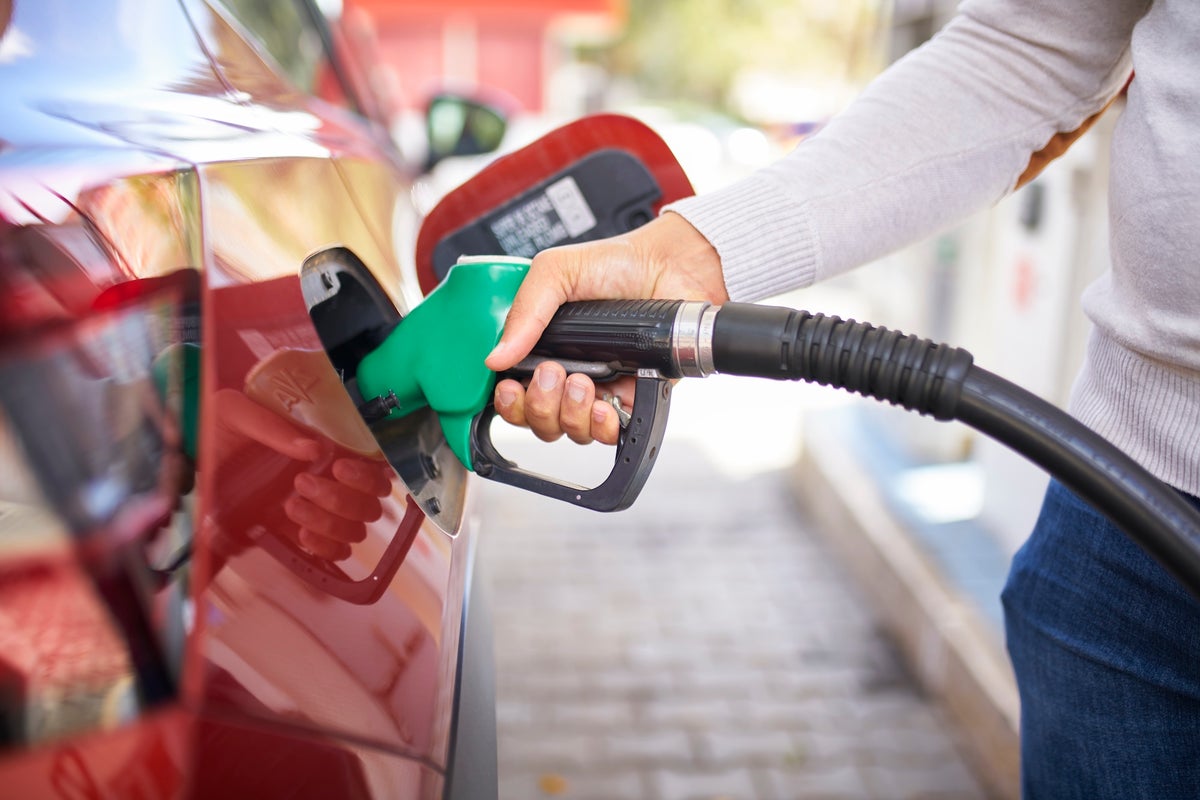
Rising oil and gas prices tied to conflict in Iran have increased fuel costs for drivers, especially during the Memorial Day weekend. In March, the EPA head announced a waiver to allow selling E15 gasoline, which contains 15% ethanol, during summer months. The waiver began May 1 and was initially planned for 20 days, with signals that it may be extended through summer to expand fuel supply and consumer options. The House passed a bill on May 13 to make year-round E15 sales permanent. If the Senate passes the bill, it could increase summer air pollution. Ethanol is blended with gasoline because it contains more oxygen than gasoline, which can reduce carbon monoxide and nitrogen oxide emissions from tailpipes compared with gasoline.
"With the conflict in Iran strangling oil and gas supplies, prices at the pump have been rising. The economic pain may be acute as many hit the road over the Memorial Day weekend. In one move meant to lower fuel costs for drivers, Environmental Protection Agency head Lee Zeldin announced in March that he would grant a waiver to the ban of selling so-called E15 gasoline, which contains 15 percent ethanol, during the summer."
"The waiver went into effect on May 1 and was initially intended to last for 20 days, but Zeldin has signaled he will likely extend it through the summer to increase fuel supply and consumer choice. The EPA has issued short-term waviers in response to summer gas prices before, but, in a shift from previous years, the House of Representatives passed a bill on May 13 to make year-round sales of E15 permanent."
"If that bill passes the Senate, though, it could also boost summer air pollution. Here's what to know about the change. Why is ethanol mixed with gasoline? Most gasoline sold year-round in the U.S. contains 10 percent ethanol, a fuel made from fermented biomassusually corninstead of petroleum."
"The use of ethanol in fuels dates back to the Clean Air Act Amendments of 1990 and the subsequent U.S. Renewable Fuel Standard, which was established by the Energy Policy Act of 2005. Ethanol contains more oxygen than gasoline, which means ethanol blends release fewer toxic carbon monoxide emissions from tailpipes. Ethanol also releases fewer nitrogen oxidesanother set of tailpipe pollutantscompared with gasoline."
Read at www.scientificamerican.com
Unable to calculate read time
Collection
[
|
...
]