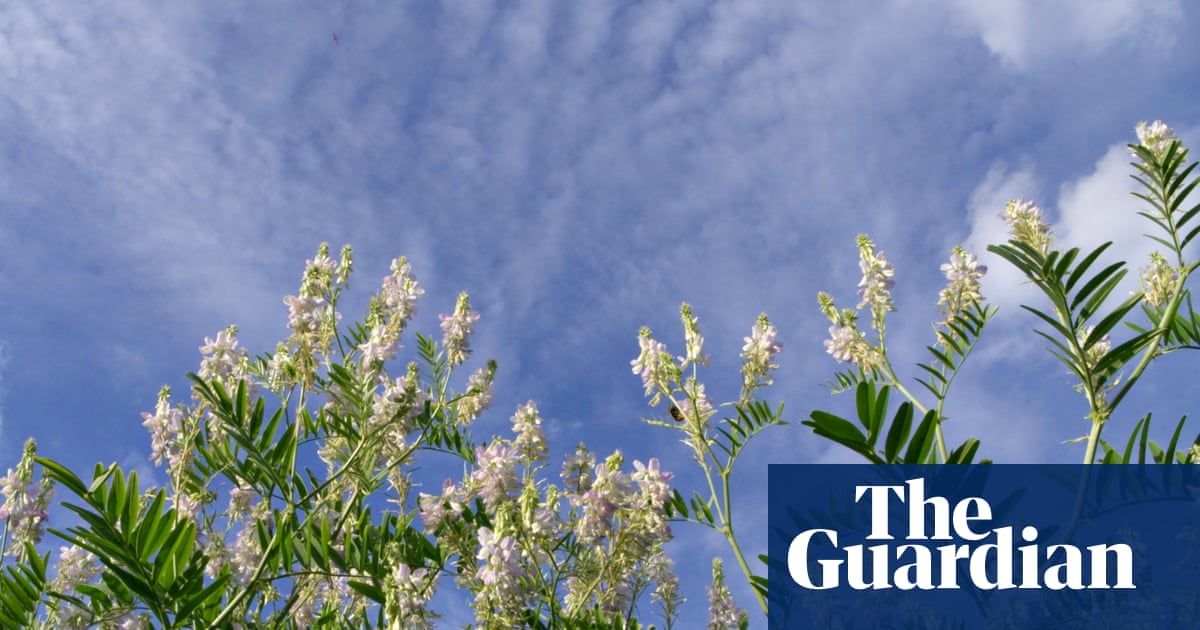
"Goat's rue or French lilac, Galega officinalis, is a wild plant and often grown in gardens for its clusters of attractive lilac or white flowers. For a long time the plant was also used to treat diabetes. Its key ingredient was later identified as galegine, which lowers blood glucose levels but has toxic side-effects. Eventually galegine led to the development of the synthetic drug metformin, now the classic treatment for treating diabetes by controlling blood sugar."
"Metformin has none of the toxic side effects of galegine and is now one of the most prescribed drugs in the world. But for many years metformin was vilified and banned in many countries because of its association with galegine. Metformin is now also becoming something of a super drug for its anti-cancer effects, cardiovascular protection, delaying the onset of diabetes, and helping some people lose weight."
"It may even lower the risks for cognitive decline, dementia, strokes, slow ageing and increase life expectancy. Exactly how it achieves all these remarkable wonders is not entirely understood, but it is not bad for a drug that originally came from an attractive wild plant."
Goat’s rue (Galega officinalis) is a wild garden plant with lilac or white flower clusters. The plant was used for a long time to treat diabetes, and its key ingredient was identified as galegine. Galegine lowers blood glucose levels but has toxic side-effects. Galegine inspired the synthetic drug metformin, which controls blood sugar and avoids galegine’s toxic effects. Metformin was once vilified and banned in many countries due to its association with galegine. Metformin is now widely prescribed and is also linked to anti-cancer effects, cardiovascular protection, delayed diabetes onset, weight loss in some people, reduced cognitive decline and dementia risk, lower stroke risk, slower ageing, and increased life expectancy. The mechanisms are not fully understood.
Read at www.theguardian.com
Unable to calculate read time
Collection
[
|
...
]