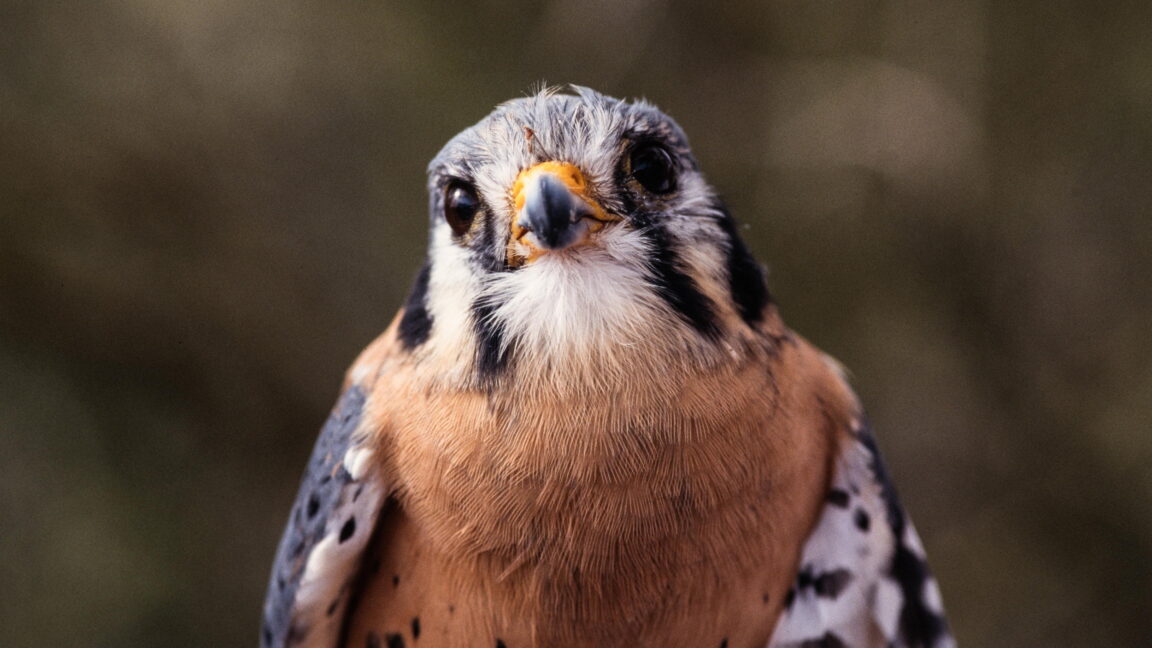
American kestrels nesting in cherry orchards reduce populations of mice, voles, songbirds, and other pests through predation and intimidation. Orchards with kestrel nest boxes experienced 81 percent less crop damage and 66 percent fewer branches contaminated with bird feces. Reduced presence of small birds lowers the likelihood of fruit contamination by pathogens carried on those birds. Kestrel deployment into orchards is relatively low-cost and broadly appealing to growers. Kestrels deter cherry-eating birds, translating into fewer bite marks and missing fruit at harvest and complement existing pest-management measures.
"Fruit farmers have been working symbiotically with kestrels for decades, adding nesting boxes and reaping the benefits of the birds eliminating the mice, voles, songbirds, and other pests that wreak havoc by feeding on not-yet-harvested crops. In addition to limiting the crop damage caused by hungry critters, new research suggests kestrels also lower the risk of food-borne illnesses."
"The study, published in November in the Journal of Applied Ecology, suggests the kestrels help keep harmful pathogens off of fruit headed to consumers by eating and scaring off small birds that carry those pathogens. Orchards housing the birds in nest boxes saw fewer cherry-eating birds than orchards without kestrels on site. This translated to an 81 percent reduction in crop damage-such as bite marks or missing fruit-and a 66 percent decrease in branches contaminated with bird feces."
""Kestrels are not very expensive to bring into orchards, but they work pretty well" at deterring unwanted bird species, said Olivia Smith, lead study author and assistant professor of horticulture at Michigan State University. "And people just like kestrels a lot, so I think it's an attractive strategy.""
Read at Ars Technica
Unable to calculate read time
Collection
[
|
...
]