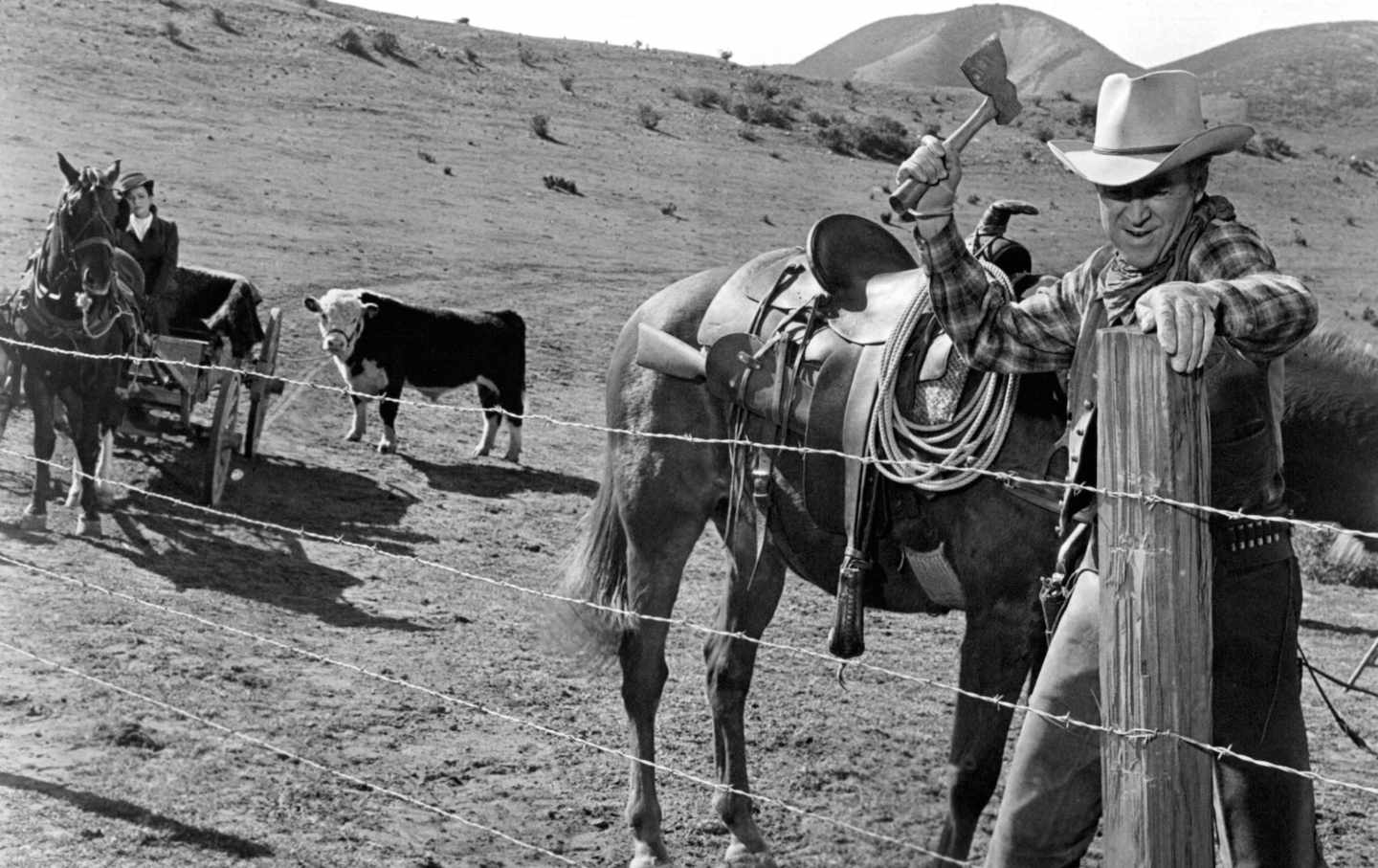
"I could have walked for miles on dead animals, stepping from one to another. These were mostly natives belonging to northern ranges which had drifted across the burned prairie. As long as they could travel, cattle kept alive. Finally, the drift fence halted them. Here they stopped ... bunched close together as for a last protection, helplessly dropped in their tracks and froze."
"The land in Texas and across the West was changing. The previous decade had seen abundant rain, which nourished the grasslands of the Southern Plains. Capitalists invested heavily in the cattle industry, and ranchers felt their fortunes were made. But this climate was only temporary, and soon came the extreme weather-fire, droughts, and blizzards."
In 1885, blizzards struck the Texas Panhandle, leading to the Great Die-Up. Cattle, seeking safety, were trapped by drift fences and unable to escape the cold. They huddled together for warmth, ultimately succumbing to the freezing temperatures. Cowboys discovered vast numbers of frozen cattle after the storms. The cattle industry had thrived in the previous decade due to favorable weather, but the arrival of extreme conditions marked a significant change in the landscape and fortunes of ranchers in Texas and the West.
Read at The Nation
Unable to calculate read time
Collection
[
|
...
]