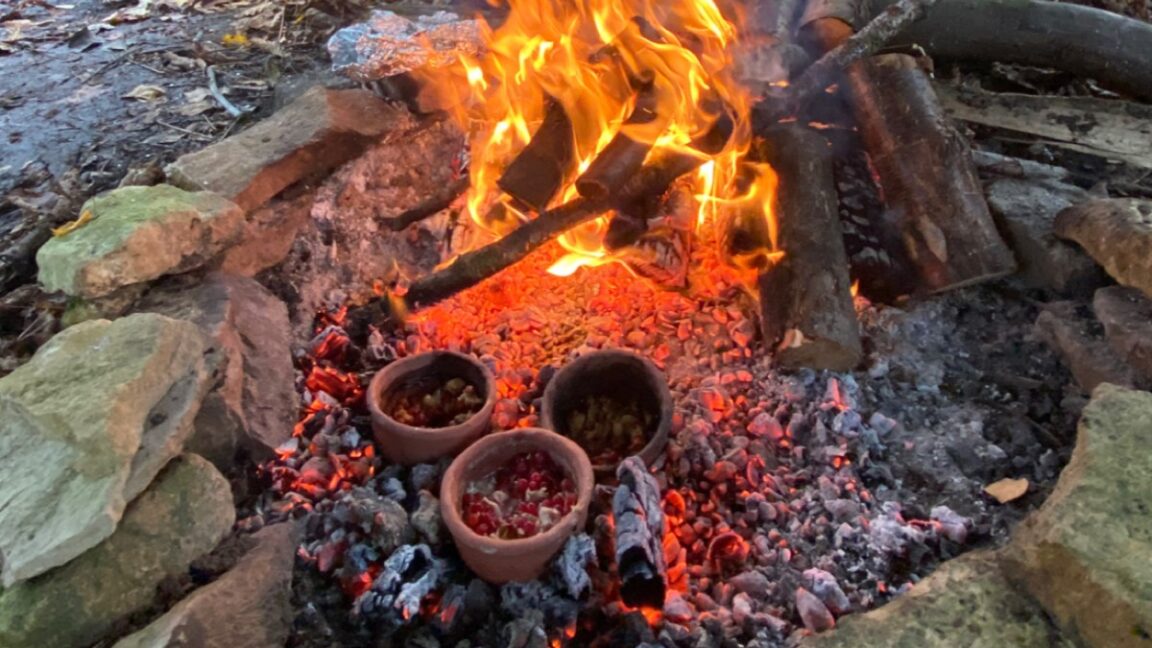
"Our results show that there was a general tendency towards combining specific foods into distinct preparations and in particular regions, such as combining Viburnum berries with freshwater fish in the Upper Volga and Baltic regions. Fish accompanied by wild grasses and legumes were preferred in the Don River Basin, while other sites preferred their fish with green vegetables."
"Hunter-gatherer-fishers were not living on fish alone. They were actively processing diverse plant and animal resources, including wild grasses, legumes, fruits, berries, green vegetables, roots, tubers, and dairy products obtained through regional trade networks and interactions with farming communities."
Archaeological analysis of pottery shards from Eastern European sites reveals diverse plant and animal food consumption patterns among prehistoric hunter-gatherer-fishers. The Don River basin communities utilized wild legumes and grasses with fish, while Upper Volga and Dnieper-Dvina regions favored guelder rose berries and Amaranthaceae plants. Baltic populations consumed freshwater fish combined with berries, sea vegetables, and tubers, with some Danish sites showing dairy product traces from nearby farming communities. Experimental cooking recreated these ancient food preparations using replica pottery vessels, boiling guelder rose berries and Amaranthaceae species with freshwater fish. Results demonstrate regional food combination preferences: Viburnum berries with fish in Upper Volga and Baltic regions, fish with wild grasses and legumes in the Don River Basin, and fish with green vegetables at other sites.
#prehistoric-diet-and-nutrition #archaeological-pottery-analysis #hunter-gatherer-fisher-subsistence-patterns #regional-food-preparation-practices #eastern-european-archaeology
Read at Ars Technica
Unable to calculate read time
Collection
[
|
...
]