Climate change is increasing extreme weather that threatens agriculture. In Santa Fe, a researcher developed GMO wheat and soy seeds to address drought. The seeds were modified using a sunflower gene that triggers a plant response mechanism when water is scarce. This genetic change makes plants more tolerant to drought stress. The work earned international recognition, including selection among the top five women scientists for a 2026 science award. The achievement links fundamental plant biology to agricultural innovation by identifying genes and biological mechanisms that help plants adapt to changing environments. The researcher credits early curiosity, family support, and a long research path across multiple countries for the discovery.
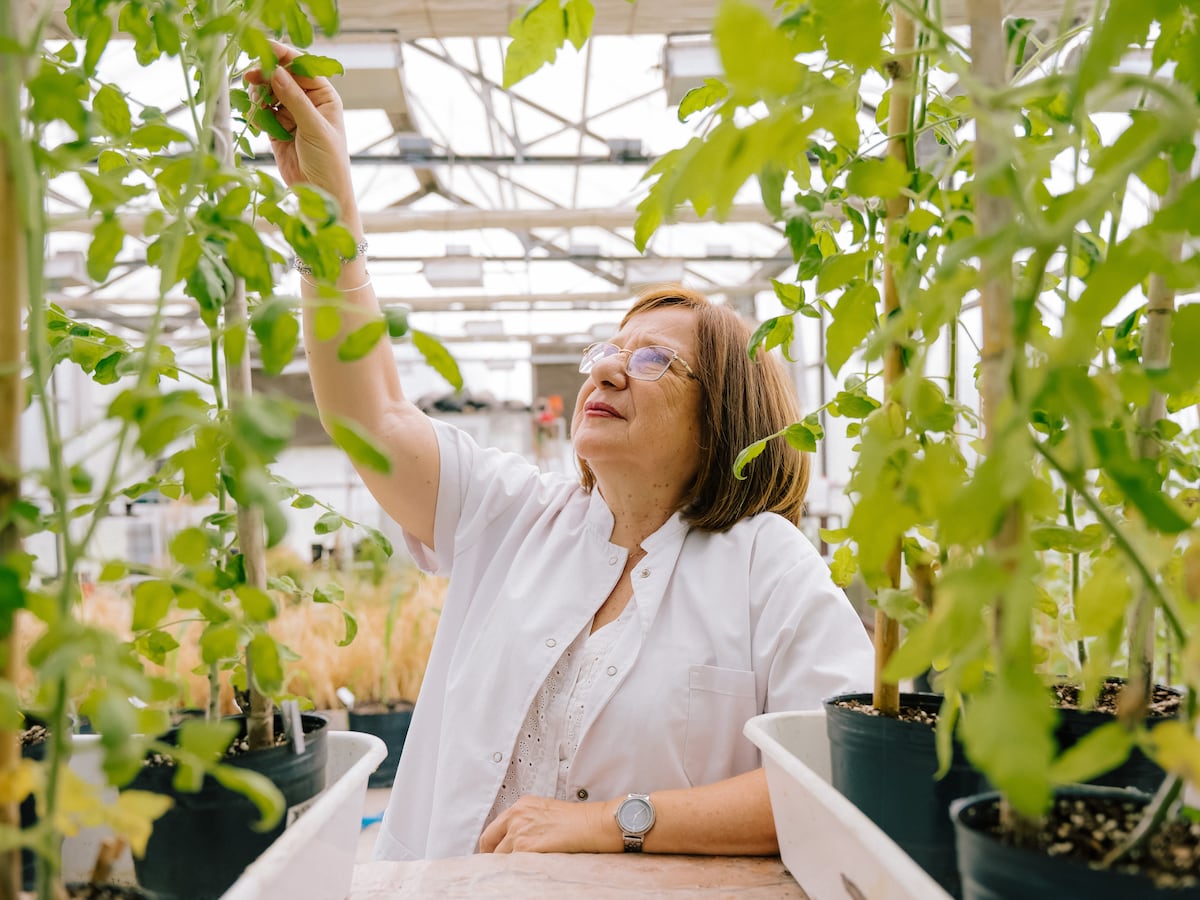
"Climate change is setting the stage for increasingly extreme phenomena that present challenges to agriculture. In the Argentine city of Santa Fe, researcher Raquel Lia Chan, 66, created GMO seeds designed to combat one of the countryside's greatest threats: drought. She and her team from the Litoral Institute of Agrobiotechnology were able to modify wheat and soy seeds using a sunflower gene that activates a response mechanism in the plants when they are under stress from lack of water, rendering them more tolerant to drought."
"Thanks to this development, Chan was recently recognized by the 2026 L'OrealUNESCO for Women in Science International Awards as one of the world's top five women scientists. The organizers of the international prize rewarded Chan for transforming fundamental plant biology into agricultural innovation through her discovery of genes and biological mechanisms that enhance plant tolerance to changing environments."
"Chan remembers being very curious as a child, asking the same question up to 20 times until she was offered a response she considered valid. Today, she says that curiosity was the seed of her scientific calling. She found support in her parents, workers who never went to university but who, like so many other Argentines, saw education as a path to social advancement."
"What had begun as a question why do some plants dry out immediately, while others do not? resulted in a decades-long investigation, with results recognized around the world. Chan believes that, with certain exceptions, scientists aren't geniuses, but rather resilient and hard-working people who a"
Read at english.elpais.com
Unable to calculate read time
Collection
[
|
...
]