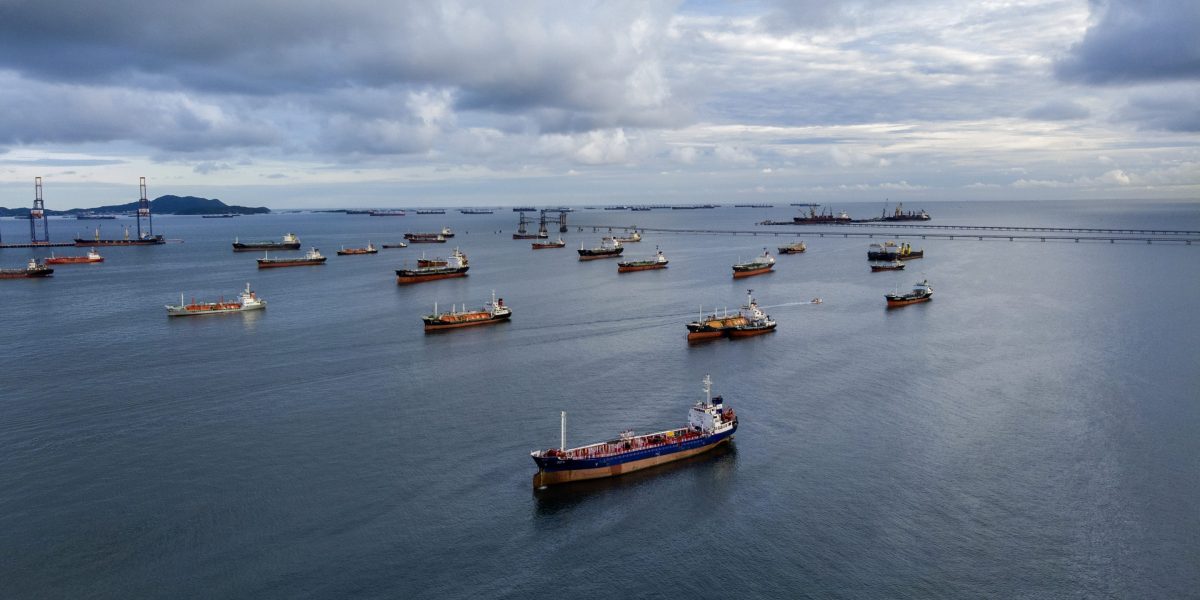
The closure of the Strait of Hormuz has significant implications for global food prices and agricultural productivity. This strait is crucial for transporting crude oil, liquefied natural gas, and fertilizer, which are essential for modern agriculture. Delays or increased costs in fertilizer supply lead to reduced crop yields, affecting staple foods like corn, wheat, and rice. As a result, consumers may face higher prices for various food products, including corn-fed beef and soft drinks, due to rising costs of key ingredients.
"Shipping traffic through the Strait of Hormuz carries roughly a third of internationally traded fertilizer, which is key to bountiful crops around the world. When fertilizer arrives late or becomes too expensive, farmers are left to either reduce the amount they use, plant fewer crops or switch to crops that need less fertilizer."
"Three staple crops - corn, wheat and rice - supply more than half of the world's dietary calories. To maximize production, those crops need three main nutrients: nitrogen, phosphate and potassium. The closure of the Strait of Hormuz has reduced the supply and increased the cost of all three."
"Natural gas, which determines 70% to 90% of the cost of producing nitrogen fertilizer, has seen a 20% drop in production due to the war, leading to increased fertilizer prices and impacting food supply chains."
Read at Fortune
Unable to calculate read time
Collection
[
|
...
]