#tree-communication
#tree-communication
[ follow ]
#forest-conservation
Environment
fromEarth911
1 month agoSustainability In Your Ear: The Forest Stewardship Councils' Path to a Circular Bio-based Future with Loa Dalgaard Worm
Forests face unsustainable depletion from rising demand for wood fiber, requiring circular economy models and new incentive systems to protect remaining forests while meeting material needs.

fromTheregister
1 week agoBees and hummingbirds get trace alcohol from nectar
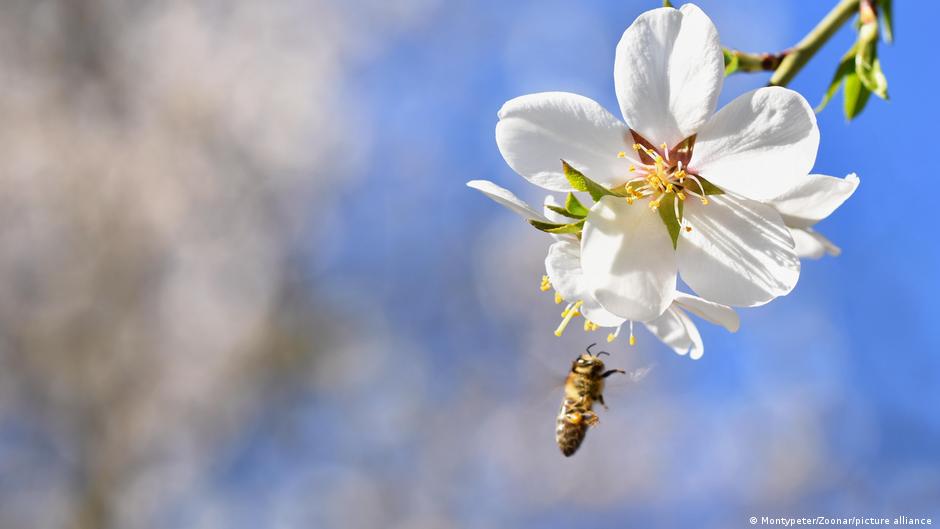
A study by researchers at the University of California Berkeley has found that ethanol is surprisingly common in floral nectar, the sugary fuel that keeps pollinators alive. Yeast feeding on those sugars produces trace amounts of alcohol, and in this study, it showed up in 26 of the 29 plant species sampled.
Beer
Canada news
fromwww.theguardian.com
2 weeks agoWhen the Forest Breathes by Suzanne Simard review the Indiana Jones of trees returns
Suzanne Simard's research demonstrates that trees communicate and exchange resources through fungal networks, fundamentally changing understanding of forest ecosystems and their carbon recovery capacity.
fromwww.theguardian.com
3 weeks agoSmall changes in how we garden can make a big difference to birds | Letter
Around a third of UK gardeners use pesticides, and our studies found that house sparrow numbers, for example, were nearly 40% lower in gardens where the pesticide metaldehyde was used. By reducing pesticide use, you can actively encourage birds back into your outdoor spaces, as they rely on invertebrates such as slugs and snails as natural prey.
Pets
Online marketing
fromSocial Media Explorer
3 weeks agoScrolling for Shade: What Homeowners are Actually Searching for Regarding Tree Care - Social Media Explorer
Social media tree-trimming trends prioritize aesthetics over proper arboriculture; professional pruning serves biological functions like wind resistance, not just visual appeal.
fromwww.theguardian.com
3 weeks agoMy ideas are a little revolutionary': ecologist Suzanne Simard on intelligent forests, the climate and her critics
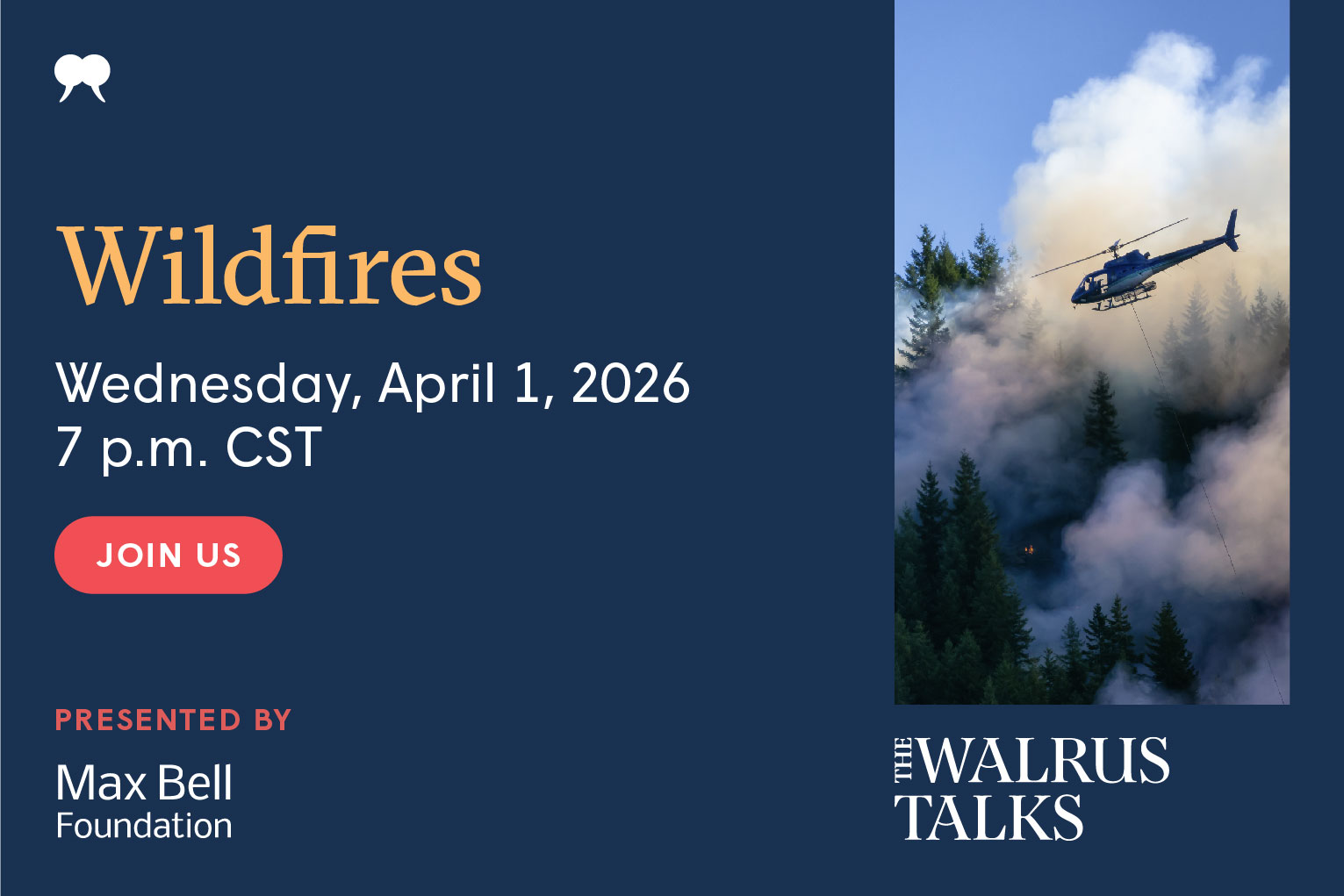
Wildfires have become an ever bigger problem in Canada. The 2018 wildfires were the biggest in British Columbia's history, but this record was broken in 2021, and then again in 2023, when fires consumed an area three times the size of the Canadian province of Nova Scotia and the smoke travelled as far as New York City.
Canada news
Mindfulness
fromPsychology Today
3 weeks agoYour Brain Needs the Outdoors More Than You Think
Human brains evolved outdoors and require natural environments to function optimally; modern indoor lifestyles cause mental fatigue that nature exposure restores through soft fascination and circadian rhythm regulation.
Design
fromArchDaily
3 weeks agoRethinking Architecture at the Scale of Planetary Systems
Contemporary architecture operates within interconnected technological systems—energy networks, data infrastructures, and global logistics—that fundamentally shape what can be built, its affordability, performance, and waste production.
Mental health
fromwww.theguardian.com
3 weeks agoIt has changed my life': How a dose of nature is treating mental illness
Dose of Nature prescribes outdoor time as mental health treatment, achieving 64% recovery rates compared to NHS talking therapies' 50%, with nature exposure providing serotonin boosts and immune system benefits through phytoncides.
LA real estate
fromLos Angeles Times
35 years agoFOCUS : Trees Have Roots in Placentia Grass Eaters Cult
A modest Orange County neighborhood was built over the site of a 19th-century religious colony called the Placentia Grass Eaters, whose only remaining evidence is two macadamia nut trees marked by a bronze plaque.
fromwww.theguardian.com
3 weeks agoCan culling your garden slow a wildfire? A California city pins its hopes on a contested plan
Tucked into the ridges overlooking California's San Francisco Bay and against an expansive nature area, the house Thouati and his wife have owned for 30-some years sits in one of the highest wildfire-threat areas in the state. A scientist with a penchant for diving deep, he poured into the research. Hundreds of articles later, he said, it became clear I had to swallow my pride.
Environment
fromwww.theguardian.com
1 month agoHumanity heating planet faster than ever before, study finds
Climate breakdown is occurring more rapidly with the heating rate almost doubling, according to research that excludes the effect of natural factors behind the latest scorching temperatures. It found global heating accelerated from a steady rate of less than 0.2C per decade between 1970 and 2015 to about 0.35C per decade over the past 10 years.
Environment
fromwww.independent.co.uk
1 month agoAncient oak tree felled by Toby Carvery owner was still alive, investigation finds
From reproductive rights to climate change to Big Tech, The Independent is on the ground when the story is developing. Whether it's investigating the financials of Elon Musk's pro-Trump PAC or producing our latest documentary, 'The A Word', which shines a light on the American women fighting for reproductive rights, we know how important it is to parse out the facts from the messaging. At such a critical moment in US history, we need reporters on the ground.
UK news
fromEast Bay Express | Oakland, Berkeley & Alameda
2 months agoEdible ecosystems grow wildly from shoreline to forest
For Staller, foraging is a "precious" and "simple" activity that one can do to connect with nature. They can experience a sense of mindfulness from gathering together, looking for food and then cooking the bounty, she said. "We are returning to the most basic part of being a human, which is eating food and celebrating it," Staller said. "It's a lost artform."
Food & drink
fromArs Technica
1 month agoNew critique debunks claim that trees can sense a solar eclipse
"Granted, "[p]lants have extensive and well established mechanisms of communication, with that of volatiles being the most well studied and understood," he added. "There is also growing recognition that root exudates play a role in plant-plant interactions, though this is only now being deeply investigated. Nothing else, communication through mychorriza, has withstood independent investigation."
Science
fromenglish.elpais.com
1 month agoRobin Wall Kimmerer, scientist and writer: Capitalism is not a natural phenomenon; it's a choice'
Kimmerer proposes kindness as an act of resistance. We need to equip ourselves with a new language, she explains, something that affirms that this is what it means to be human. In a world where kindness breeds distrust or is scorned, kindness, she affirms, is becoming a militant gesture. When you're kind to someone, it's not universally expected that they'll respond with kindness, but if that seed is planted, both people feel better,
Books
fromFuturism
2 months agoMeteorologist Warns That Winter Storm Means Trees Are About to Start Exploding
With a major winter storm about to blast pretty much every US state east of the Rocky Mountains, many are scrambling to prepare for the cold, ice, and snow. And according to popular meteorology influencer Max Schuster, there's yet another winter-weather hazard to watch out for: trees exploding in the frigid air. On a viral post on X-formerly-Twitter, Schuster - who holds a meteorology degree
Science
Environment
fromEarth911
1 month agoClassic Sustainability In Your Ear: The Ocean River Institute's Natural Lawn Challenge for Climate Action
Natural lawn practices reduce water consumption, eliminate harmful chemicals, support pollinators, and store significantly more carbon than chemically-treated lawns, making healthy lawns powerful climate change solutions.

Agriculture
fromIndependent
2 months ago'It's a kind of rock-star lifestyle... but I always loved farming': Why ex-pro surfer swapped chasing waves for regenerative farming
Fergal Smith left a professional surfing career to practice regenerative farming and train Ireland’s next generation of sustainable farmers on Moy Hill Farm.
Environment
fromEarth911
1 month agoGuest Idea: Late Winter Pruning Optimizes Tree Health for Backyard Carbon Sequestration
Prune backyard trees in late winter to reveal structure, improve health, and increase long-term carbon sequestration by removing nonproductive limbs and promoting stronger growth.
Environment
fromwww.theguardian.com
2 months agoGermany's dying forests are losing their ability to absorb CO2. Can a new way of planting save them?
Bark beetle outbreaks, fueled by drought and heat, have devastated spruce monocultures in the Harz, prompting mixed-species replanting to increase forest resilience.
fromwww.dw.com
2 months agoThe business of saving nature
The world spends 30 times more money destroying nature than protecting it. That's according to a new report from the United Nations Environment Programme (UNEP) that exposes a massive gulf between so-called "harmful investments" and financing that promotes nature preservation. The global environment agency's latest "State of Finance for Nature" (SNF) report is calling to phase out the US$7.3 trillion (6.2 trillion) in global investments that damage nature including into high-emissions energy infrastructure and manufacturing, for example.
Environment
fromArchDaily
2 months agoHealth, Habitat, and Civic Infrastructure: Designing the City as a National Park
Cities around the world share a common goal: to become healthier and greener, supported by civic infrastructure that restores ecosystems and strengthens public life. The question is how to reach this. Global climate targets, local building codes, and municipal standards increasingly guide designers and planners toward better choices. Still, many cities struggle to translate these frameworks into everyday, street-level comfort and long-term ecological protection.
Environment
[ Load more ]