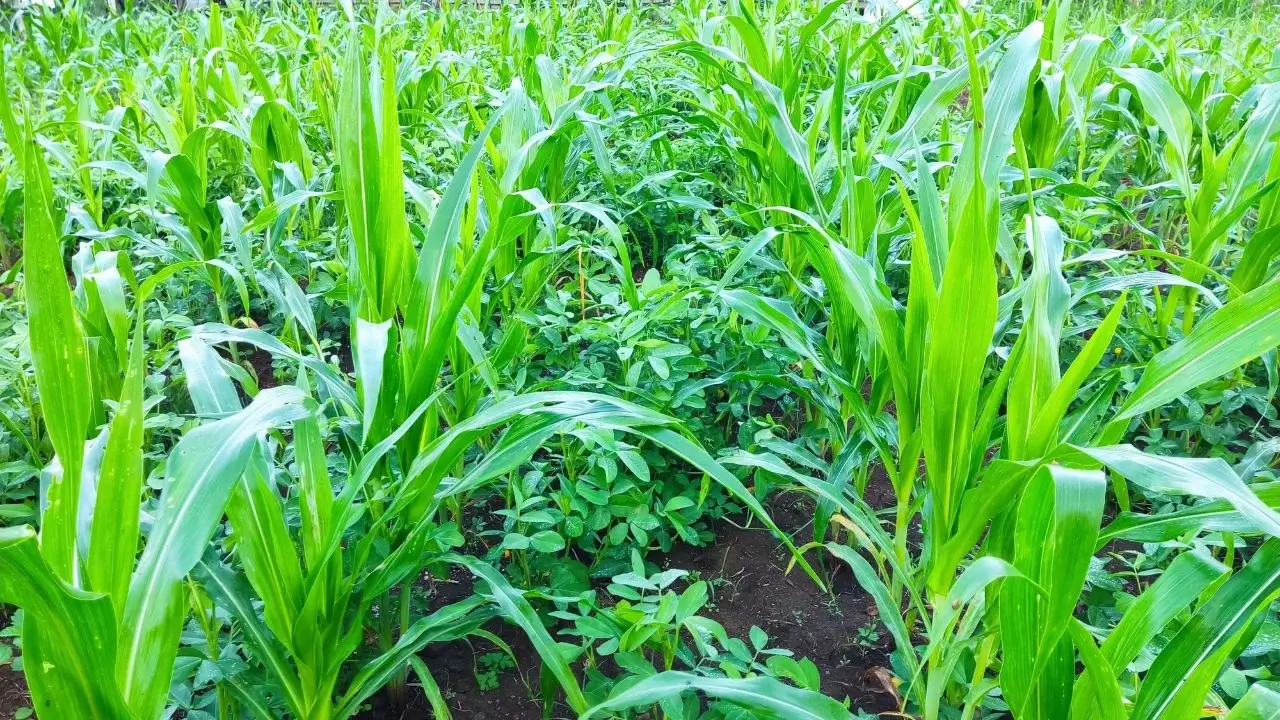
"Interseeding rye and barley between rows of corn is common practice on large-scale farms. This provides the landowner with two or three crops, which can all be sold."
"The key to interplanting is timing. For corn and other grains, it's important to stage plantings so there's enough light for the shorter crop to grow."
"Having the option to sell both beets and carrots that you planted next to one another can bring in another set of earnings that takes less effort to grow."
"On dual-purpose farm ranches, interseeding livestock fodder between rows offers the assurance that there will be food, even when winter is in full effect."
Interseeding involves planting cover crops alongside main crops, enhancing economic and environmental sustainability. This practice allows farmers to grow multiple crops on the same land, increasing overall yield. For large farms, interseeding rye and barley with corn can yield two to three crops. Smaller farms can benefit similarly by pairing crops like tomatoes with beans. Timing is crucial for successful interplanting, ensuring adequate light for shorter crops. Additionally, interseeding provides reliable fodder for livestock, especially in winter, supporting dual-purpose farming.
Read at Modern Farmer
Unable to calculate read time
Collection
[
|
...
]