#sustainable-agriculture
#sustainable-agriculture
[ follow ]
#climate-change #food-security #regenerative-farming #soil-health #environmental-impact #biodiversity #gardening
#regenerative-farming


fromBusiness Matters
8 months agoAgriculture
Barclays launches new finance facility to help farmers transition to sustainable practices
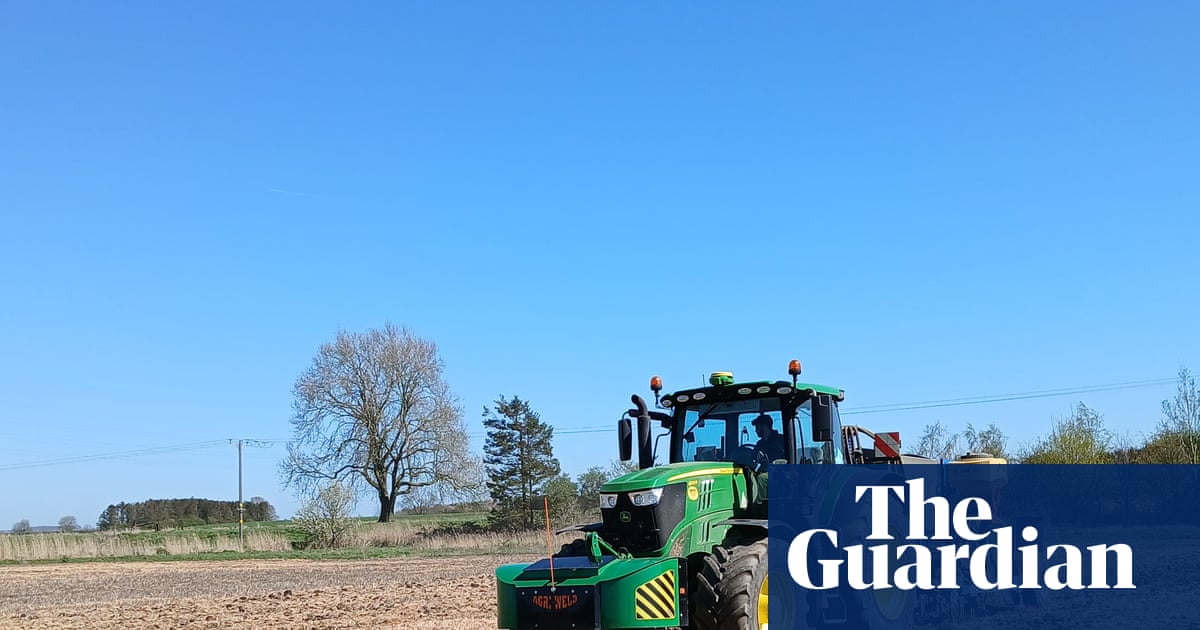
Barclays launched Farm Transition Finance offering eligible UK farmers a 0.3% interest reduction and flexible repayment to support regenerative, nature-friendly farming investments.

Food & drink
fromLondon On The Inside
2 months agoThe Female Forces Shaping Thailand's Food and Beverage Scene
Female disruptors in Thailand's food and beverage industry are redefining the sector through innovative restaurants, wine, coffee, and community-led businesses despite underrepresentation in traditional leadership roles.
European startups
fromwww.thelocal.se
2 months ago'I chose my mental health': Indian entrepreneur leaves Sweden after deportation order
An Indian entrepreneur's hydroponics startup in northern Sweden was shut down after his business visa application was denied by the Swedish Migration Agency, forcing him to leave the country despite having secured funding and established customer relationships.
fromwww.archdaily.com
2 months agoGaughar Animal Husbandry / Compartment S4
Set within a 350-acre fruit orchard in Dahanu, Maharashtra, the 'Gaughar' occupies nearly 14 acres of a larger rural campus that includes a tribal school for 600 children and a skill development centre. More than an isolated structure, the gaushala forms part of a living landscape, one shaped by agriculture, learning, and care.
Renovation
Coffee
fromDaily Coffee News by Roast Magazine
2 months agoEqual Origins Says 'Raise Your Cup' for the Women Who Grow Coffee
Equal Origins launches Raise Your Cup campaign to highlight undervalued women in coffee and cocoa supply chains, coinciding with the UN's 2026 International Year of the Woman Farmer.
Wine
fromABC7 San Francisco
2 months agoWoman winemaker brings life to small family-owned winery in Sonoma County
Lisa Albert, an experienced female winemaker, leads Karah Estate Vineyard in Sonoma County using sustainable practices to produce handcrafted wines while managing multiple operational roles.
fromwww.theguardian.com
2 months agoA gift that falls from the sky': why farmers are using Etna's ash as fertiliser
With every eruption, towns such as Giarre experience an average of 12,000 tonnes of ashfall daily, which the wind can transport as far as 800km (497 miles). In July 2024, Catania Sicily's second-largest city, located at the foot of Mount Etna registered 17,000 tonnes of ash daily, which took nearly 10 weeks to collect.
Agriculture
fromwww.theguardian.com
3 months agoWe're not hippies': why these Iowa farmers swapped pigs for mushrooms
My older brother has worked with pigs his entire adult life, managing about 70,000 of them across five counties, Faaborg says. But we got to a point where he went from laughing at me to saying: well, I guess maybe I'll quit my job and help you out. Now he's the most dedicated, says Katherine Jernigan, director of the Transfarmation Project at Mercy for Animals, a non-profit that helped the Faaborgs make the switch and set up their new business, 1100 Farm.
Agriculture
Canada news
fromRealagriculture
3 months ago67 options and counting: Navigating the complex landscape of farm incentive programs
Canadian farmers face a growing number of sustainability incentive programs that create administrative burdens, confusion, upfront costs, and unclear financial benefits as major programs end.
fromCornell Chronicle
3 months agoFive A.D. White Professors-at-Large on campus this spring | Cornell Chronicle
Named for Cornell's first president, the program sponsors scholars and public intellectuals in the life sciences, physical sciences, humanities, social sciences and the arts. Other scheduled A.D. White PAL visits this semester: Keri Putnam (arts): Cornell Tech, March 13-15; Ithaca campus, March 16-20; May Berenbaum, Ph.D. '80 (life sciences): March 16-18; Louis Massiah '77 (arts): April 6-10; and Jordan Ellenberg (physical sciences): April 13-17.
Agriculture
Travel
fromTravel + Leisure
3 months agoI Visited One of Thailand's Oldest Organic Tea Farms-and It Was One of the Most Moving Travel Experiences I've Had
Araksa Tea Garden produces organically certified, sustainably grown Thai 'jungle tea' and Assam hybrids at high elevation using skilled hand-plucking and traditional processing.
Agriculture
fromwww.theguardian.com
5 months agoSoil is more important than oil': inside the perennial grain revolution
Perennial grain Kernza offers a sustainable alternative to annual wheat, reducing soil erosion, greenhouse-gas emissions and agricultural disturbance while supplying a perennial food crop.
Startup companies
fromBusiness Insider
5 months agoI'm the pregnant CEO of a luxury bean company. I'm on flex-time before the baby comes - here's a day in my life.
Bold Bean Co. promotes beans for environmental and dietary benefits while operating a remote-first, UK-focused food startup with 20 employees and flexible location policies.


Agriculture
fromFortune
6 months agoThe world is about $4.5 trillion short of securing a sustainable food supply for the future, global food and ag business CEO says | Fortune
A major global food supply gap requires roughly $4.5 trillion investment to develop sustainable, nutritious crop production amid land, water, biodiversity, and emissions constraints.
fromLos Angeles Times
7 months agoWomen in Mexico step up to protect ancient Aztec farms and save a vanishing ecosystem
Jasmín Ordóñez looks out from a wooden boat at the water as she crosses a narrow channel that connects a labyrinth of chinampas, island farms that were built by the Aztecs thousands of years ago. "Let's close our eyes and ask our Mother Water for permission to sail in peace," she said as the boat moves slowly, in contrast to the frenetic traffic of Mexico City just a few miles away.
Agriculture
fromArchDaily
7 months agoPlant Futures Facility - The University of Queensland / m3architecture
Text description provided by the architects. The Plant Futures Facility supports research into sustainable food, fibre, and fuel production in response to climate change and population growth. Defined as a "walled garden," the building's concept reflects its typology and context-crafted from brick in a pixilated pattern referencing Queensland's geological cross-section. From a distance, it reads as a stone wall; up close, it reveals a finely articulated façade.
Design
fromThe Mercury News
8 months agoStanford graduates' startup turns almond shell waste into organic fertilizer
Our goal is to reduce emissions, promote healthy soils and help farmers improve yields," said Nicolas Pinkowski, co-founder and chief executive officer. "There's a lot of concern right now in the US about chemicals in and on foods. More and more people care not just about getting enough calories every day, but about making sure what they eat is healthy and safe.
Agriculture
fromArchDaily
8 months agoCheewit Cheewa Home of Nature / Teerachai Leesuraplanon, Thitiphong Phoonthong
From the Desire for a Borderless Classroom to an Architecture Intertwined with Nature - Cheewit Cheewa Home of Nature or The Sikhio Natural Agriculture Learning Center was conceived by Dr. Mavin Dankul, who envisioned expanding the Project Approach model of learning through outdoor classrooms at Prasarnwittaya School. Its primary mission is to cultivate life skills and foster environmental awareness among children and youth. At its core, the program embraces an
Education

fromLondon Business News | Londonlovesbusiness.com
10 months agoEU's phosphorus imports from Russia keep rising, despite the ongoing war - London Business News | Londonlovesbusiness.com
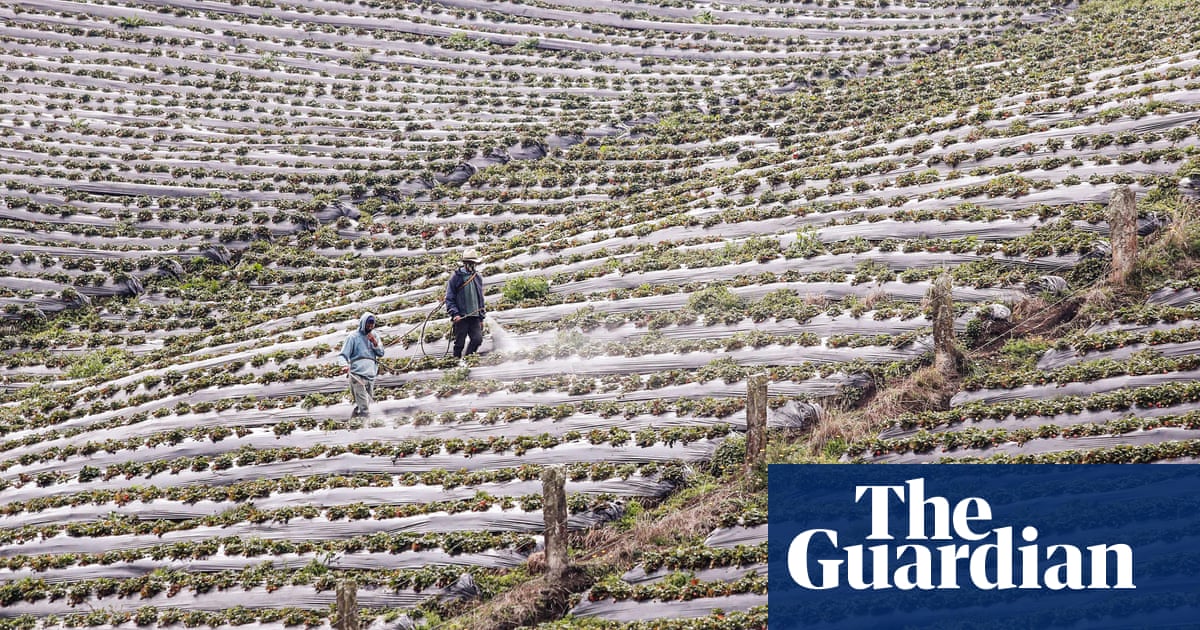
"It is deeply troubling that the EU has become more dependent on phosphorus from Russian mines," says Pär Larshans, Chief Sustainability Officer at the Ragn-Sells Group.
Agriculture

Coffee
fromDaily Coffee News by Roast Magazine
11 months agoIn India, Coffee Agroforestry Systems May Also Work as Seed Nurseries
Coffee agroforests can enhance biodiversity and aid forest restoration by saving seeds normally discarded by farmers.
Sustainable coffee cultivation in India supports biodiversity and seed sourcing for conservation efforts.
NYC startup
fromFast Company
11 months agoThis vertical farming startup is bringing fresh produce-and international competitors-to the Dubai desert
Pure Harvest Smart Farms successfully revolutionized vertical farming in the UAE, overcoming initial skepticism and competition to become a leading ag-tech player in the region.
[ Load more ]