Marketing
fromInc
7 hours agoThe Most Powerful Business Strategy Isn't a Product or a Pitch. It's a Person
Super connectors prioritize genuine relationships over transactional networking, making their networks integral to their business success.
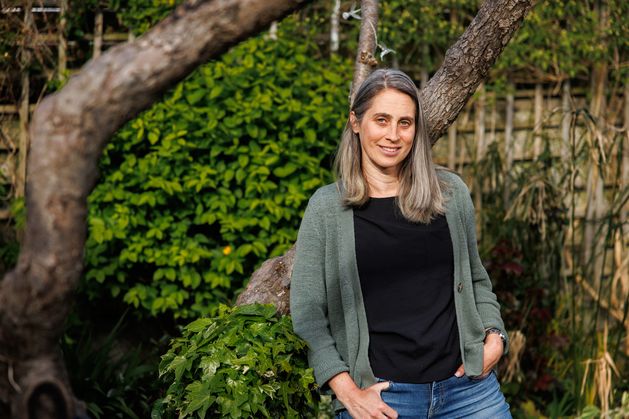
Jessica Wallace, who has a degree in equine sciences, bought the four-acre property to have a home for her horse. She says now her mission is to provide a safe haven for at-risk animals, especially those that are older and disabled.
"When you talk to people about breaking them down, they feel like they're going to get flattened. This negative perception of breaking down siloes can impact the organization's ability to solve the siloes in the first place."
Trust begins with realness. When lawyers share their story and the reason behind their work, clients see themselves reflected in that narrative. Clients are not simply hiring legal skill; they are looking for alignment, empathy, and shared values. Storytelling bridges that gap.
Most nonprofits begin with passion, and for good reason. A founder identifies a critical need and brings together a team that cares deeply enough to act. That kind of energy is what makes the early days possible. It drives long hours, resourceful problem-solving and a deep commitment to impact.
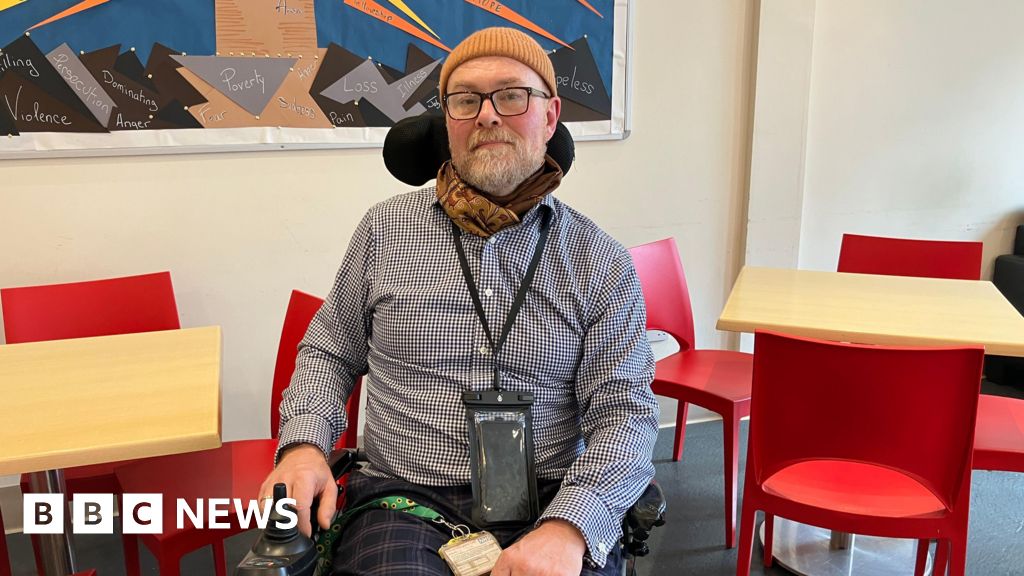
The labor of this kind of organizing was invisible and deeply exhausting. In a precarious workplace, where a so-called 'performance review' could amount to job loss, organizing meant building a bridge while standing on it.
Most for-profit companies still confine nonprofit relationships to corporate philanthropy. Donations flow through foundations, annual reports highlight community contributions, and nonprofit engagement is framed as evidence of corporate responsibility.
Why do I get to be the runner, and these guys get to be the homeless guys on the corner? Why can't we all be runners? She didn't have an answer. It would've been easy to let that question dissolve with her footsteps. Most people would have. But Mahlum saw something in those men that others had missed.
"Are you okay?" These were Alex Pretti's last words, said to a woman after ICE agents had tackled and pepper-sprayed her. Videos from bystanders show Pretti holding up a phone, attempting to document what was happening before he himself was pepper-sprayed, wrestled to the ground, and killed by those officers. He lost his life not for committing violence, but for documenting it, and stepping in to protect someone facing it.
I've always thought it would be good to acquire an old warehouse in every town throughout the land and convert it into low-rent community workspaces for artists, local charities and small businesses getting off the ground. A kind of people's WeWork. What would others do with a humungous, but not unlimited, pile of dosh to benefit society? Roland Freeman, West Yorkshire Send new questions to nq@theguardian.com.
The change in the administration's tactics in Minneapolis is not a retreat. Instead, they are regrouping and planning another mode of attack, with the hopes that their repression might be met with resistance that is easier to control and contain. People who garner their relevancy and power through the dehumanization and oppression of others will do whatever it takes to cling to their soulless sense of self.
Losing staff could be detrimental to the projects we worked on, and there was a growing dissatisfaction with how meetings were run. These mostly one-sided discussions left the quieter half of us feeling pushed aside, like our thoughts didn't matter much. If things stayed this way, I worried the good people on our team would start quitting one by one.
There's a myth in our society that real change requires force, strength, and domination. We celebrate athletes, CEOs, and politicians who crush their opponents. But history tells a different story. Lasting social change has often been triggered by humble people whose weapons were passion, principle, and an unwavering commitment to justice and the truth - not the truth we see on TV or read in print media, but rather the truth that we feel deep inside ourselves.
For justice-centered leaders, there is a stubborn dichotomy between our genuine commitment to equity, inclusion, and alignment in our organizations on the one hand, and our continuing self-diagnosis of high levels of misalignment, conflict, and turnover on the other. Three years after Maurice Mitchell's seminal piece, " Building Resilient Organizations: Toward Joy and Durable Power in a Time of Crisis," rang the alarm of "urgent concerns about the internal workings of progressive spaces," the current discourse suggests that the needle has not moved much.