#shellfish-enforcement
#shellfish-enforcement
[ follow ]
#environmental-impact #california #animal-welfare #sustainability #marine-conservation #fishing-industry

fromThe Mercury News
6 days agoDungeness crab: Bay Area's season will close April 30 - then reopen for whale-safe fishing
"Extending the spring crab season with pop-up gear helps support an economically vital fishery while preventing whale entanglements. It's a true 'win-win' for fisheries and wildlife."
California

fromwww.theguardian.com
3 days agoEngland wildlife watchdog has stopped designating special sites for protection'
While Natural England dithers and reviews processes, irreplaceable wildlife sites are being trashed, damaged, and even built over. That is not a technical failure, it's a dereliction of duty.
Environment
fromArs Technica
3 weeks agoHow new fishing tech can reduce bycatch of turtles and other creatures
"There are not very many conservation issues that I'm aware of where industry and conservationists and consumers and the fishermen and the resource users all want the same thing. Every stakeholder wants less bycatch."
Pets

fromBoston.com
1 month agoMaine's catch of lobster declines again as high costs and climate change impact industry
The haul of lobsters, Maine's best known export and a key piece of the state's identity and culture, has declined every year since 2021, and some scientists have cited as a reason warming oceans that spur migration to Canadian waters.
Miscellaneous

fromThe Takeout
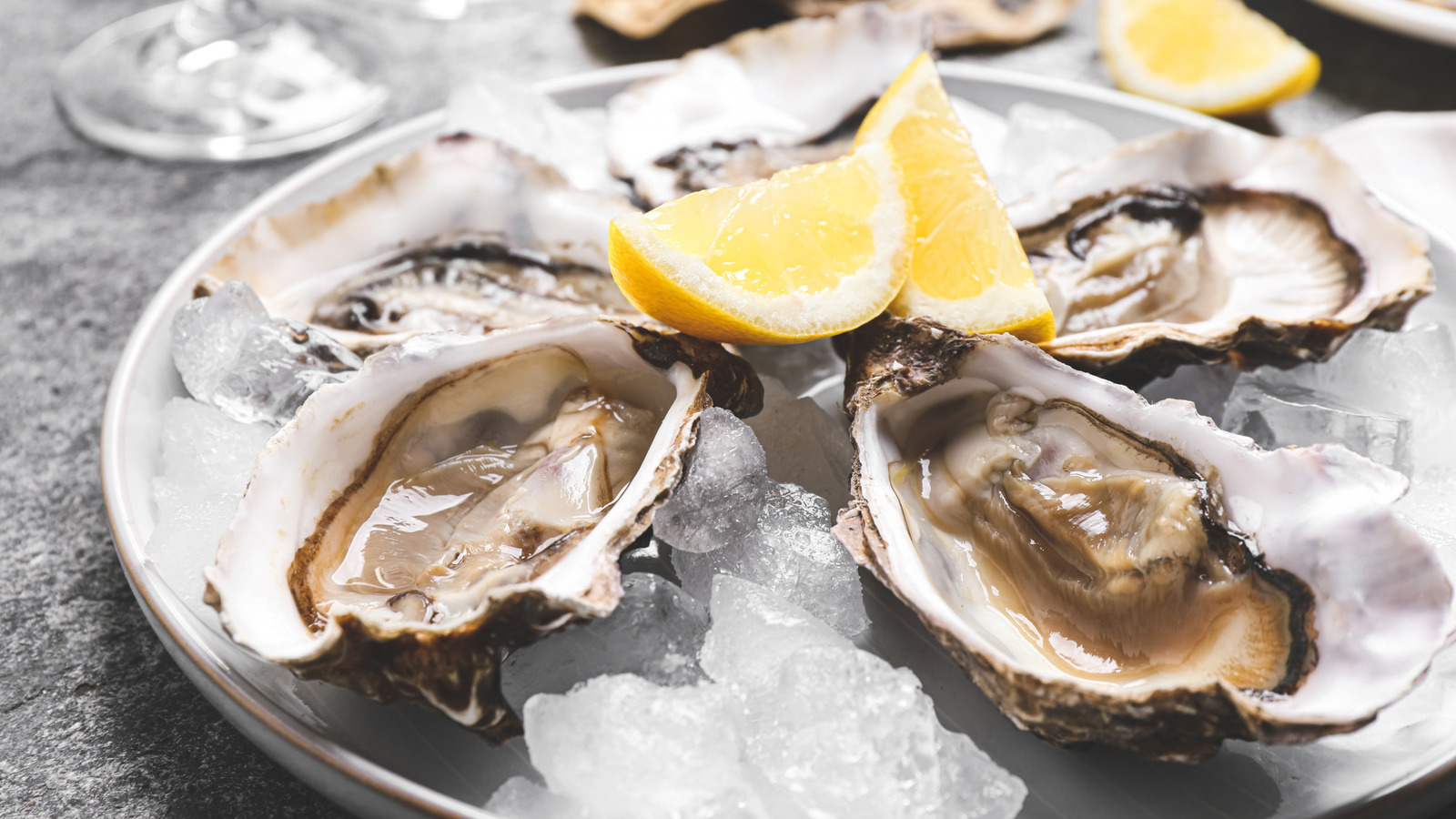
1 month agoYour Guide To The Types Of East Coast Oysters - The Takeout
Generally, East Coast oysters are brinier than West Coast oysters. Eastern oysters, raised either in the Atlantic Ocean or in its estuaries, live in a much saltier environment. West Coast oysters are mostly raised in protected bays, estuaries, and tidal rivers, where there is much less salt.
Silicon Valley food
Public health
fromwww.theguardian.com
1 month agoTasmanian salmon farms blocked from using antibiotic florfenicol after detection in wild fish 10km away
Australia's veterinary medicines regulator suspended florfenicol use in Tasmanian salmon farms due to unacceptable risks to other marine species, after the antibiotic was detected in wild fish up to 10km from fish pens.
Miscellaneous
fromwww.theguardian.com
2 months agoIt's betrayal': Shetland's scallop fishers brace for arrival of UK's largest salmon farm
Approval of the UK's largest planned salmon farm in Shetland intensifies conflict between local scallop fishers and fish-farm operators over ecological and economic strain.
fromArs Technica
1 month agoFishing crews in the Atlantic keep accidentally dredging up chemical weapons
Recovered CWMs continue to pose worker and food safety risks. Because of ocean drift, storms, and offshore industries, sea-disposed CWMs locations are largely unknown and potentially far from their originally documented dump site. The three incidents exposed at least six crew members to mustard agent, which causes blistering chemical burns on skin and mucous membranes.
Miami Marlins
SF food
fromTasting Table
1 month ago8 Seafood Chains With The Worst Quality Fish, According To Reviews - Tasting Table
Chain restaurants serve low-quality seafood that falls below acceptable standards, with Long John Silver's exemplifying poor fish preparation through excessive battering and unappetizing presentation.
Agriculture
fromEater
1 month agoHow One Farm Raises the Rarest, Most Expensive Mollusk in America
The Cultured Abalone Farm in Santa Barbara is the primary source of commercially farmed red abalone in the U.S., supplying restaurants nationwide while supporting conservation efforts for nearly extinct wild populations.


Environment
fromABC7 San Francisco
1 month agoTracking fisherman to track fish: The new technological approach to better understand ocean life
Global Fishing Watch uses AIS transponder data and artificial intelligence to track fishing vessels worldwide, providing unprecedented visibility into global fishing fleet movements and activities.
Environment
fromABC7 San Francisco
2 months agoHere's how newly approved pop-up traps could extend Bay Area crab season: 'A hard-fought battle'
Ropeless pop-up crab traps received statewide approval in California, allowing commercial fishing while reducing whale entanglements and enabling reliable, trackable deployments.
fromwww.theguardian.com
1 month agoJudge sides with salmon against Trump administration in hydropower ruling
At the center of the dispute are eight dams and reservoirs on the Columbia and Snake Rivers in the Pacific north-west that have created devastating obstacles for salmon and steelhead unable to breach their deadly turbines or navigate through the large, warm, artificial pools.
Environment
Environment
fromwww.independent.co.uk
2 months agoIn Scotland, the fishing practice of scrapping ocean bottom continues despite promise
Weak enforcement of Marine Protected Areas and widespread permitting of destructive fishing methods are depleting Scotland's inshore fish stocks and damaging seabed habitats.
Environment
fromFortune
2 months agoTrump torpedoed Biden's $1 billion plan to save American salmon, leaving species 'on the brink of extinction' | Fortune
Courts are being asked to change operations at Columbia and Snake River dams to better protect endangered salmon and steelhead under the Endangered Species Act.
[ Load more ]