#nectar-feeder-maintenance
#nectar-feeder-maintenance
[ follow ]
#gardening #pollinators #conservation #hummingbirds #birdwatching #wildlife #pollination #biodiversity #beekeeping




fromTheregister
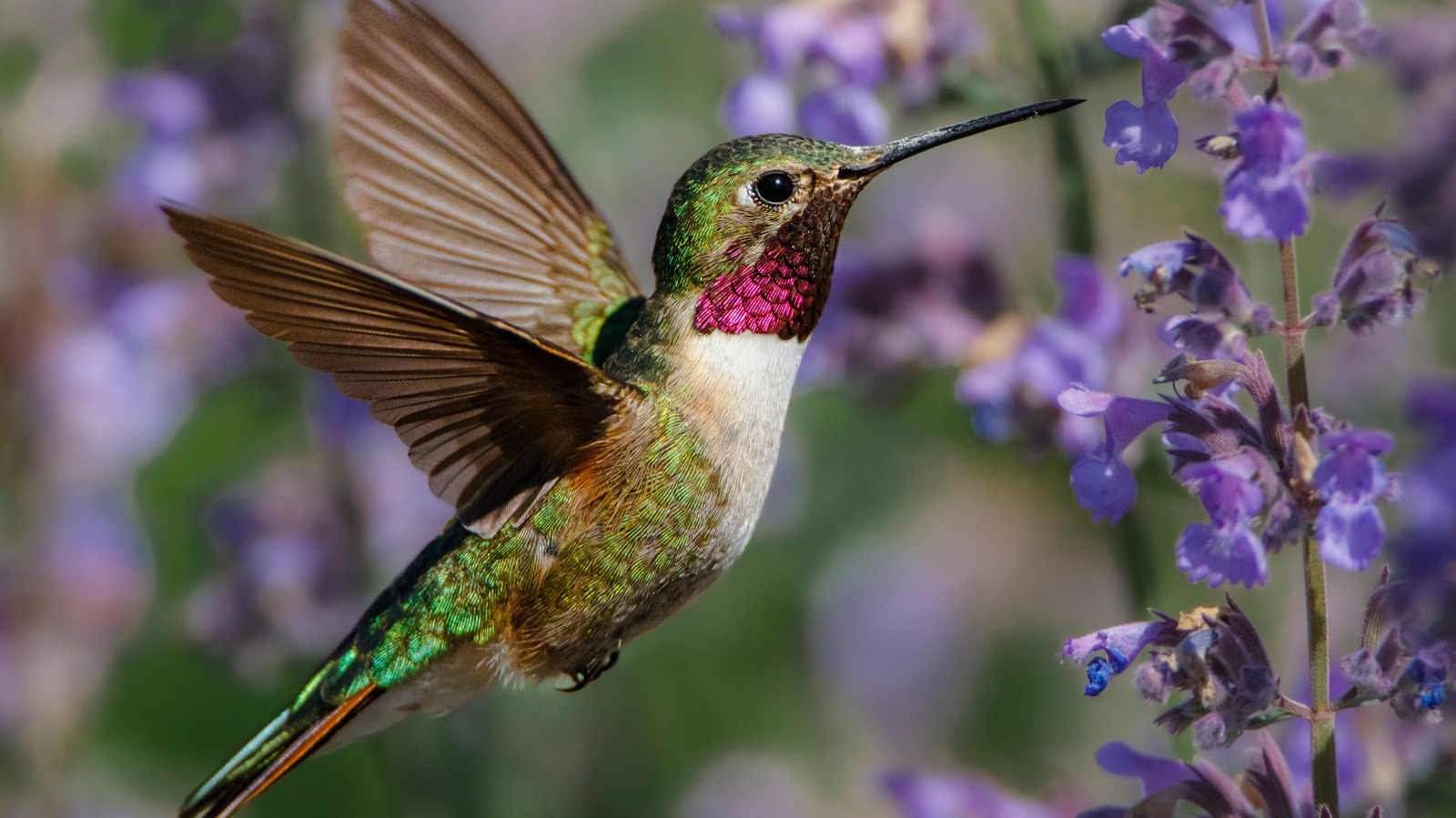
4 weeks agoBees and hummingbirds get trace alcohol from nectar
A study by researchers at the University of California Berkeley has found that ethanol is surprisingly common in floral nectar, the sugary fuel that keeps pollinators alive. Yeast feeding on those sugars produces trace amounts of alcohol, and in this study, it showed up in 26 of the 29 plant species sampled.
Beer

London politics
fromwww.independent.co.uk
1 month agoMarket town pledges to save butterflies from shocking decline in UK first
Gillingham becomes the first UK local authority to commit to a nationwide challenge reversing butterfly population decline through habitat protection, pesticide elimination, and light pollution reduction.
fromwww.theguardian.com
1 month agoCountry diary: A wildflower display of astonishing richness | Mark Cocker
The fierce Maniot people were well described by Patrick Leigh Fermor in his book Mani (1958), but the region has been more recently celebrated in Charles Foster's brilliant The Edges of the World, published in January. In history the Mani was known variously for the relentless and sometimes centuries-long vendettas between its local clans, as a fertile recruiting ground for Mediterranean piracy and as an early outpost for Greek liberation from Ottoman rule.
History
OMG science
fromwww.theguardian.com
1 month agoButterflies crossing oceans, moths navigating by the stars: unravelling the mysteries of insect migrations
Insects, including butterflies and dragonflies, undertake massive long-distance migrations across continents and oceans, with trillions traveling annually over previously unknown routes.
fromwww.independent.co.uk
1 month agoBees can breathe underwater for a week, scientists discover
This study started from a discussion with my co-author and postdoctoral researcher, Sabrina Rondeau, whose recent findings showed that these queens can survive submersion for over a week, which is extraordinary for a terrestrial insect. We wanted to understand how that's even possible.
Science
London food
fromwww.theguardian.com
1 month agoPlant a blossom tree in your garden and feel its magic for years to come
Blossom trees provide year-round garden interest with spring flowers and autumn foliage color, requiring minimal maintenance while offering enduring beauty and seasonal celebration opportunities.
Photography
fromThe Verge
1 month agoBirdbuddy's AI-powered hummingbird feeder is matching its best price to date
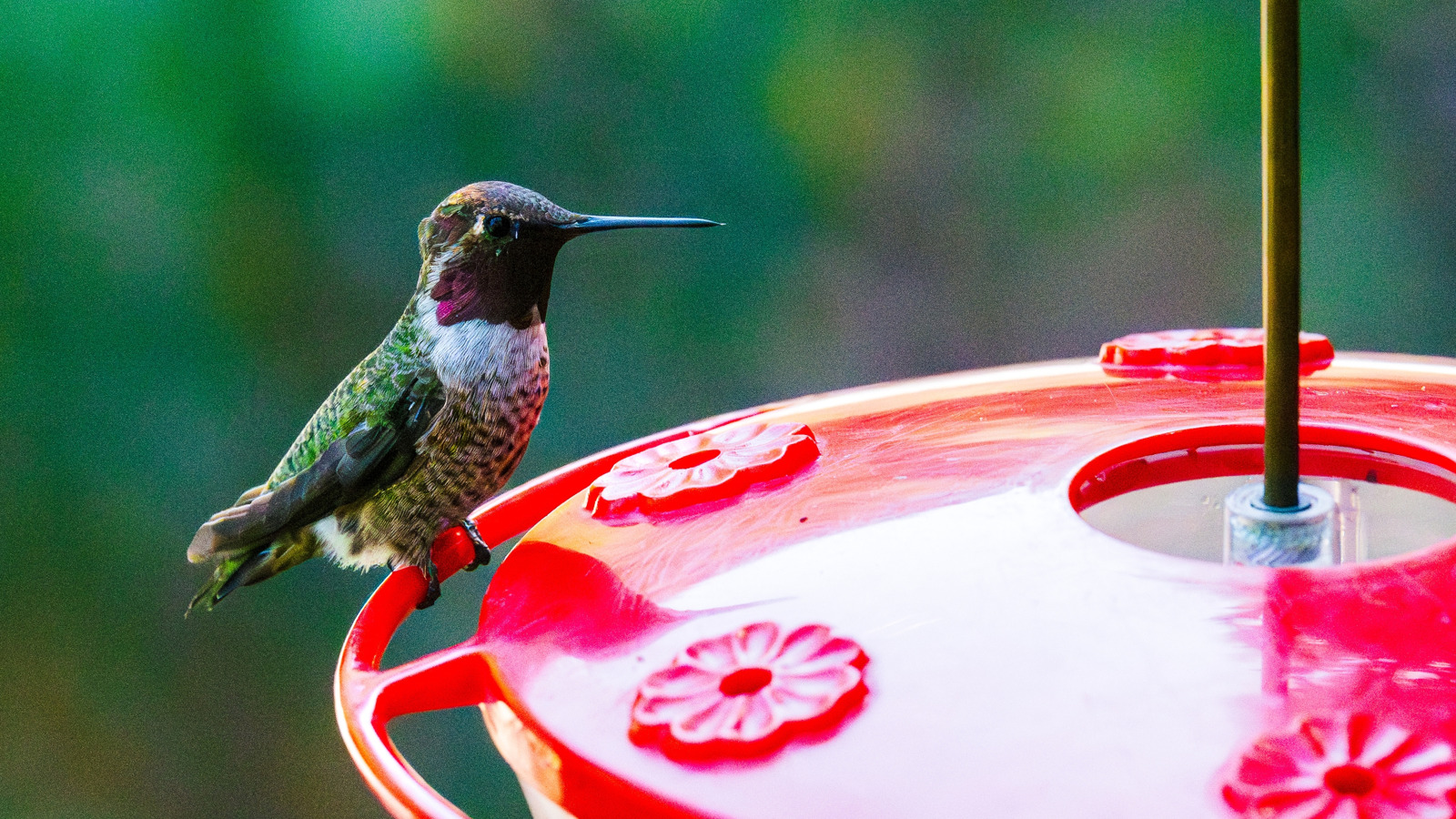
Birdbuddy's Smart Hummingbird Feeder Pro Solar uses AI-powered camera technology to identify bird species, capture high-quality video, and track individual birds through a companion app, now available at $189.
fromFlowingData
1 month agoBird search patterns
A comprehensive analysis of Google search patterns related to birds explores what species people seek information about most frequently. The investigation spans six interconnected analyses examining bird variety, taxonomic classifications, information sharing behaviors, birder sighting correlations with search trends, regional popularity differences across states, and temporal patterns in search interest.
Data science
fromwww.theguardian.com
1 month agoSmall changes in how we garden can make a big difference to birds | Letter
Around a third of UK gardeners use pesticides, and our studies found that house sparrow numbers, for example, were nearly 40% lower in gardens where the pesticide metaldehyde was used. By reducing pesticide use, you can actively encourage birds back into your outdoor spaces, as they rely on invertebrates such as slugs and snails as natural prey.
Pets
Agriculture
fromwww.theguardian.com
1 month agoCountry diary: Daffodils and chiffchaffs are here, the wet months behind us | Virginia Spiers
Spring transforms an abandoned market garden orchard into a landscape of blooming daffodils, fruit tree blossoms, and returning wildlife, revealing seasonal changes in light, warmth, and natural activity.
fromwww.theguardian.com
2 months agoRare butterflies bounce back after landowners in Wales cut back on flailing hedges
Conservationists have now persuaded landowners to cut hedges in a more gentle rotation, with sections left uncut for up to three years, to enable more eggs to survive over winter. The caterpillars emerge with the foliage in spring and hatch into adult butterflies in July. The brown hairstreak is difficult to spot as a butterfly but every winter volunteers assess its populations by counting its minuscule cream-coloured eggs, which with careful searching are visible on the bare branches of blackthorn.
Environment


[ Load more ]