World politics
fromwww.dw.com
3 hours agoSpain, Brazil, Mexico vow to boost Cuba aid amid US threats
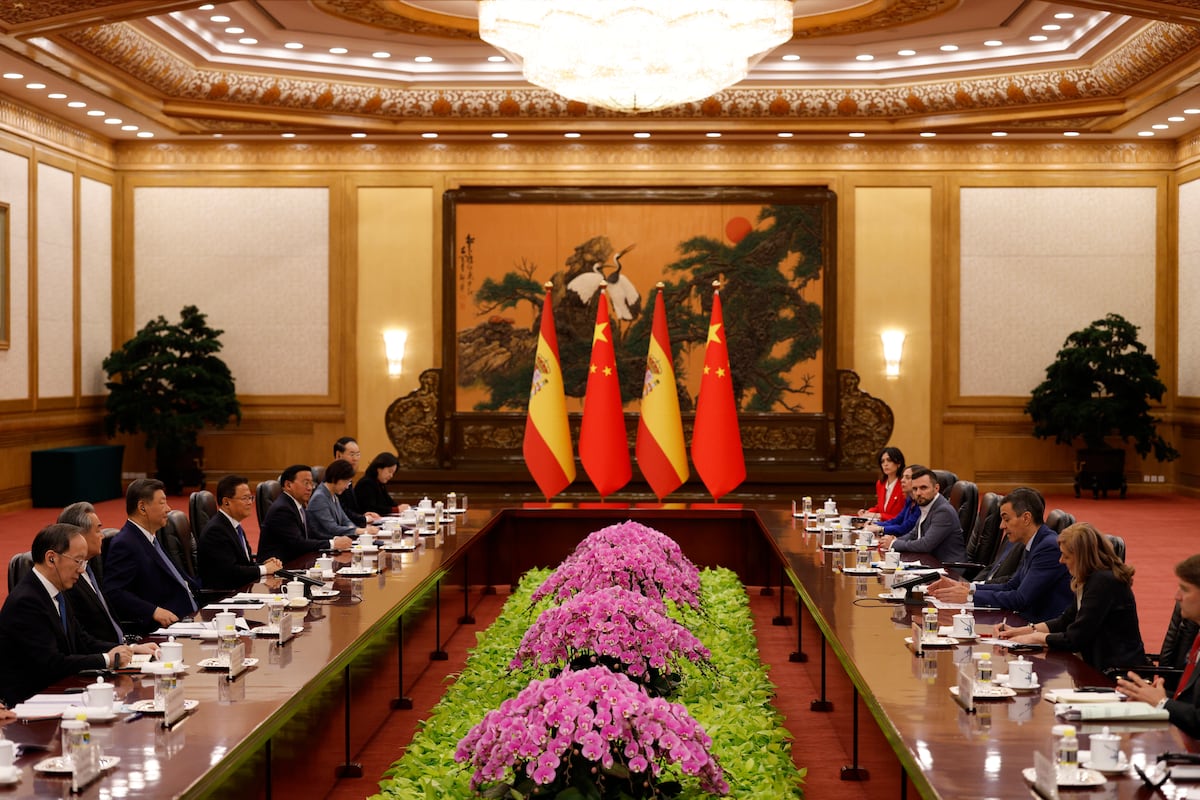
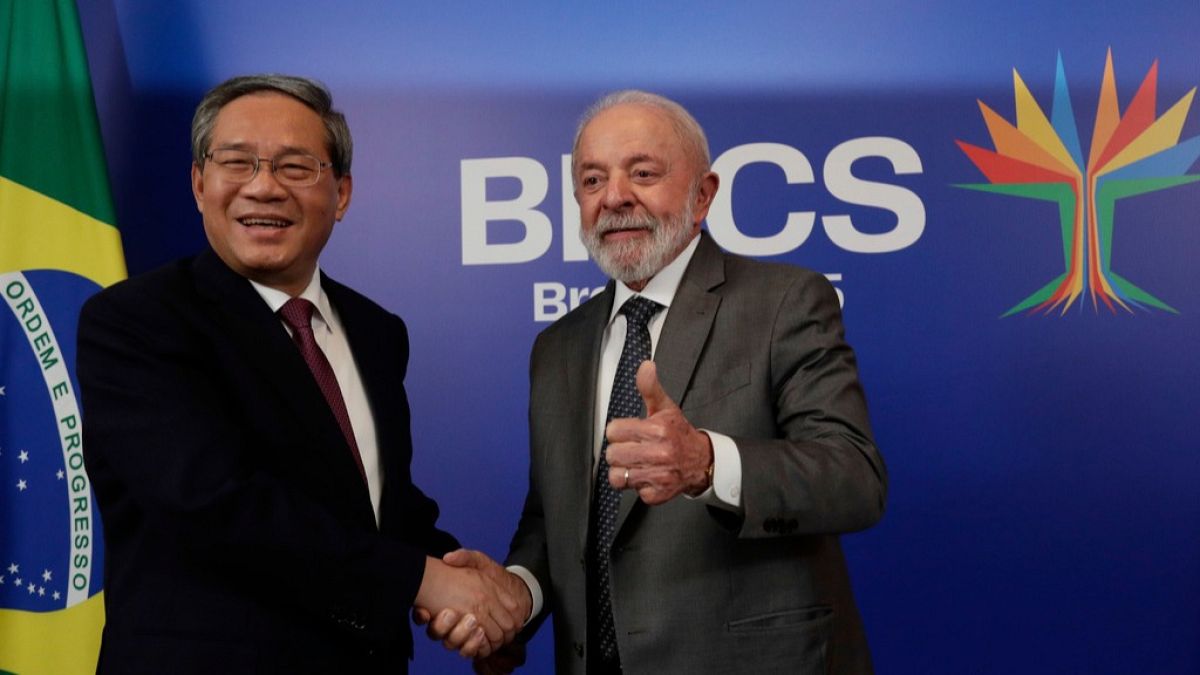
Spain, Brazil, and Mexico are increasing aid to Cuba, citing a humanitarian crisis caused by the US blockade.
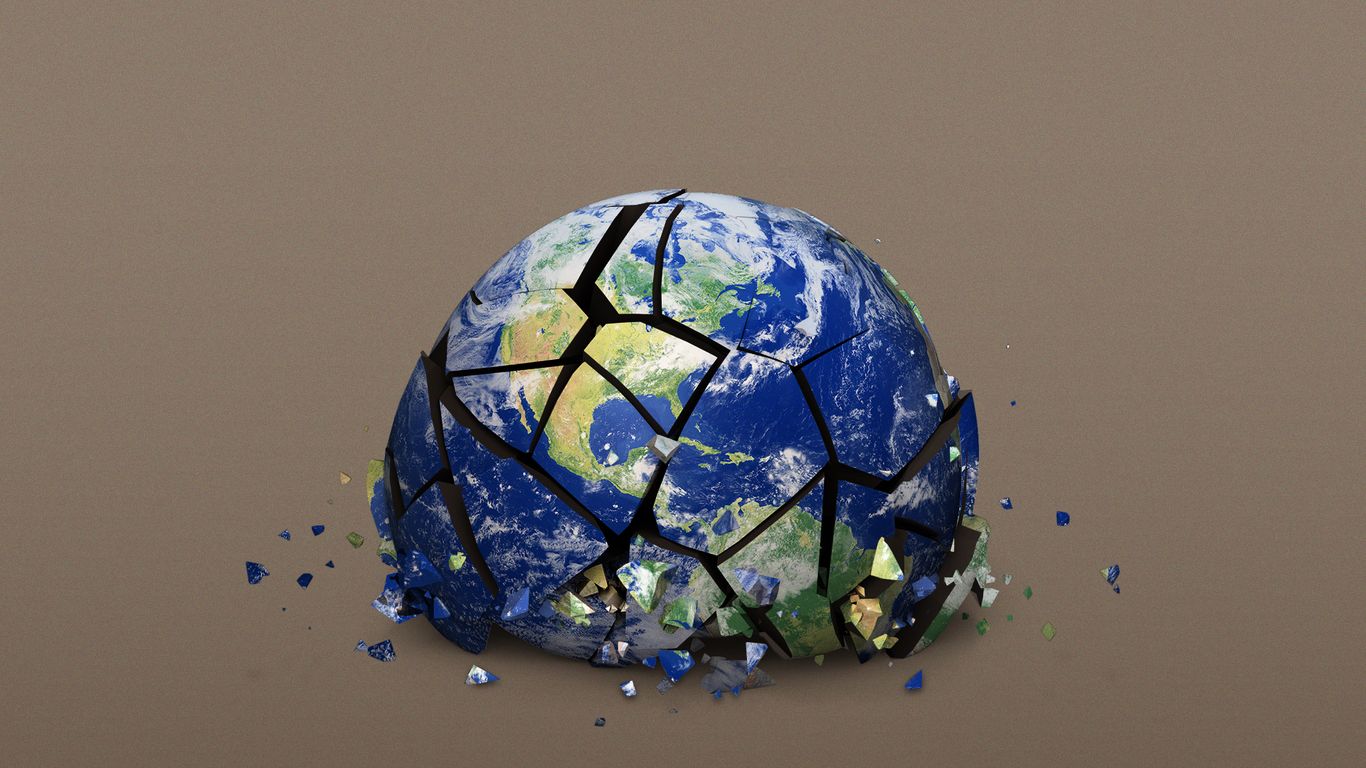
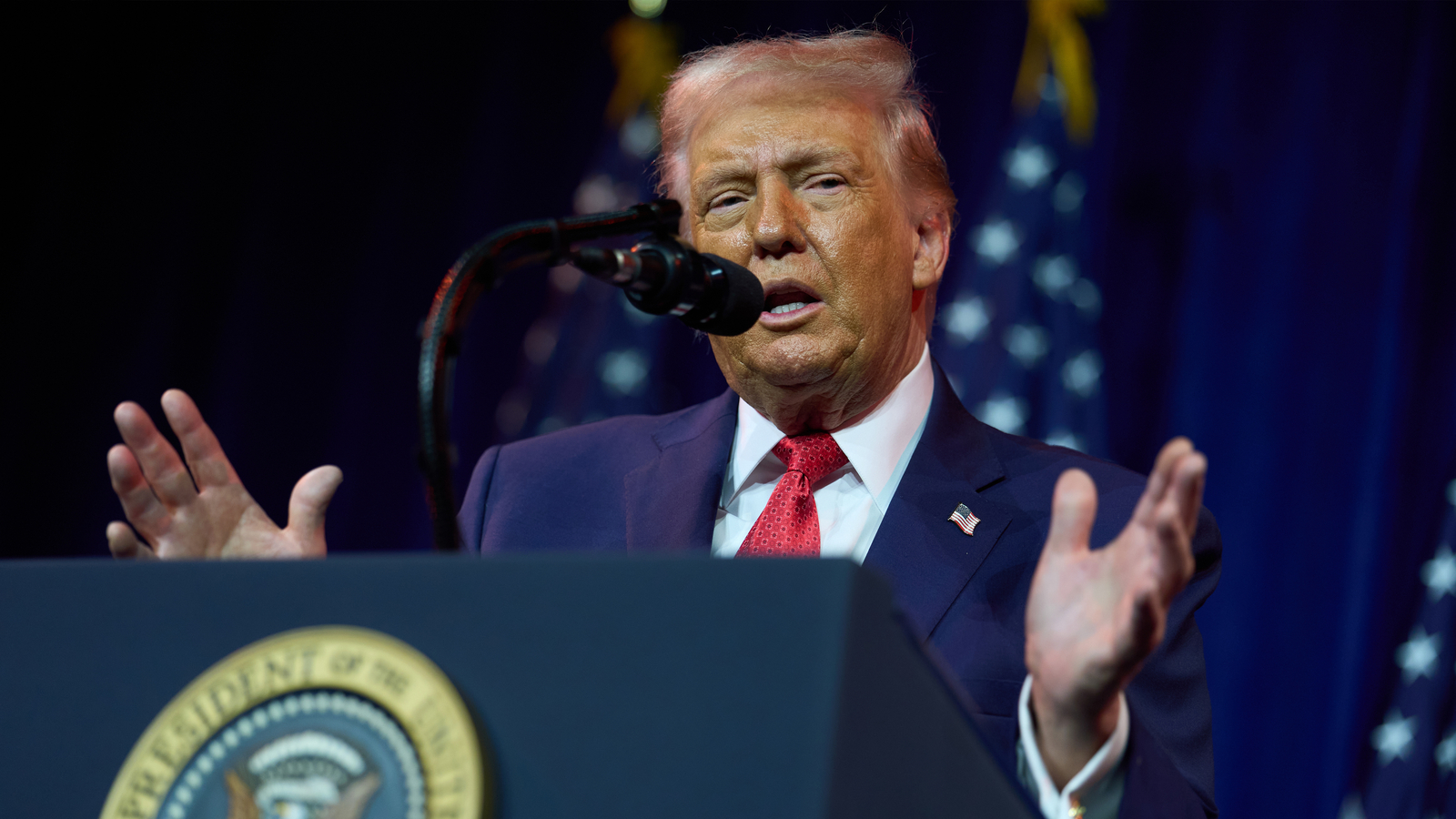
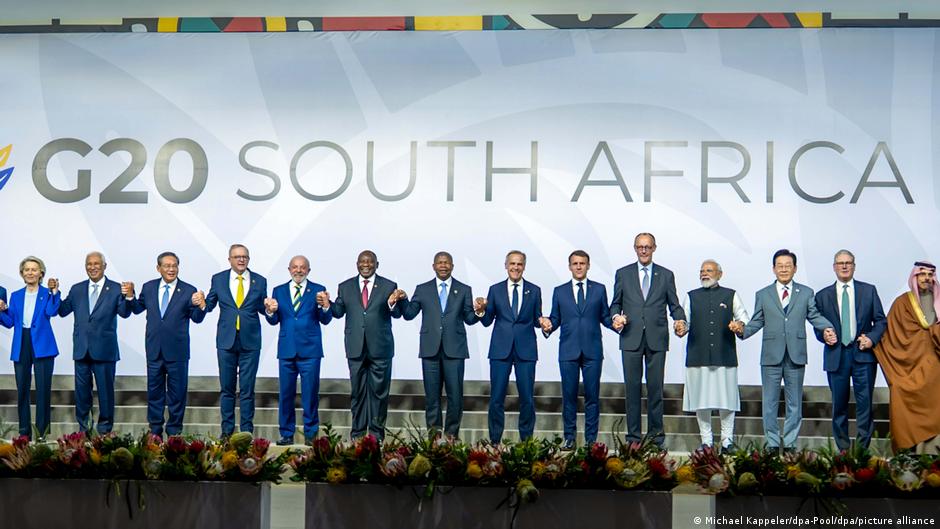
World leaders, rattled by Donald Trump's latest gambit in Greenland, look to present a united front at the World Economic Forum. As world leaders, including allies of the United States, gather in the Swiss resort city of Davos for the World Economic Forum (WEF), US President Donald Trump's attacks on the existing global world order have been on the top of their minds with Canadian Prime Minister Mark Carney saying the US-led global system is enduring a rupture.
"Canadians know that our old, comfortable assumption that our geography and alliance memberships automatically conferred prosperity and security is no longer valid," Carney said. As it grapples with this new dynamic, Carney said Canada must be "principled and pragmatic" and turn inward to build up the country and diversify trading relationships to become less reliant on countries like the U.S., now that it's clear "integration" can lead to "subordination."
Grynspan, who is the current secretary-general of United Nations Trade and Development (UNCTAD), faces a long and intense campaign that will take her around the world for months. In a London hotel cafe, surrounded by papers and sitting in front of her laptop, while bland, unsolicited music plays in the background typical of a Sunday afternoon she speaks to EL PAIS.
A new survey by the reputable Canadian pollster Angus Reid finds that only 27 percent of Canadians regard the United States as a "friend" or "ally." Almost half, 46 percent, regard the U.S. as a "potential threat" or "enemy." More Canadians say they are concerned about the threats posed by the U.S. than they are about China (34 percent) or India (24 percent)-even though Indian nationals have been charged with allegedly assassinating a Sikh separatist on Canadian soil.
New Zealand's foreign mininster discusses the decision not to recognise a Palestinian state, shifting geopolitical alliances, and diplomacy. In a shifting world order, New Zealand's foreign policy faces new tests, from Gaza to the Pacific. Foreign Minister Winston Peters speaks to Talk to Al Jazeera about why his government has stopped short of recognising a Palestinian state, how small nations can stay neutral amid the United States-China rivalry, and whether multilateralism still protects the weak from the will of the powerful.
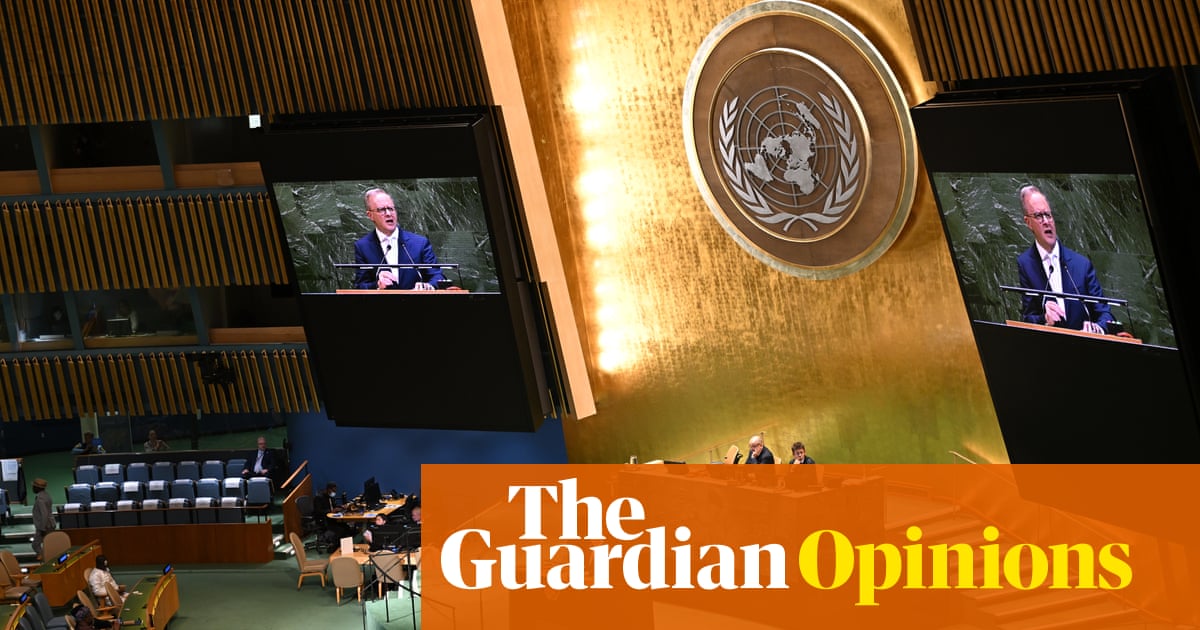
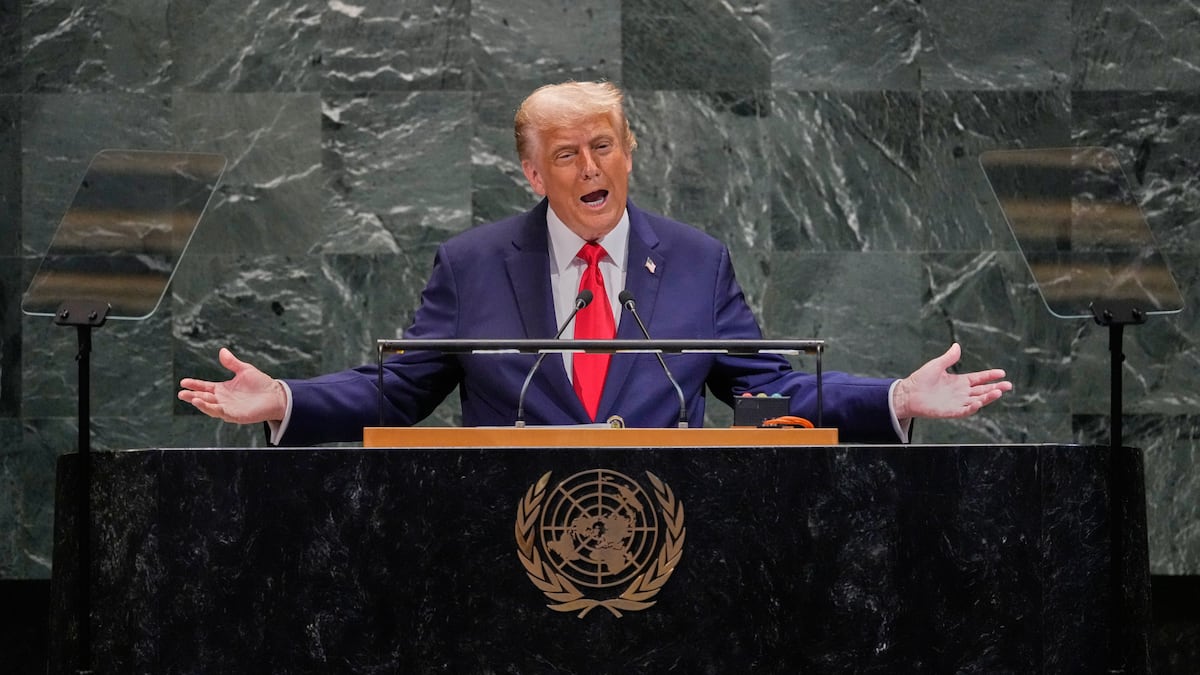
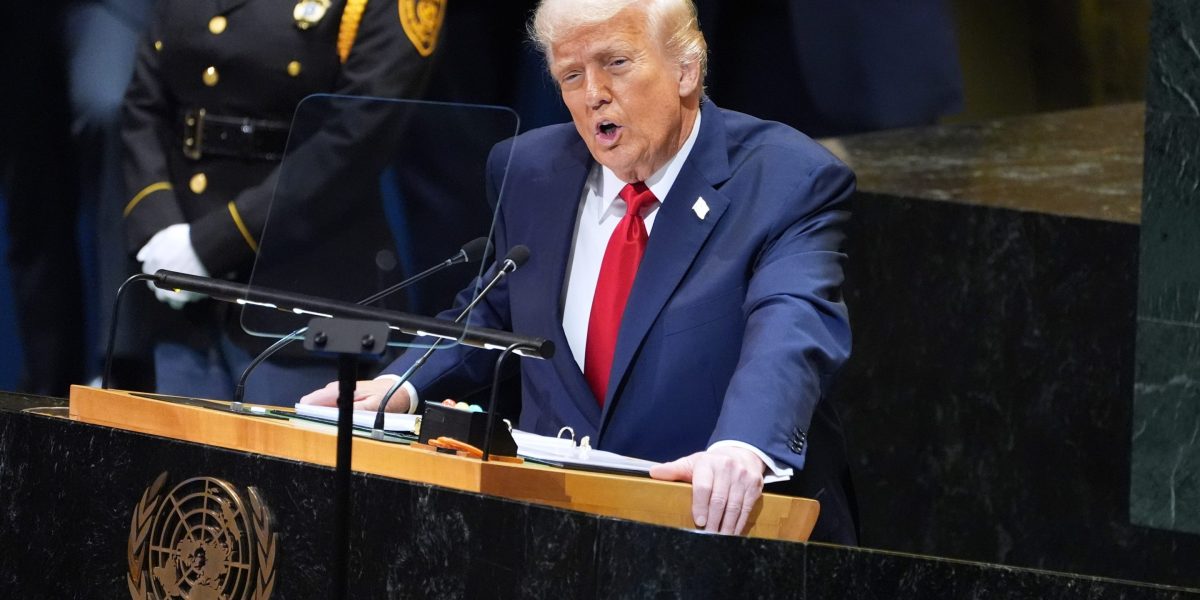
Such is the gravitational pull cast by Donald Trump and the US economy that the politics of the other 192 countries that make up the United Nations are rapidly being reduced to one long discussion about how to relate to, and challenge this ever darker and weirder presidency. Before Trump's extraordinary 58 minute speech on the supposed threats posed by open borders, sharia law, the UN's failings and the climate hoax,
For decades after the end of World War II, the phrase "liberal international order" was often associated with a few things: globalization, multilateralism, and a rules-based global system anchored by U.S. leadership.
This means, and our data clearly shows this, that we need to make every dollar count. We've got to make sure that the money really hits the ground in the most effective way possible and that we leverage it as much as possible to draw in additional private resources.
UN Secretary-General Antonio Guterres emphasized the need for nations to transition from exploiting ocean resources to protective measures, urging bold commitments for sustainability by 2030.