#us-foreign-policy
#us-foreign-policy
[ follow ]
#iran #middle-east-conflict #iran-conflict #strait-of-hormuz #trump-administration #iran-war #donald-trump
US Elections
fromenglish.elpais.com
8 hours agoRuben Gallego, Democratic senator: Marco Rubio is obsessed with Cuba, but it is not a threat to the US'
Military force for regime change in Latin America and elsewhere is opposed, with failures cited in Venezuela and concerns about future costs in elections.
#gaza-reconstruction
Non-profit organizations
fromwww.mediaite.com
2 days agoTrump's Official Board of Peace' Fund Is Empty But Dollars Are Moving Beyond Public Oversight: FT
The Gaza reconstruction board’s official World Bank fund has received no money despite major pledges, while funds reportedly moved through a less transparent JPMorgan account.
World news
fromwww.theguardian.com
17 hours agoTrump administration deported 21,000 to places US calls too dangerous to visit
The Trump administration deported thousands of Iranians and other people to countries deemed unsafe, often without criminal convictions, amid plans for military action against Iran.
fromIrish Independent
1 day agoIran war: How 'Little' Marco Rubio embraced Trump's inner circle and why he may dethrone him
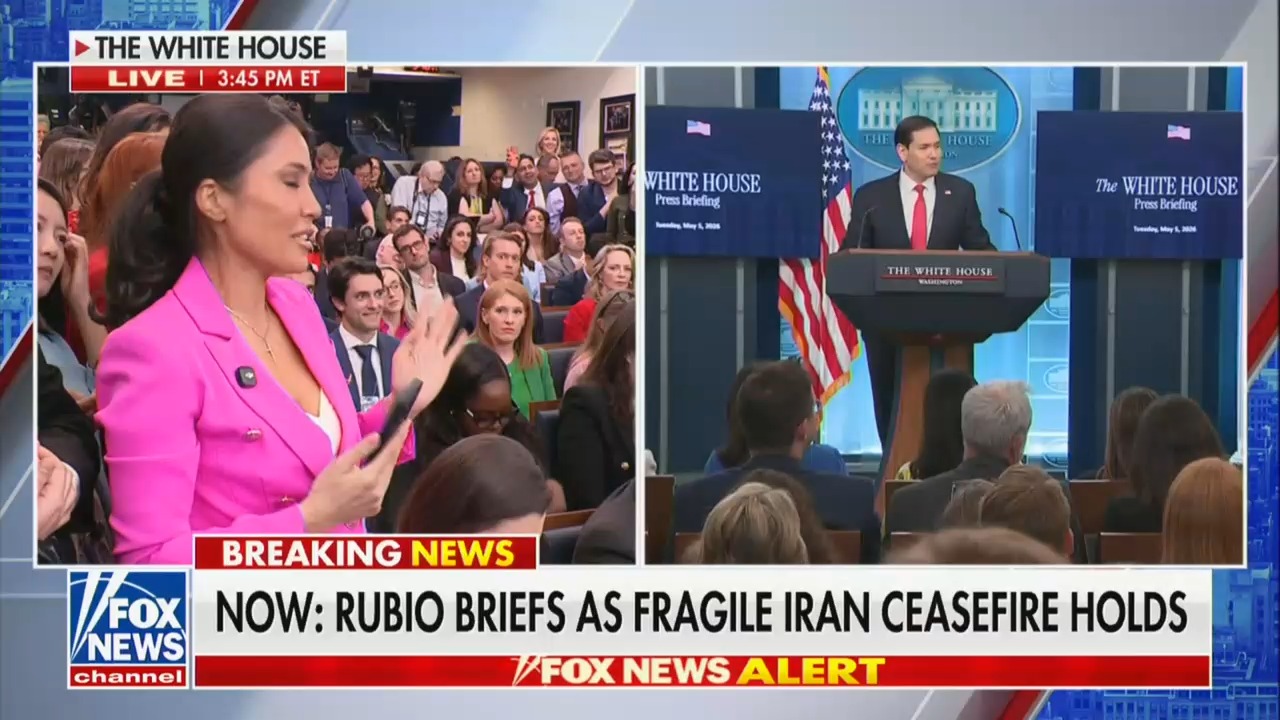
It’s been well over a month since April 8, when Donald Trump announced a ceasefire in Iran, but now that truce appears to be under real strain. This week, tensions between the US and the Middle Eastern country have escalated, with both sides exchanging strikes just as a possible breakthrough in peace talks seemed imminent.
World news
#democratic-party
Left-wing politics
fromwww.mediaite.com
2 weeks agoFetterman Warns the Base of the Democratic Party is Becoming Increasingly Anti-American'
The Democratic Party’s shift toward anti-American socialism and foreign-aligned positions has changed, while personal views on rights and capitalism have remained largely consistent.

US Elections
fromwww.mediaite.com
2 days agoFantastic Job!' Trump Gushes Over Marco Rubio at Cabinet Meeting Amid 2028 Talk
Trump praised Marco Rubio at a Cabinet meeting and asked about Iran, while Rubio emphasized diplomacy and other options.
A survey shows Rubio leading among Republicans for a 2028 presidential nomination, with JD Vance second and Ron DeSantis third.
Commentary suggests Rubio’s improved likability and performance could make it difficult for Vance to win against him in 2028.
#iran-war
Right-wing politics
fromwww.mediaite.com
3 days agoTrump Cabinet Member Fawns Over President for Getting Middle Eastern Leaders on Phone on a Holiday That They Don't Celebrate
President Trump was credited with arranging calls with Middle Eastern leaders to advance peace and prosperity, improving expectations for the U.S. and world economy.
fromwww.aljazeera.com
3 days agoUS Senate confirms veteran naval officer Frank Garcia as top Africa envoy
The US Senate this week confirmed veteran naval officer Frank Garcia as Assistant Secretary of State for African Affairs, ending a vacancy in Washington's top Africa-focused diplomatic post that lasted more than a year. The approval came as part of a wider bloc vote covering 49 nominees put forward by the Trump administration. The role is the most senior US diplomatic position in Africa, overseeing Washington's foreign policy and managing relations with all 54 African states.
Washington DC
fromwww.mediaite.com
3 days agoStephen Miller's Wife Slams Politico's German Owners for Anti-American Propaganda' on US Military
Katie Miller accused Politico of pushing anti-American propaganda about the U.S. Military on Tuesday morning and pointed out the Washington, D.C.-focused site is owned by a German media giant. Miller the wife of President Donald Trump's longtime adviser Stephen Miller bashed the outlet in an X post. She was responding to an opinion article that said America has the most powerful military in human history. It also hasn't won a war in more than 30 years. She didn't like that slant.
Right-wing politics

fromwww.aljazeera.com
1 week agoCan Venezuelan oil save India amid the Hormuz energy crisis?
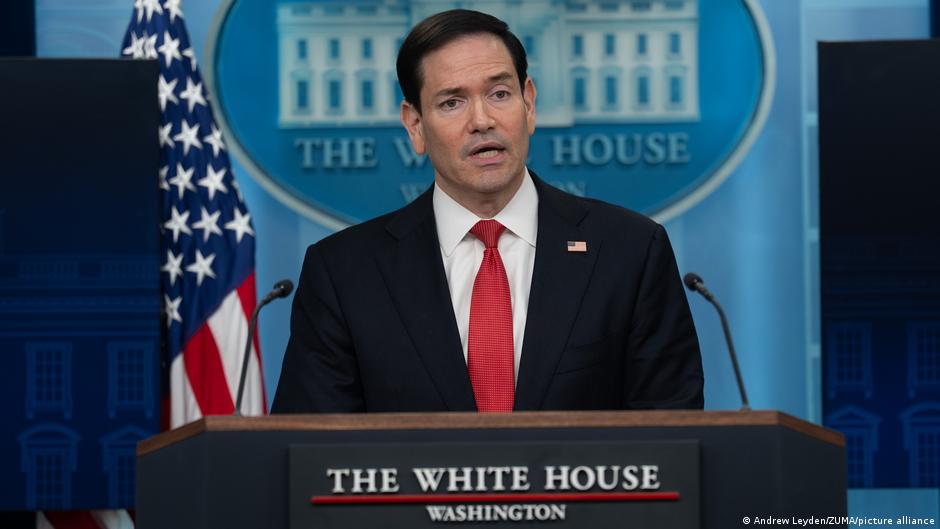
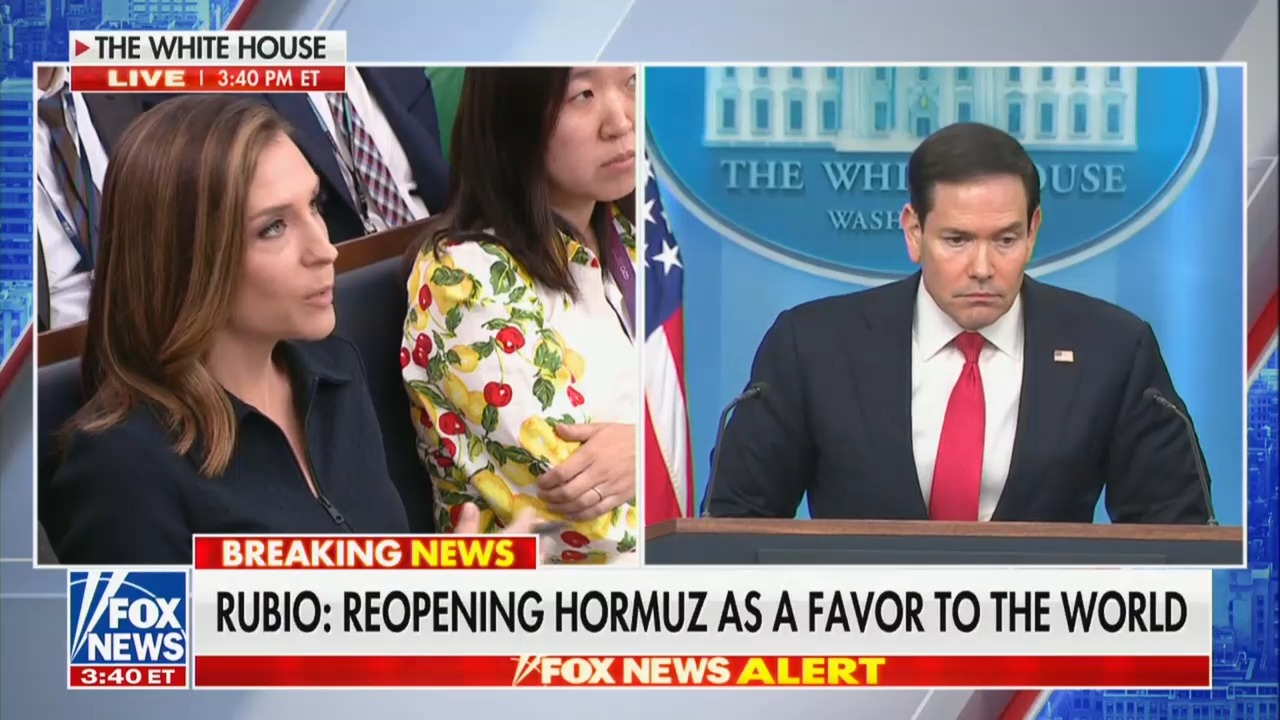
Venezuelan Acting President Delcy Rodriguez is expected to travel to India next week to discuss oil sales, United States Secretary of State Marco Rubio said. At an estimated 303 billion barrels of oil — about 17 percent of known global oil resources — the South American nation holds the world's largest reserves, larger even than those held by Saudi Arabia and the US, though years of US sanctions and government mismanagement had crippled production in Venezuela.
World news
fromwww.theguardian.com
1 week agoSouth Korea hosts America's biggest overseas military base but what does its future look like under Trump?
Camp Humphreys, located in the South Korean city of Pyeongtaek, is the largest American military base outside the US: 1,372 hectares (3,390 acres), nearly a thousand buildings and with a population of roughly 41,000, including American service members, their families and Korean nationals. It serves as headquarters for United States Forces Korea (USFK), the clearest physical expression of the alliance between Washington and Seoul that has underpinned stability on the Korean peninsula since the Korean war ended in an armistice in 1953.
Washington DC
Europe politics
fromLondon Business News | Londonlovesbusiness.com
1 week agoTrump did not save Ukraine, he helped create the chaos Putin exploited - London Business News | Londonlovesbusiness.com
Russia’s actions in Ukraine predate 2022, while Trump’s record shows ambiguity toward Putin and NATO rather than exceptional support for Ukraine.
Washington DC
fromwww.theguardian.com
1 week agoSpooks hotel': inside the five-star nerve centre of the US takeover of Venezuela
US officials, diplomats, and marines operate from a Caracas luxury hotel as a de facto embassy to influence Venezuela’s political and economic direction after Maduro’s abduction.
fromwww.aljazeera.com
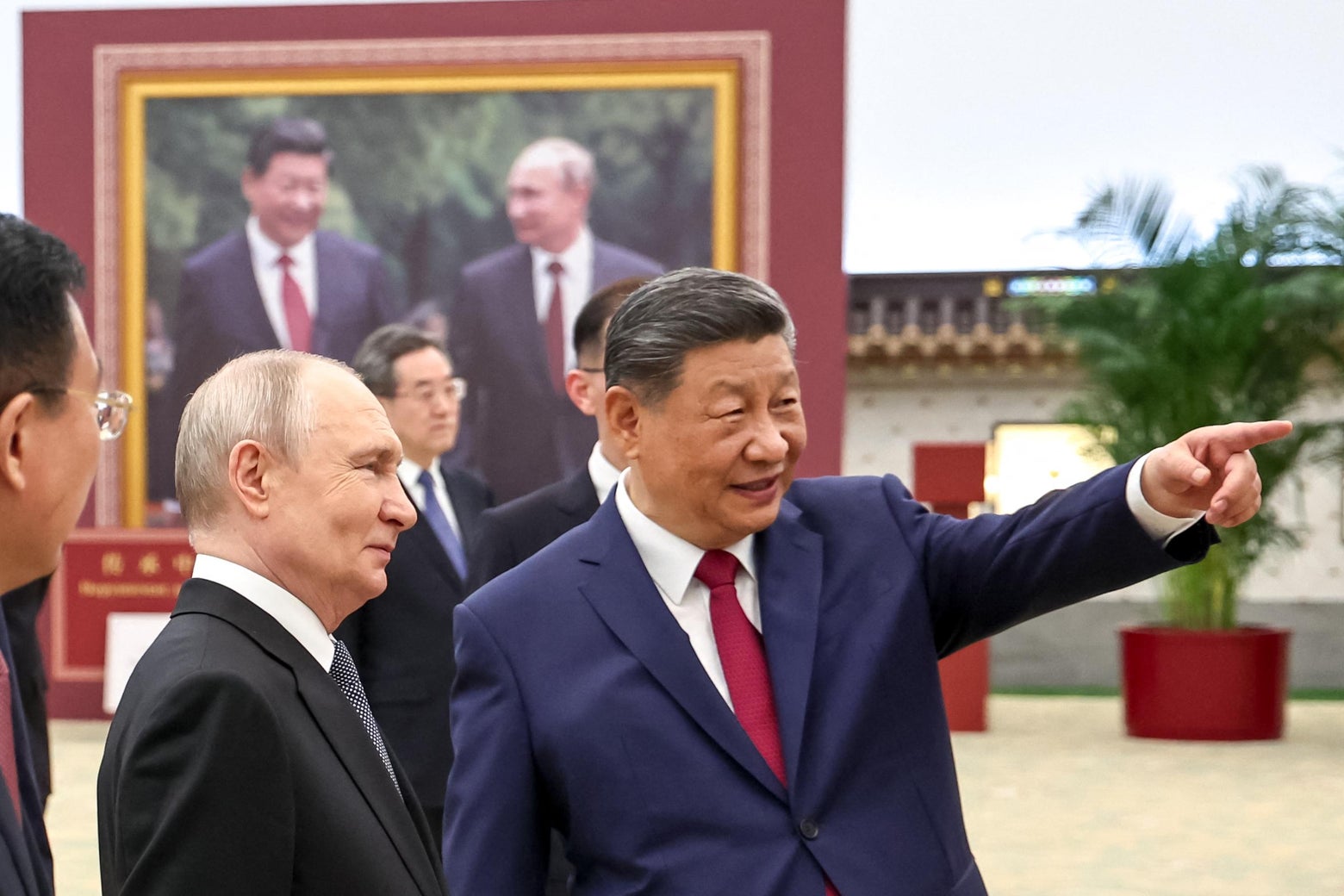
1 week agoChina-Russia relations are as strong as ever thanks to Trump
Continuing exports of Chinese parts and technology have also helped Russia's military industry keep up with demand from the front line in Ukraine. Beijing and Moscow may have a strong economic relationship, but what really unites them at the moment is their shared analysis of the US-led West and the danger it poses to the rest of the world.
World politics
Right-wing politics
fromwww.mediaite.com
1 week agoWe All Know What This Is About': NYT's David Sanger Blasts Trump Treason' Accusation As Effort To Intimidate'
Calling reporting on Iran treason is an attempt to intimidate news organizations, while reporting remains a core First Amendment responsibility.

fromThe Nation
2 weeks agoTo Build the Anti-War Movement of the Future, We Must Learn From the Past
During a phone call on a warm day in August 2002, the two of us came to an unmistakable conclusion: This bastard is going to take us into war with Iraq! The "bastard," of course, was then President George W. Bush, who was in the midst of an aggressive propaganda campaign about the alleged danger posed by Saddam Hussein's weapons program.
World politics
fromwww.theguardian.com
2 weeks agoIn the 1979 hostage crisis, why did Iran free 10 Black Americans before the others?
On 4 November, a student demonstration outside the US embassy in Tehran erupted into an all-out assault on the compound, and 66 Americans were taken hostage. It was the culmination of decades of tension, beginning with the US and Britain's role in installing the Shah of Iran to safeguard energy interests, and ending with a popular uprising that toppled his oppressive regime and drove him into exile.
World news
#trump
Russo-Ukrainian War
fromLondon Business News | Londonlovesbusiness.com
4 weeks agoAllies stunned as Trump repeats Moscow's line on Ukraine - London Business News | Londonlovesbusiness.com
Trump's statements post-call with Putin raised concerns about U.S. foreign policy and blurred critical geopolitical issues.
Europe politics
fromwww.theguardian.com
3 weeks agoThe Guardian view on Trump, Merz and Europe's security: EU countries cannot go it alone | Editorial
Donald Trump's administration is increasingly frustrated with European leaders, threatening trade and military support amid declining poll ratings and foreign policy challenges.


fromIntelligencer
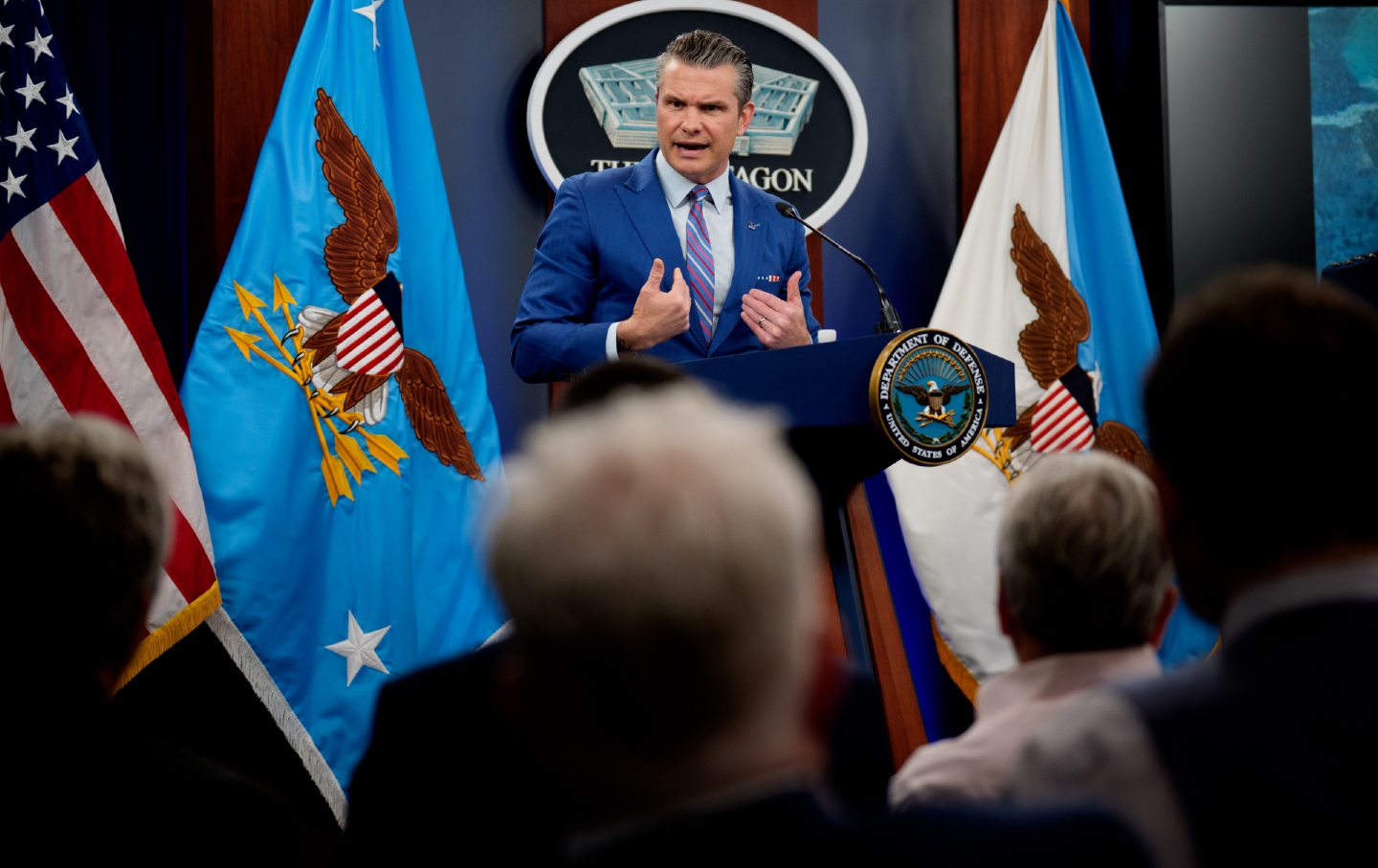
4 weeks agoNobody Embodies MAGA's Clownish Menace Like Pete Hegseth
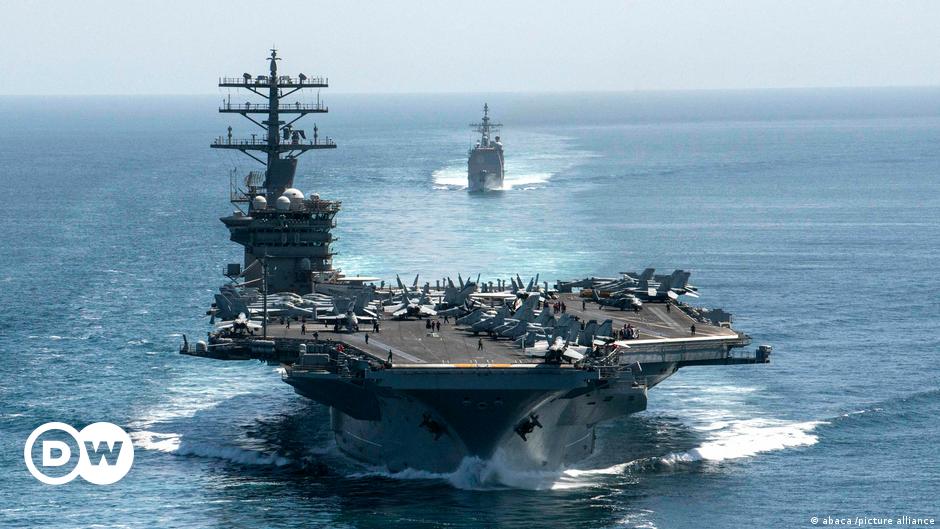
Hegseth isn't the architect of this conflict - that might be Benjamin Netanyahu - but he's the chief cheerleader, the face of the chaos and carnage. He's been unrepentant about the U.S. blowing up an Iranian school, and he refused to walk back a statement that the American military would allow 'no quarter, no mercy for our enemies.'
Right-wing politics
fromwww.dw.com
1 month agoWhy Ghana walked away from a US health deal
Ghana would not sign a multi-year deal, reportedly worth around US$109 million, because Ghana would have to waive key aspects of its health sovereignty. This includes sharing control over its health care decisions, data, and resources with US authorities.
Healthcare
fromwww.aljazeera.com
1 month agoHow the US-Israeli war is collapsing the sanctions regime on Iran
The over-reliance on punitive measures has led to their growing ineffectiveness, particularly evident in the context of the US-Israel war on Iran, which may further weaken the impact of US sanctions.
World politics
[ Load more ]