#medical-ethics
#medical-ethics
[ follow ]
#end-of-life-care #healthcare #reproductive-rights #brain-death #gender-dysphoria #assisted-dying-legislation


#assisted-dying-legislation
fromwww.bbc.com
1 week agoUK news
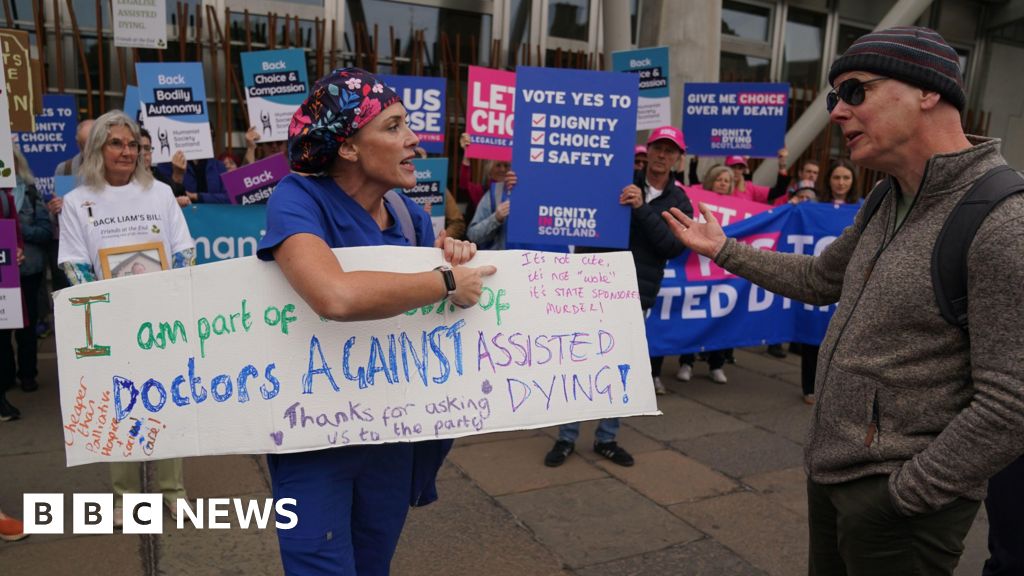
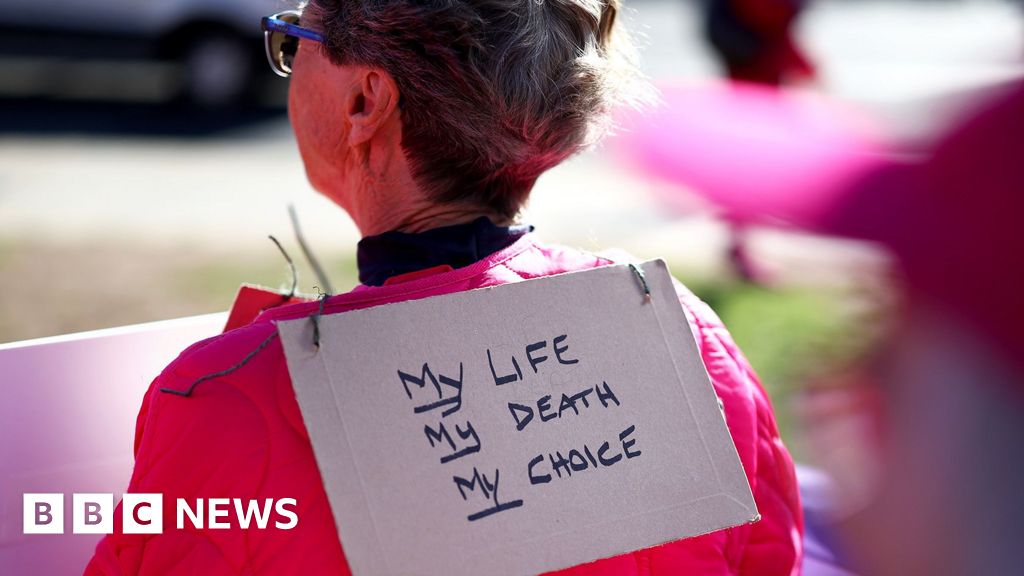
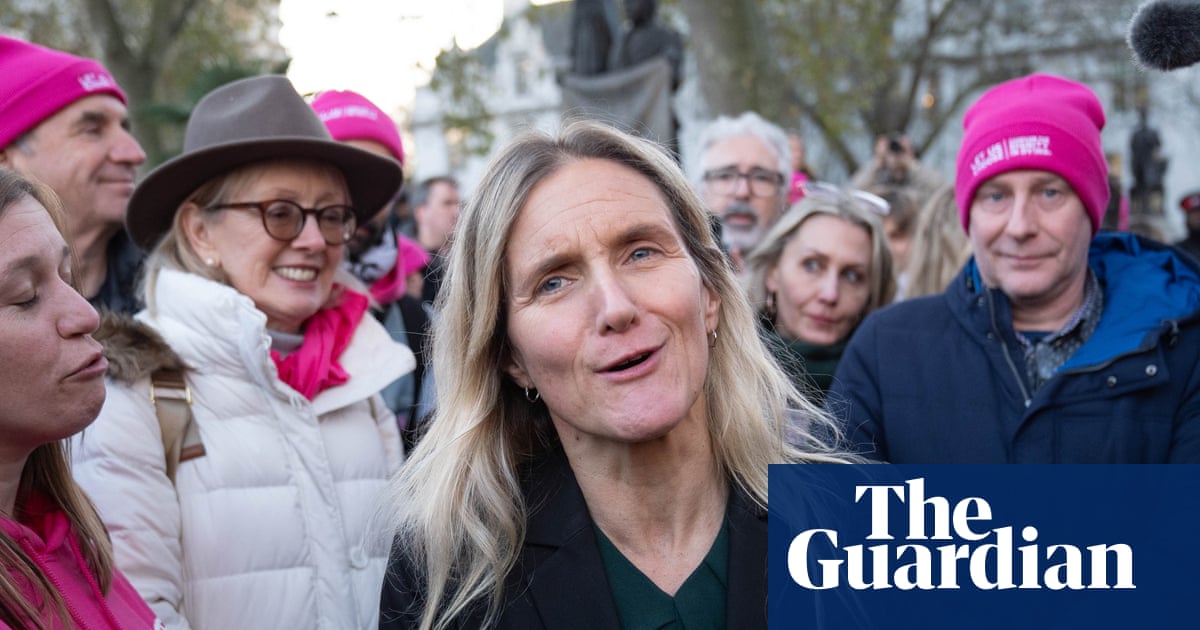
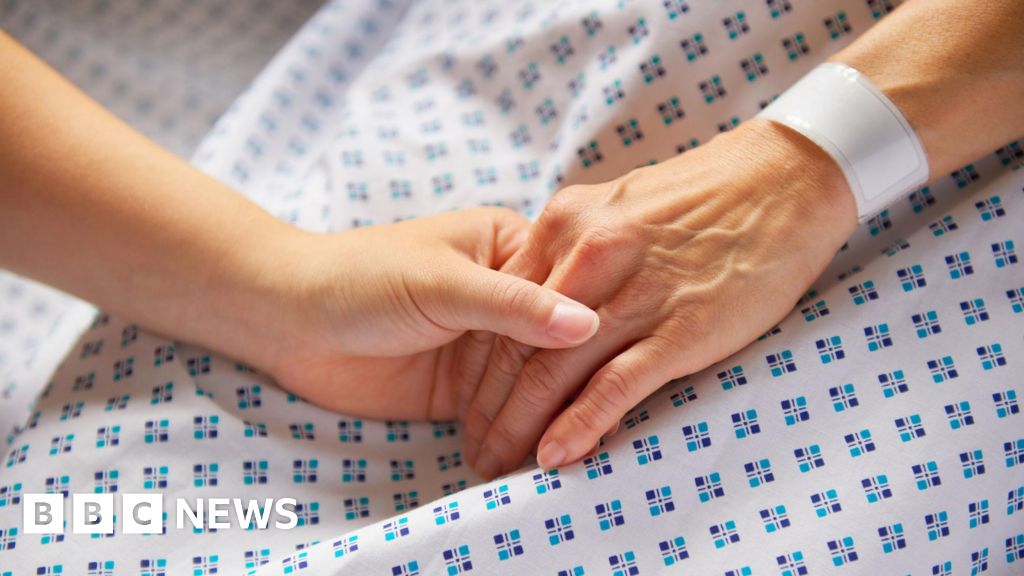
How could assisted dying laws change across the UK?
Jersey, Scotland, and England are voting on separate assisted dying bills with varying timelines and safeguards, while Isle of Man's passed legislation faces UK Ministry of Justice concerns over insufficient protections.
US politics
fromAdvocate.com
5 days agoTexas AG Ken Paxton says ban on gender-affirming care for trans kids also applies to talk therapy
Texas Attorney General Ken Paxton issued a legal opinion extending a ban on gender-affirming care for trans youth to mental health professionals, contradicting major medical organizations' guidance.
Public health
fromArs Technica
1 week agoMedical journal The Lancet blasts RFK Jr.'s health work as a failure
HHS Secretary Kennedy is politicizing major health agencies, undermining vaccine recommendations, funding unethical research, and abandoning critical disease monitoring and promising medical research.
fromFortune
1 week agoThe immortal life of Henrietta Lacks lawsuits gets a bit shorter with Novartis settlement | Fortune
Doctors at Johns Hopkins Hospital took Lacks' cervical cells in 1951 without her knowledge, and the tissue taken from her tumor before she died became the first human cells to continuously grow and reproduce in lab dishes. HeLa cells became a cornerstone of modern medicine, enabling countless scientific and medical innovations, including the development of genetic mapping and even COVID-19 vaccines, but the Lacks family wasn't compensated along the way despite that incalculable impact on science and medicine.
Healthcare



fromNew York Post
2 weeks agoSurgeon apologizes for his silence as young as 13 undergo gender reassignment surgeries at NYC hospital
"As a father to three young children and as a physician who took an oath to do no harm, I failed to speak up, and I just want to thank President Trump for having more clarity on this," Dr. Ira Savetsky said Thursday on "Fox & Friends." His expression of regret comes just days after the Manhattan hospital pulled the plug on its youth transgender treatment program after the Trump administration threatened to pull federal funding over the controversial medical care.
Public health
LGBT
fromPinkNews | Latest lesbian, gay, bi and trans news | LGBTQ+ news
2 weeks agoVictoria passes law protecting intersex kids from unneeded surgery
Victoria now bars non‑consensual, non‑medically necessary surgeries on intersex children and creates oversight, stricter guidelines, and support until individuals can consent.
Medicine
fromPinkNews | Latest lesbian, gay, bi and trans news | LGBTQ+ news
3 weeks agoDr Hilary Cass faces formal complaint over BBC interview
Dr Hilary Cass faces a formal GMC complaint alleging misleading, unsupported claims about gender-affirming care and lacking specialist expertise in transgender healthcare.
fromApaonline
1 month agoPhilosophy, Technology, and Mortality
This APA Blog series has broadly explored philosophy and technology with a throughline on the influence of technology and AI on well-being. This month's post brings those themes into focus recounting a vital Washington Post Opinion piece by friend of the APA Blog, Samuel Kimbriel. Samuel is the founding director of the Aspen Institute's Philosophy and Society Initiative and Editor at Large for Wisdom of Crowds. We collaborated on a Substack Newsletter about intellectual ambition, building on his essay, Thinking is Risky.
philosophy


fromPortland Mercury
1 month agoSAVAGE LOVE: The Roomies
You should do nothing. Absolutely nothing. Seeing as your childhood best friend's husband couldn't be bothered to hide his meds from his relatively new roommate - that would be you - we can safely assume he isn't hiding them from his husband. So, you can rest assured your childhood best friend knows what's up and you don't have a duty to warn him.
Medicine
fromwww.theguardian.com
1 month agoShould we sell our kidneys?
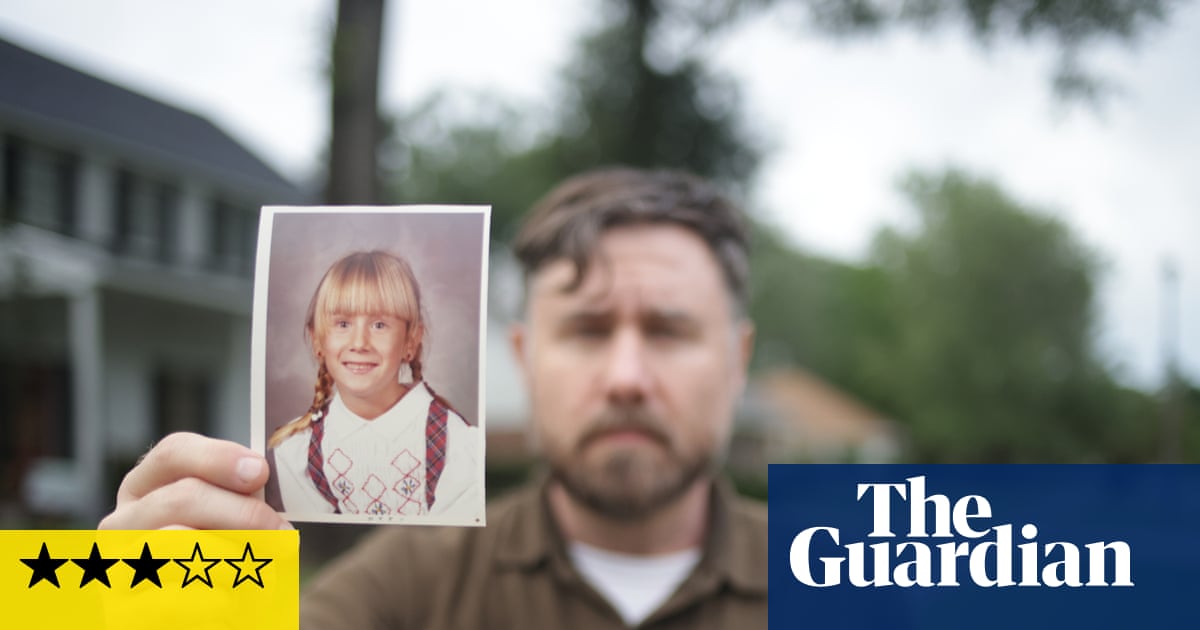
Right now, about 7,000 people are awaiting a kidney transplant in the UK. According to NHS figures, in 2024/25 only 3,302 adult kidney transplants were performed. The charity Kidney Research UK states that just 32% of patients receive a transplant within a year of joining the waiting list and six people die every week while waiting. People who experience kidney failure need either lifelong dialysis or a transplant to survive.
Public health

fromBusiness Insider
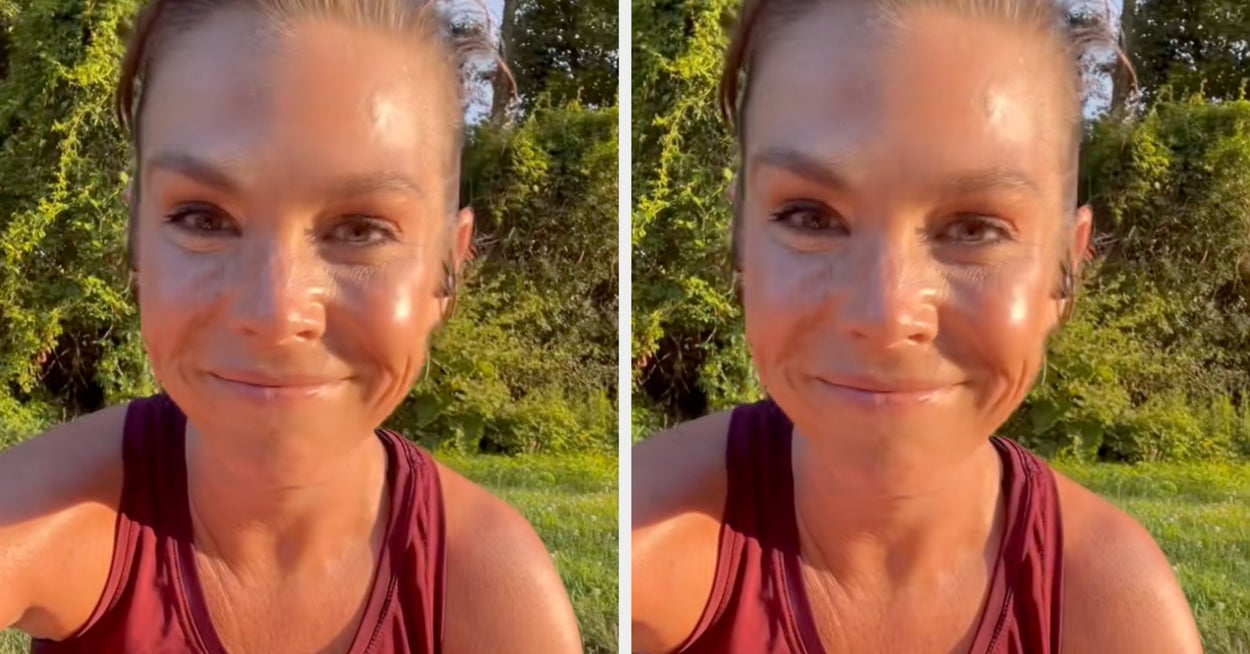
1 month agoMy daughter was 19 when she was hit by a car. I learned too late that I had no medical authority.
One afternoon during her senior year in 2017, my 18-year-old high schooler, Baylie Grogan, spoke to me in a serious tone. "The only thing worse than dying is living in a body that doesn't work," she said. "Promise me you won't ever let me live that way." It was shortly before she left home to start college as a pre-med student. "I promise," I replied, agreeing that such a predicament would be horrifying, and I wouldn't want it either.
Medicine
fromApaonline
2 months agoWhat is Clinical Medicine? What Should it Be?
Much attention has recently been given to discussing the effects, potential and actual, of artificial intelligence on clinical medicine. Many, like Sparrow & Hatherley, have begun anticipating and addressing the challenges arising from integrating AI into medicine, including concerns about privacy, bias, power, responsibility, trust, and empathy. Sometimes a dilemma is presented between, as Hatherley puts it, substitutionism and extensionism: either AI will surpass physicians in performing clinical tasks,
philosophy


fromThe New Yorker
3 months agoThe Psychic Conflicts of Oliver Sacks
The neurologist Oliver Sacks's early books, including "Awakenings" and "The Man Who Mistook His Wife for a Hat," established his reputation as unique literary voice and the avatar of a new medical outlook that considered a patient's life story and sense of self as being crucial to the treatment of a range of ailments. Yet, as Rachel Aviv reports in a rich and nuanced piece for this week's issue, Sacks privately expressed guilt about some of what he had written.
Books
fromNature
3 months agoA bothy among the stars
It took the last traces of Homo sapiens 10,000 desperate years to reach the semi-oxygenated rock orbiting Proxima Centauri. Widely known as a cosy bothy among the stars, it was a place where stellar ramblers in all their multitudes could pause and rest as they meandered the lightyears. They came in so many forms it took the humans a couple of decades to realize they weren't alone.
Books
fromThe Atlantic
3 months agoThe Commons: Canada Is Killing Itself
I had two sisters in their mid-90s who availed themselves of Canada's Medical Assistance in Dying program. Both were incapacitated; they had lost their dignity and were facing amputations or prolonged stays in the hospital with no hope of survival. They were subjected to multiple interviews making sure that they were lucid. Both died surrounded by their family and a multitude of friends. We celebrated their courage to leave their horrible situation with grace. Everyone in attendance stated that they hoped they would have the courage to do the same. I found the system to be run with sensitivity and efficiency. Reports about abuses are few and far between. Canada should be proud that people in unbearable pain can decide to die when life is intolerable.
Canada news
fromwww.theguardian.com
4 months agoGerman dentists hold memorial recognising sadistic practices of profession under Nazis
German dentists have offered a belated acknowledgment of their profession's brutal practices under the Nazis, admitting broad systemic involvement in crimes at concentration camps, including sadistic tooth extractions, human experiments, forced sterilisations and murder. Their central professional organisation, the German Society for Dental, Oral and Orthodontic Medicine (DGZMK), held its first memorial ceremony exposing the atrocities committed by dentists during the Nazi era and paying tribute to the victims, at Berlin's Humboldt University on Wednesday.
Germany news
fromArs Technica
4 months agoShould an AI copy of you help decide if you live or die?
For more than a decade, researchers have wondered whether artificial intelligence could help predict what incapacitated patients might want when doctors must make life-or-death decisions on their behalf. It remains one of the most high-stakes questions in health care AI today. But as AI improves, some experts increasingly see it as inevitable that digital "clones" of patients could one day aid family members, doctors, and ethics boards in making end-of-life decisions that are aligned with a patient's values and goals.
Artificial intelligence
fromwww.mediaite.com
5 months agoNurse Who 'Loved' Charlie Kirk Claims She Was 'Mind-Blown' By Sick Doctor Celebrating His Death
A New Jersey nurse told Fox News she was mind-blown when she witnessed a doctor she said was openly celebrating the murder of Charlie Kirk last week leading her to call the doc out on her Instagram account, which was a move that resulted in her being suspended without pay, she claims. Lexi Kuenzle shared the wild story during an appearance on Fox & Friends on Monday morning.
US politics
fromThe Nation
7 months agoIt's Time for Health Workers to Defy the Law-Again
In the Netherlands in 1943, more than 6,200 Dutch doctors -97 percent of the profession-refused orders to register with the Nazi-controlled Chamber of Physicians. This registry was intended to force doctors to cooperate with racial and ableist screening, deportations, sterilization, and euthanasia policies.
Public health
fromPinkNews | Latest lesbian, gay, bi and trans news | LGBTQ+ news
7 months agoDr Ranj Singh suffers from anxiety after 'horrific' online trolling by GP
"The impact on me was extremely upsetting and damaging. I now suffer from anxiety and am seeing a therapist due to the abhorrent things Dr Cartland said about me. My reputation is everything. This has been a horrific experience."
Mental health
fromwww.theguardian.com
8 months agoParamedic jailed for 10 years for secretly giving woman abortion drug during sex
Stephen Doohan, a paramedic, secretly inserted an abortion drug into a woman's vagina during sex, resulting in a 10-year prison sentence for sexual assault and abortion-related crimes.
Health


fromThe Atlantic
8 months agoThe Liberal Misinformation Bubble About Youth Gender Medicine
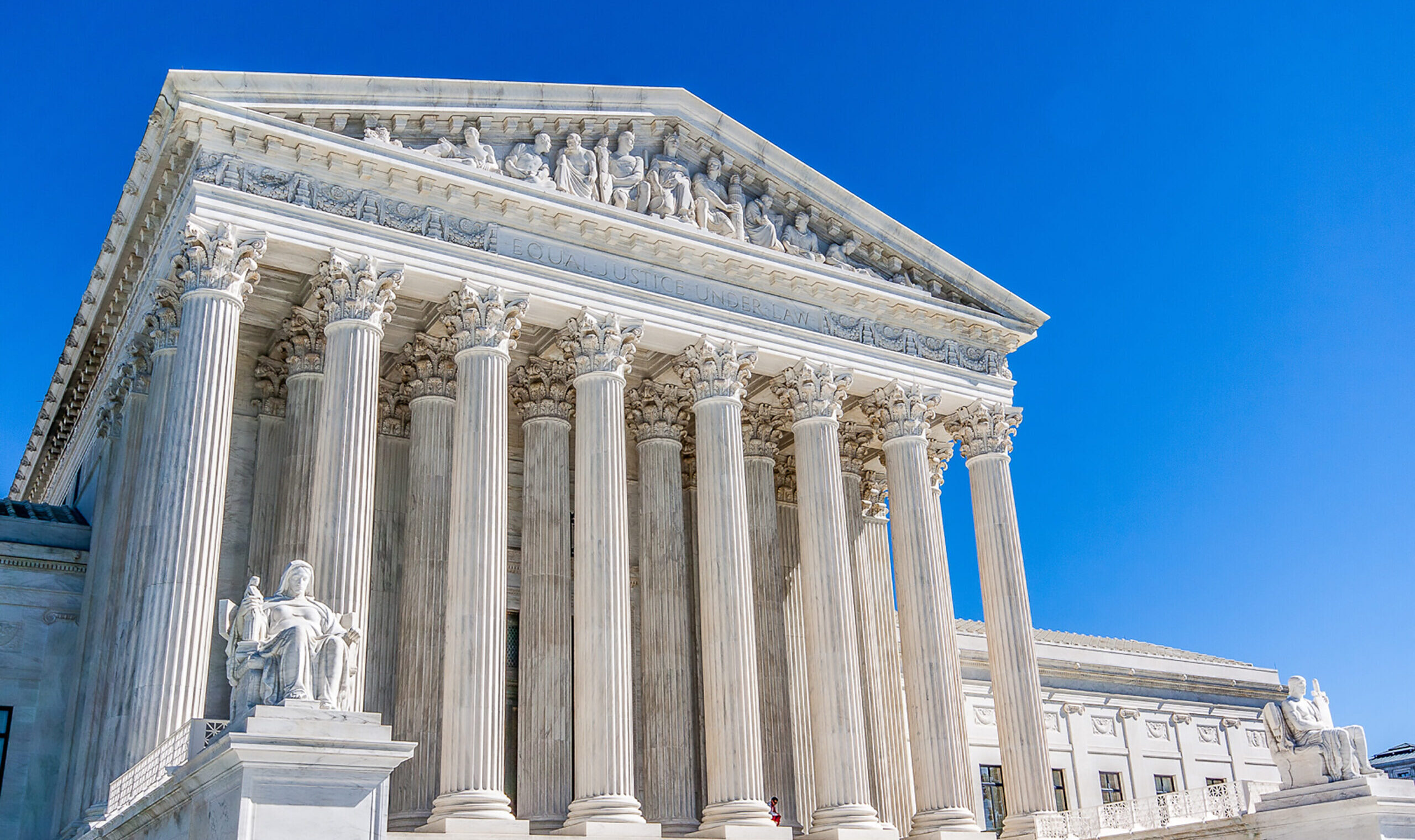
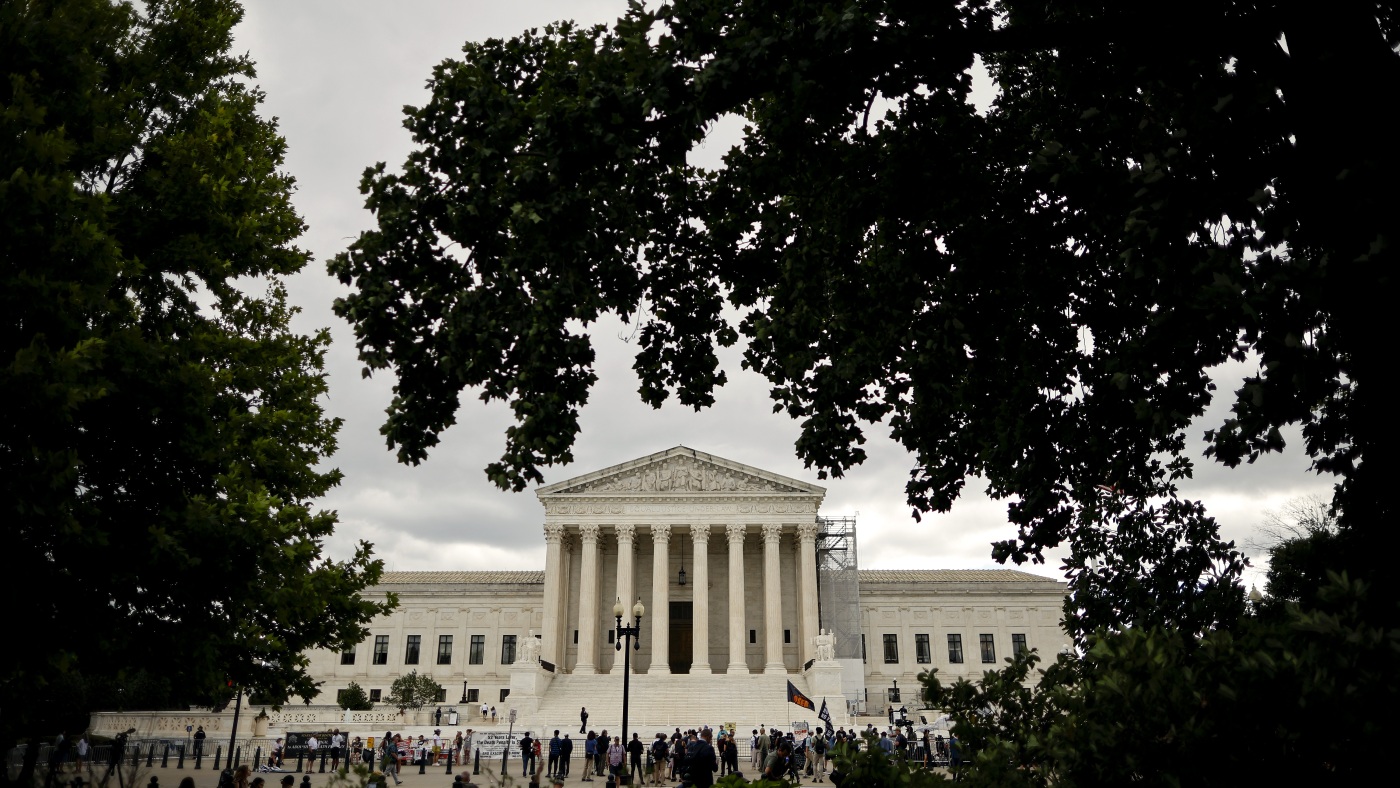
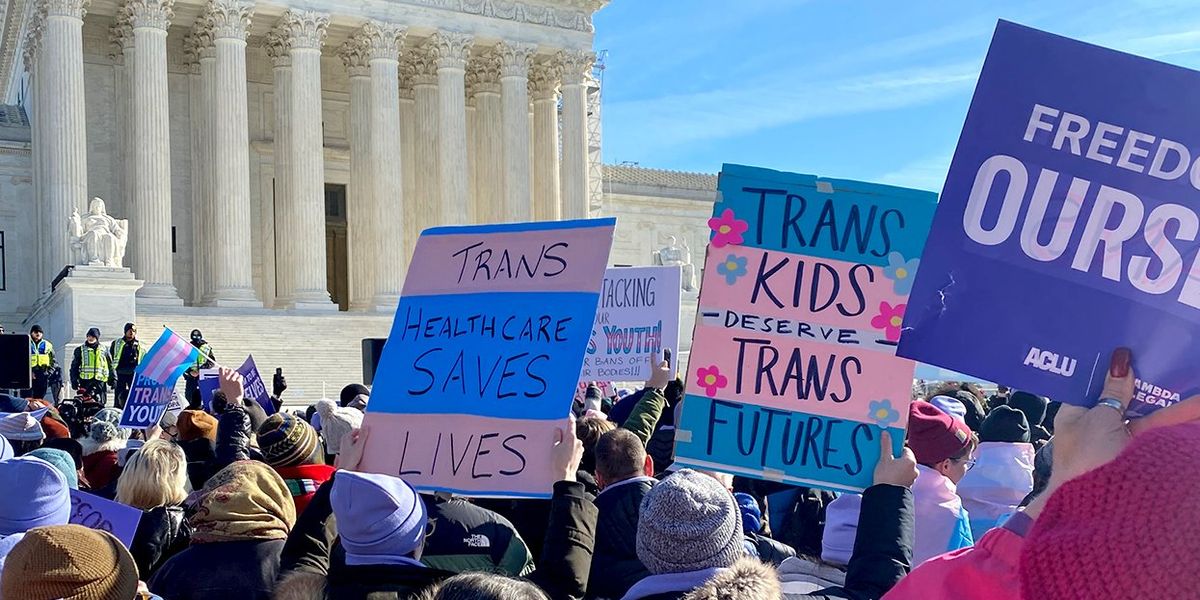
When Justice Samuel Alito challenged the ACLU lawyer Chase Strangio on such claims during oral arguments, Strangio made a startling admission. He conceded that there is no evidence to support the idea that medical transition reduces adolescent suicide rates.
Social justice
Left-wing politics
fromwww.mediaite.com
8 months agoLiberal' Author of Federal Report Rejecting Trans Treatment for Minors Slams Activists' for Silencing Critics
The author critiques aggressive activism surrounding gender treatments, asserting the report's conclusions reflect weak evidence despite liberal authorship.


Medicine
fromwww.theguardian.com
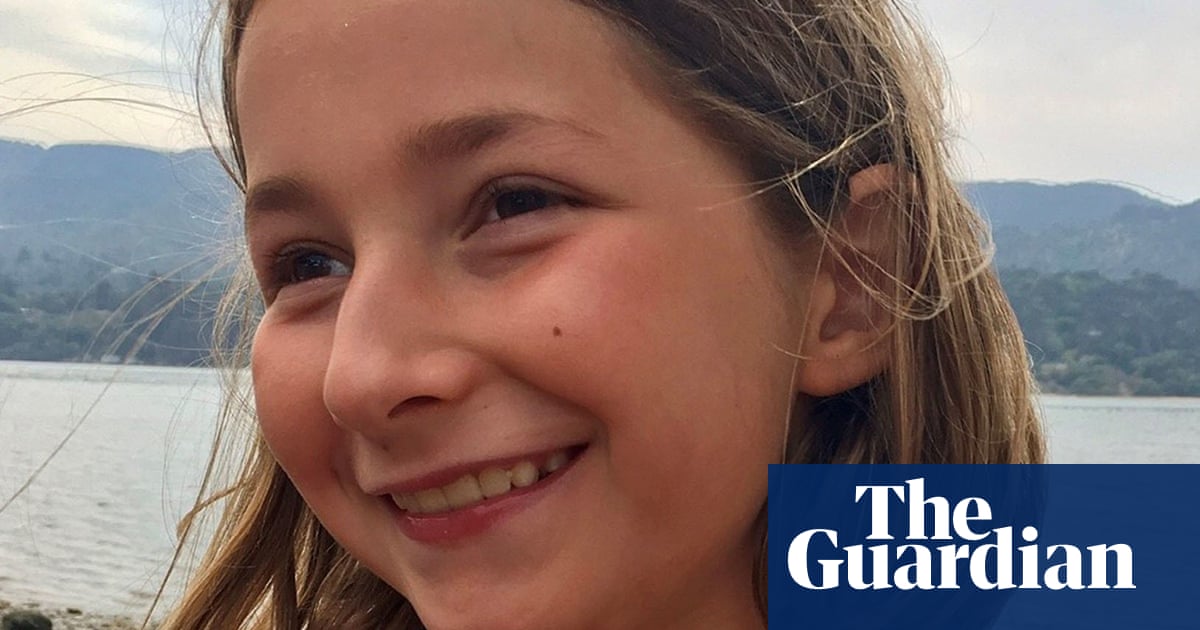
8 months agoThey entrusted me with their daughter's memory': Women's prize winner Rachel Clarke on her story of a life-saving transplant
The Story of a Heart captures competing emotions surrounding organ donation, grief, and medical advances after the heart transplant of nine-year-old Keira.
fromwww.mercurynews.com
9 months agoHHS Secretary RFK Jr. tells health care providers to disregard treatment protocols for trans people, adhere to report by unnamed authors
The letter warns health care providers to avoid relying on established professional guidelines and instead adhere to a controversial HHS review of gender dysphoria treatment.
NYC LGBT
[ Load more ]