Mindfulness
fromTiny Buddha
4 days agoWhat Happened When We Chose Not to React in Anger - Tiny Buddha
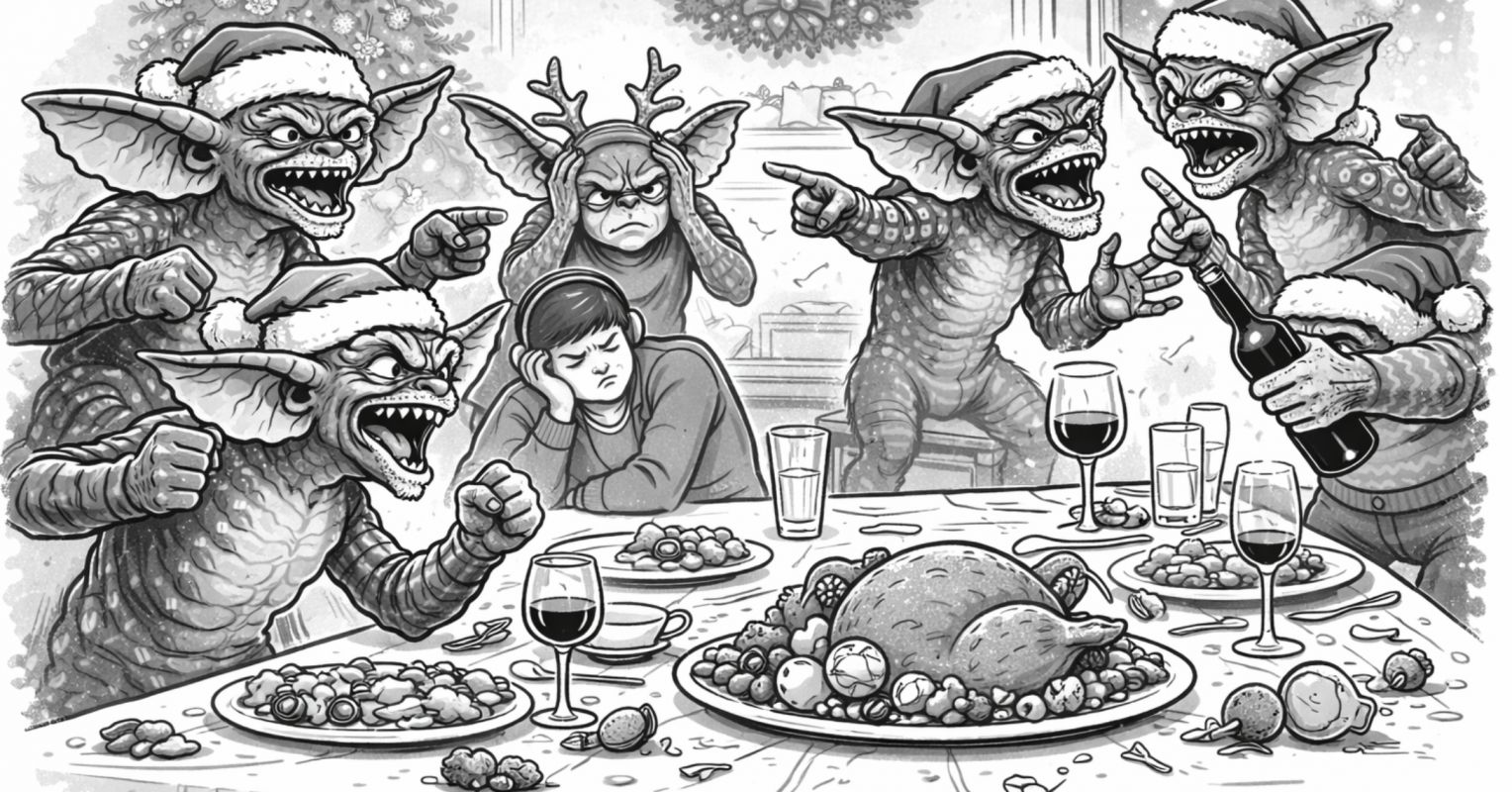
Between stimulus and response lies the power to choose a response, shaping outcomes during stressful events.
Stopping disagreeing isn't a sign of peace, it points to emotional withdrawal, explains Simone Bose, a relationship therapist at Relate. It happens, says Bose, because couples are likely protecting themselves from feeling disappointed or from conflict itself, but are becoming emotionally numb. Clinical psychologist and Couples Therapy star Dr Orna Guralnik agrees, noting that some people don't argue because they've come to a state of acceptance of who each other are, but some don't argue because they've given up.
DEAR HARRIETTE: I was at a happy hour for my company's end-of-year holiday party, and since I recently joined the team, I was looking forward to getting to know everyone better in a relaxed setting. At first, I was enjoying myself and everything was going well. Then one of my colleagues started talking about his political views, and the way he spoke made me and the others in the group uncomfortable.
Your friend made a joke that hurt your feelings. Your partner ignored you after you came home from a hard day at work. Your mom said something critical about your parenting. A colleague insisted on chairing a committee that you were next in line to lead. When these upsetting behaviors happen, you have a choice. Should you say something about it or let it go? How do we decide whether an issue is worth bringing up?
Not causing a scene at the funeral is a good etiquette rule to follow. If this person approaches you, you may say, Excuse me, and walk away, purposefully, but without any show of anger as if you were called off to deal with something urgent. You can go to the bathroom for a minute if need be. Miss Manners is indifferent so long as it convinces anyone watching that your departure was unrelated to the person.
AI will give you answers. The problem is, sometimes it reinforces the very beliefs that are doing the most damage. In recent years, a troubling pattern has emerged. People in distress turn to chatbots, hoping for support. Instead of being grounded or redirected, they're affirmed. In some cases, that validation has ended in tragedy. One Belgian man formed a romantic attachment to a chatbot that reportedly encouraged him to die by suicide.
When you bite your tongue repeatedly, underneath it may feel like you are avoiding conflict, but often you're actually building up resentment. We all know that the 'bottle it up and implode or explode later' plan does not work well for any of us. Every unspoken thought becomes a brick in the wall that grows between you and the other person.