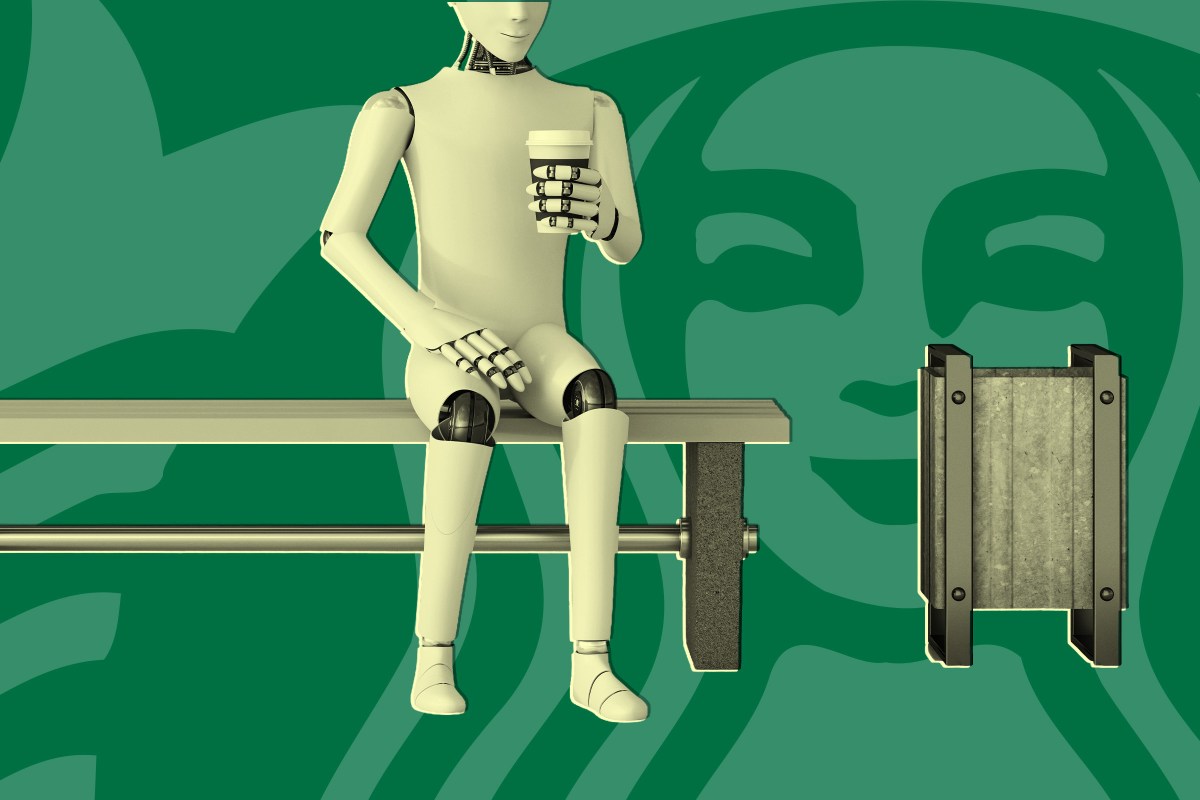
Within a couple of years of ChatGPT coming out, I had come to rely on the artificial-intelligence tool, for my work as a professor of plant sciences at the University of Cologne in Germany. Having signed up for OpenAI's subscription plan, ChatGPT Plus, I used it as an assistant every day - to write e-mails, draft course descriptions, structure grant applications, revise publications, prepare lectures, create exams and analyse student responses, and even as an interactive tool as part of my teaching.
Before this, we'd never traveled just the two of us-but after talking about it for years, we finally made it happen. As a travel writer, I loved bringing my sister into my world-we flew my favorite airline (I'm a diehard Delta loyalist), experienced the coveted Delta One lounges at LAX and JFK, explored a beautiful city, learned all about Danish culture (particularly the lovely "hygge" mindset), took in the city's famous minimalist fashion, and made some irreplaceable core memories.
Working a side hustle to earn extra income has never been more common and accessible than it is now. As the cost of living continues to rise, more people are turning to tools like ChatGPT to work smarter, streamline everyday tasks, and generate extra income without adding another job to their schedule. While many turn to ChatGPT for work-related tasks or entertainment, more people are also finding practical ways to use it to boost their income.
A self-proclaimed free speech absolutist who frequently rails against "woke" ideology, the selling point of Musk's chatbot Grok is that it's unfiltered and supposedly censorship free, rarely refusing even the edgiest of requests. This has spawned controversies such as a posting spree in which it praised Nazis and styled itself "MechaHitler," or more recently when it generated countless nonconsensual nudes of women and children - none of which have resulted in Grok being meaningfully reined in.
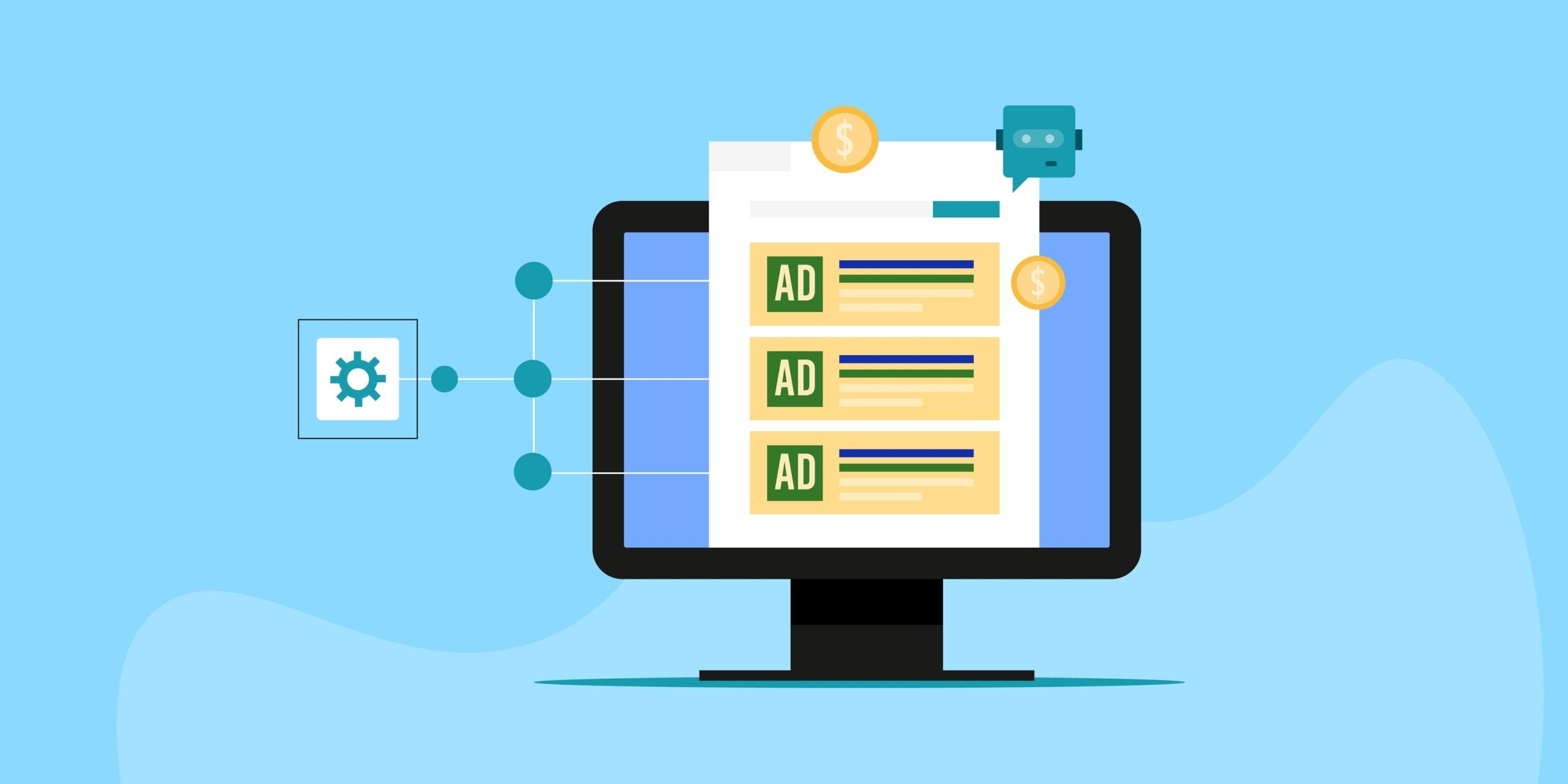
In a move that surprised no one, OpenAI has confirmed it will begin testing advertisements in ChatGPT. Ads will be trialled with free users in the United States, appearing in clearly labelled slots above or below chatbot responses. Paid tiers (Plus, Pro, Business, Enterprise) remain ad-free. OpenAI insists ads won't influence the chatbot's answers, won't be displayed alongside sensitive topics such as health or politics, and user conversations won't be shared with advertisers...
Did you know you can tag Figma in ChatGPT chat and prompt it to do design work? In this article, I want to share my top 4 favorite use cases for using Figma right in the ChatGPT chat window. 1. Instant design critique for real screens What to know what other people think about your design, but don't have access to real users? No problem, you can use ChatGPT for that.
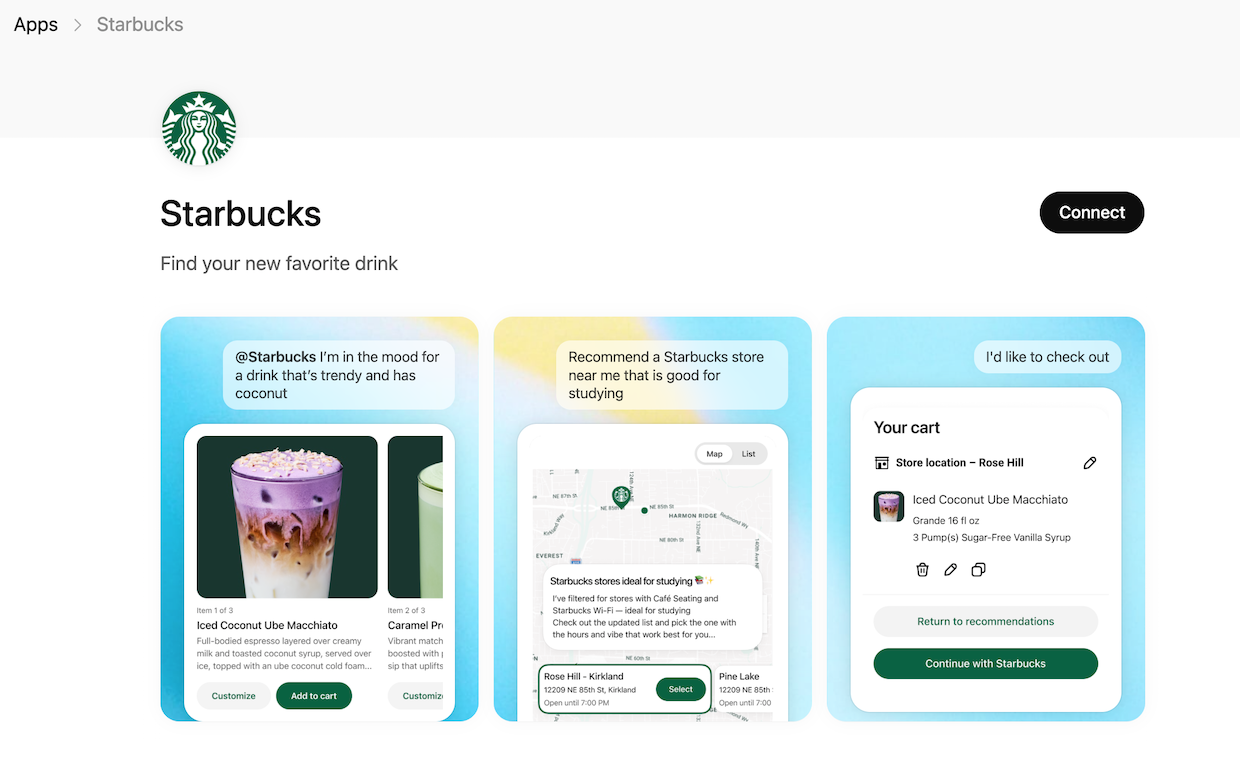
We're moving beyond AI as a research tool to AI as a purchasing agent. Amy Wu Martin from puts numbers to this transition: "ChatGPT will drive over $10B of retail GMV in 2026." She also predicts ChatGPT will launch ads in 2026 and "exceed $1B in ad revenue in the first year." , early stage investor and former Co-Founder/CEO of Magento, sees something bigger at play: "When platforms start building apps, they're not diversifying. They're fighting for survival."
If you're like most Americans, you've already set all manner of goals and resolutions for the New Year. And likewise, if you're like most Americans, you'll have entirely abandoned them by February 1. Studies have found that 23% of people quit their New Year's resolutions within a week, and almost half drop them by the end of January. Only 9% of Americans actually complete anything from their list in a given year.
If you've been using ChatGPT for a while, you might read the title of this article and think, "Heh, I've been using ChatGPT for years, there can't be anything new for me here." But I've done my best to dig a little deeper and share 3 insights that often surprise even experienced ChatGPT users. If I ask you to describe the process you follow when interacting with ChatGPT, you describe something like this:
The big picture: Patients see ChatGPT as an "ally" in navigating their health care, according to analysis of anonymized interactions with ChatGPT and a survey of ChatGPT users by the AI-powered tool Knit. Users turn to ChatGPT to decode medical bills, spot overcharges, appeal insurance denials, and when access to doctors is limited, some even use it to self-diagnose or manage their care.