Tech industry
Tech industry
[ follow ]
#cost-efficiency #it-strategy #public-cloud #vendor-lock-in #enterprise-it #cost-management #metaverse #ar




fromtheregister
6 hours agoDigital sovereignty, the musical: One engineer's bizarre crusade against hyperscalers
Amine Raiti, an infrastructure architect and SRE currently working at a European Central Bank-regulated financial institution, has launched what may be the least conventional anti-cloud campaign in enterprise IT history: a multilingual pressure operation called "Operation Dindon," complete with satirical poetry, orchestral music, K-pop, and a fictional turkey trapped in cloud dependency.
Tech industry
#ai-infrastructure
Tech industry
from24/7 Wall St.
19 hours ago'He Knows the Flaws Because He Knows the Man': Why Elon Musk's OpenAI Attack Is Really About xAI
Musk’s legal and partnership moves function as competitive strategy, with Tesla as the main public vehicle for xAI exposure and Microsoft as the primary counterparty.

Tech industry
from24/7 Wall St.
4 days agoThe Real Winner of SpaceX's IPO: Mark Zuckerberg
SpaceX monetized unused supercomputer capacity through long-term cloud agreements with Anthropic, providing a model for Meta’s AI infrastructure spending strategy.
Tech industry
from24/7 Wall St.
4 days agoThese 2 AI Giants Have Been Dormant. That's Exactly Why They Might Surprise Investors
Oracle and IBM lag broader markets while showing accelerating AI-related revenue and backlog growth, creating potential re-rating catalysts into 2026.
Tech industry
from24/7 Wall St.
19 hours ago'He Knows the Flaws Because He Knows the Man': Why Elon Musk's OpenAI Attack Is Really About xAI
Musk’s legal and partnership moves function as competitive strategy, with Tesla as the main public vehicle for xAI exposure and Microsoft as the primary counterparty.
Tech industry
fromTNW | Artificial-Intelligence
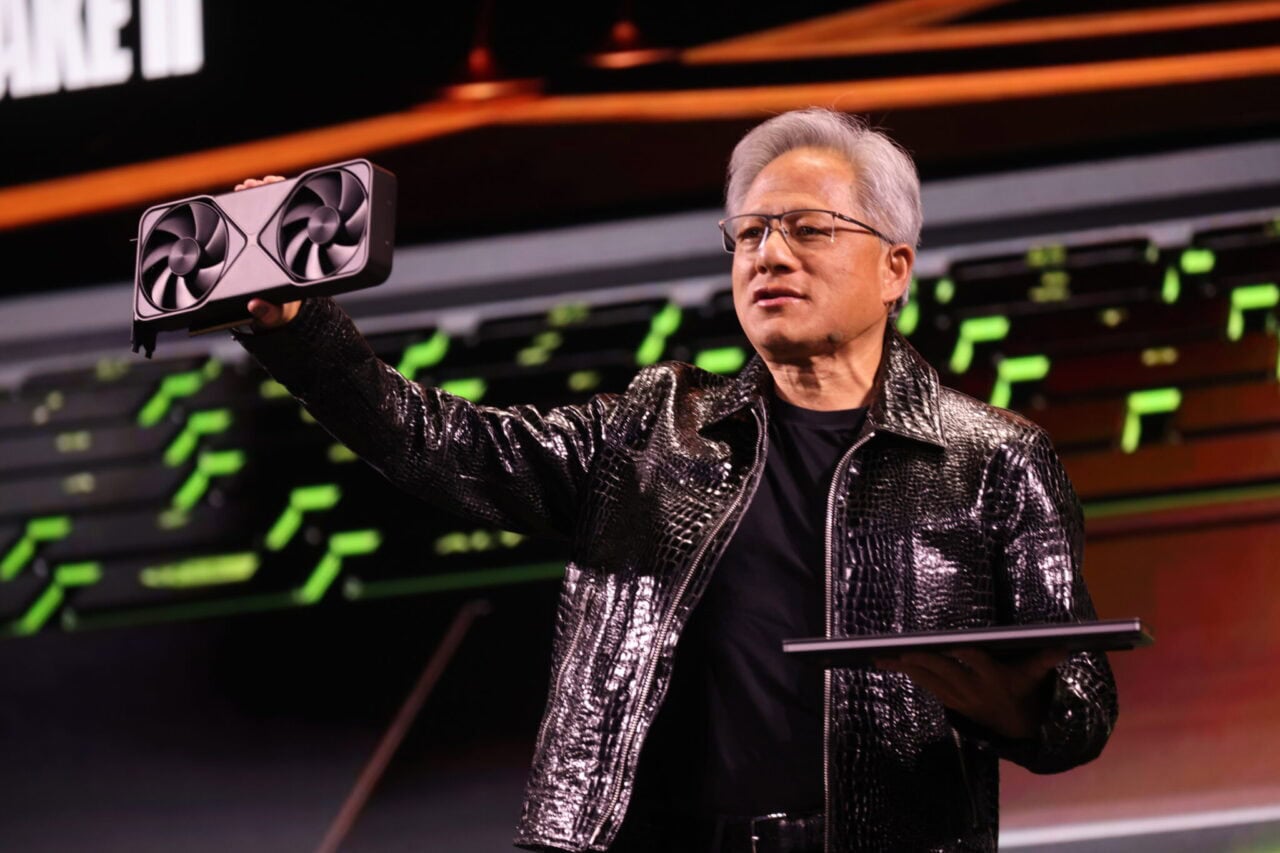
1 day agoAI is killing the cheap smartphone. The memory that powers your phone now goes to data centres instead.
Smartphone demand is falling sharply as DRAM supply constraints and AI-driven memory demand reallocate production away from low-cost consumer devices.


fromTNW | Finance
3 days agoLenovo Q4 revenue tops estimates on strong PC sales, shares jump 15%
Lenovo posted Q4 revenue of $21.6bn, up 27% year-on-year and roughly $2.2bn ahead of consensus, sending shares up about 15% on Friday in Hong Kong. Net profit attributable to shareholders jumped 479% to $521m, almost double the $271m analysts had penciled in, according to data compiled by CNBC.
Tech industry
fromComputerWeekly.com
3 days agoGoogle AI engineer dismissed for opposing tech sales to Israel | Computer Weekly
Following this, the engineer was called into a meeting with Google's human resources department, where they were "actively discouraged" from making any communications that either criticised the change to Google's AI principles, or linked the company to Israel's conduct in Gaza.
Tech industry
Tech industry
fromFortune
3 days agoCloudflare posted record revenue, then cut 20% of its workforce. CEO Matthew Prince says AI has made an entire category of workers obsolete | Fortune
Cloudflare cut 20% of its workforce, mainly middle-management roles, while reporting fast growth and expanding customers.




from24/7 Wall St.
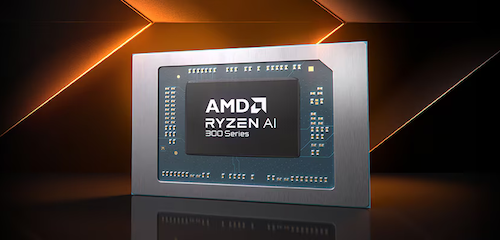
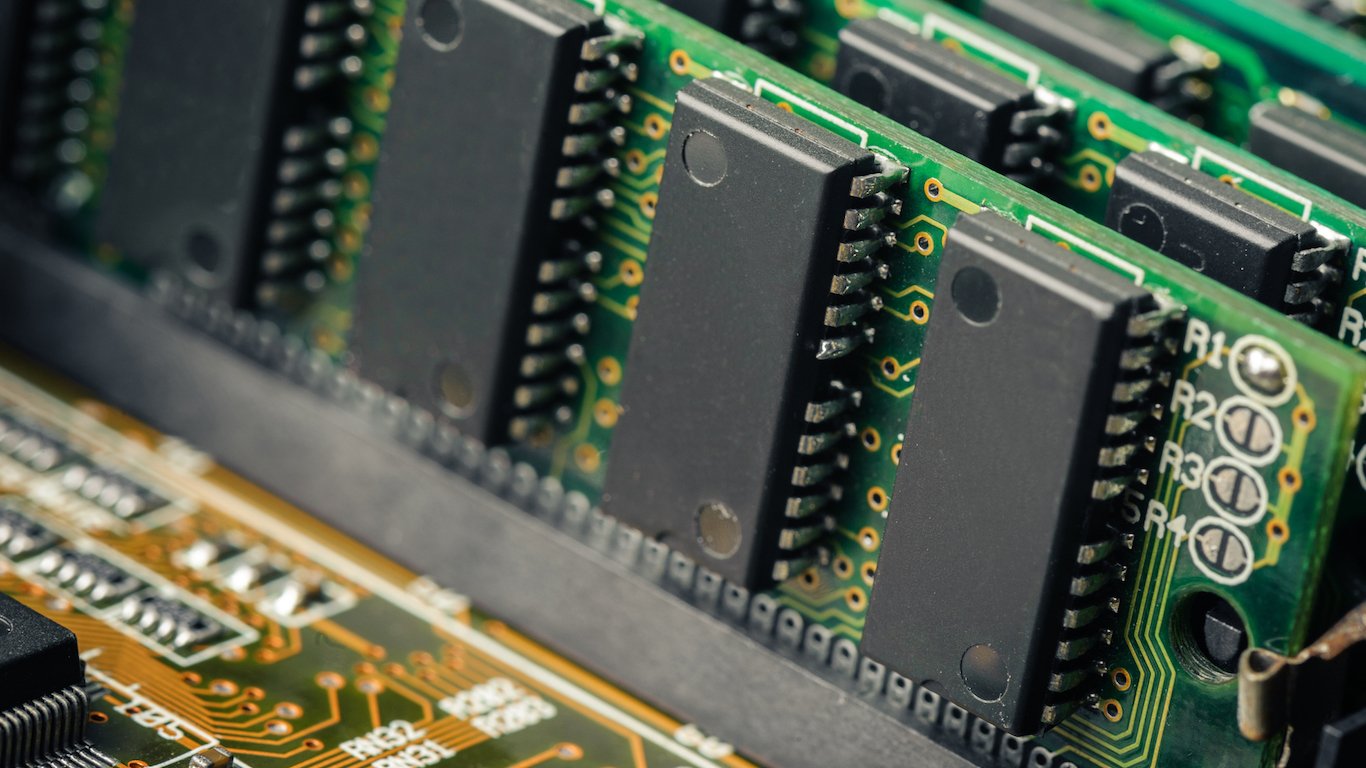
3 days agoSanDisk Soars 9%, Western Digital Rallies 5%, Micron Rises 3% as Memory Trade Reawakens
Memory stocks are bouncing hard at midday on Thursday after a punishing week for the sector. SanDisk ( NASDAQ:SNDK | SNDK Price Prediction) shares are up 9%, Western Digital ( NASDAQ:WDC) stock is higher by 5%, and Micron Technology ( NASDAQ:MU) shares are advancing 3%. The rebound follows a brutal five sessions in which each of the three was down between 4% and 9%. SNDK stock had slipped 4% over the past week, WDC shares had dropped 7%, and MU stock had given back 9% heading in.
Tech industry
Tech industry
from24/7 Wall St.
4 days agoForget the Memory Chip Arms Race. The Real Trade Is the 3 Equipment Companies Every Chipmaker Must Pay First
Watch semiconductor equipment suppliers, not memory chipmakers, because equipment demand persists regardless of memory pricing cycles or Nvidia-driven end demand.
fromTechzine Global
5 days agoIntel is pushing OEMs toward 18A
Intel is pressuring PC and notebook manufacturers to build new systems around its 18A processors. The chipmaker is said to have severely limited the availability of older Intel 7 processors for consumer products, leaving OEMs with few other options. According to sources at Nikkei Asia, this includes the new Panther Lake and Wildcat Lake processors, which are manufactured using Intel's 18A process.
Tech industry
fromwww.theguardian.com
5 days agoGoogle DeepMind in talks with UK unions amid staff concern over AI use by US and Israel
Google DeepMind has agreed to enter formal talks with UK tech workers that could lead to trade union representation amid growing staff concerns about the use of its AI by the US and Israeli governments' defence and intelligence. In a groundbreaking move, the artificial intelligence arm of the multi-trillion dollar Google empire, led by the Nobel prize winner Demis Hassabis, has agreed to meet the Communications Workers Union and Unite at the Advisory, Conciliation and Arbitration Service (Acas) after several hundred workers at its London headquarters earlier this month voted to unionise.
Tech industry

fromTelecompetitor
5 days agoMidco and Switch partner on long-haul routes to support AI demand
Midco and Switch are partnering to provide broadband infrastructure to support AI demand in Ellendale, North Dakota. The five-year agreement between the two companies is designed to enable a 200-terabit network with more than 500 individual 400 gigabit-per-second (Gbps) circuits delivered across two geographically diverse routes between Ellendale, North Dakota, and Chicago, Illinois.
Tech industry
Tech industry
from24/7 Wall St.
5 days agoArm Holdings Has Doubled in 2026. Is It Outperforming Other Chip-IP Stocks Like Synopsys, Cadence, and Qualcomm?
Arm stock is sharply outperforming chip-IP peers due to royalty-driven licensing growth, higher-rate Armv9 adoption, richer CSS take rates, and rising demand for Arm AGI CPU.
Tech industry
fromtheregister
6 days agoMicrosoft refreshes Surface for Business lineup, starts AI PC upsell at $1,499
Surface for Business laptops add Intel Core Ultra Series 3 processors and Copilot+ PC features for local AI processing, improved displays, and enterprise-focused battery and connectivity.
[ Load more ]