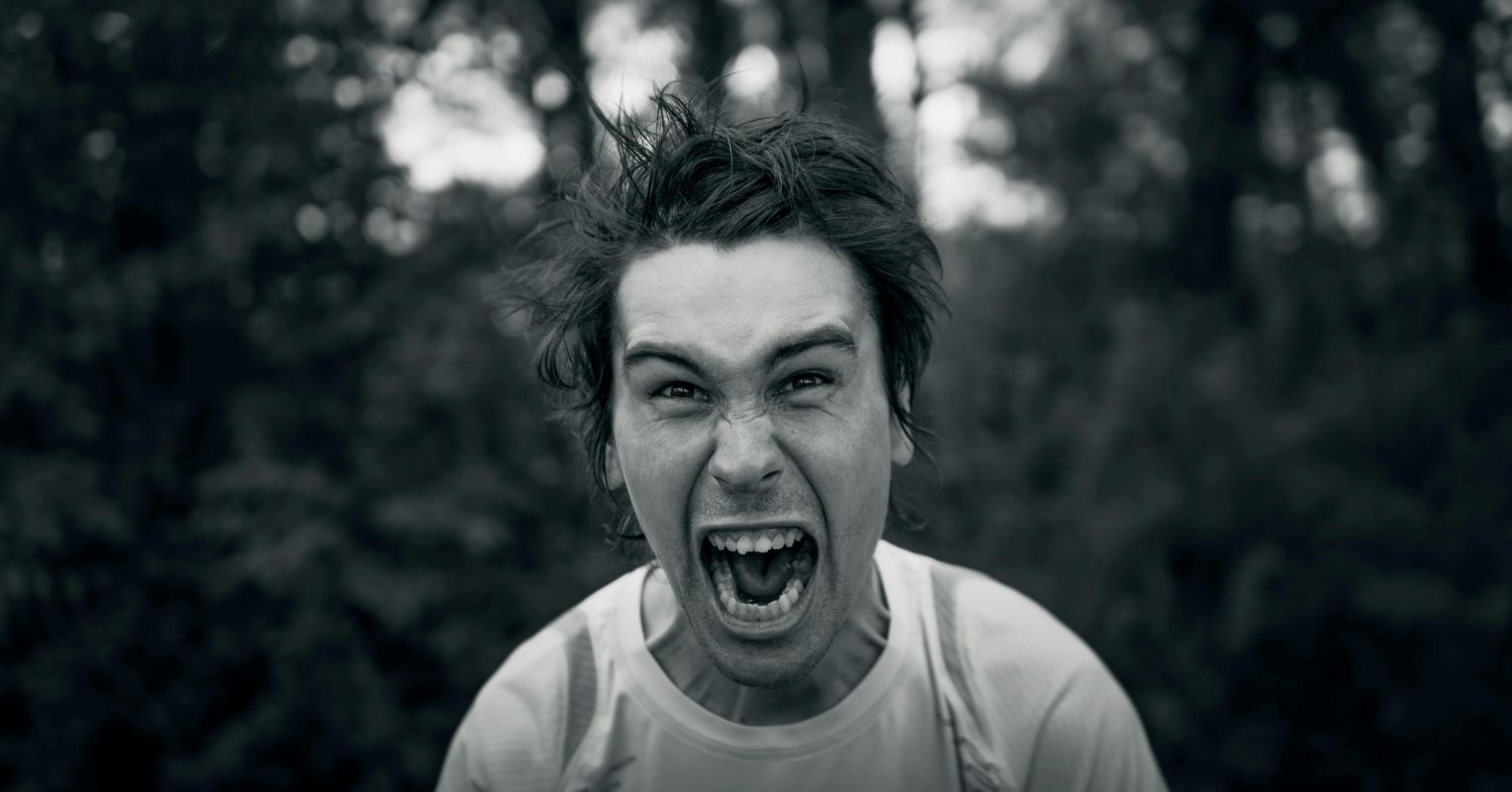
"Over the years, I've been interviewed many times by media and podcasts on the subject of rage. I can think of no experience more destabilizing to the sense of self than rage. However, the real culprit is chronic resentment. What does rage look like? Expressed rage looks out-of-control, scary, and dangerous. It can also look foolish. Suppressed rage looks like the body was dipped in thin plaster: rigid muscles, taut facial expressions, distended veins in the face and neck."
"What are the causes of rage? Rage is an extreme form of anger, with intense aggressive impulses. It's caused by a perceived violation of rights, status, or personal boundaries. Ordinary anger rarely turns into rage without underlying chronic resentment. Raging people are highly resentful. They feel like victims of an unfair world. When perceived injustices build to intolerable levels, any ego violation, real or imagined, large or small, can trigger rage."
Rage is an extreme form of anger driven by perceived violations of rights, status, or personal boundaries and often rests on chronic resentment. Expressed rage appears out-of-control, dangerous, and sometimes foolish, while suppressed rage shows as rigidity, taut facial expressions, and distended neck veins. People prone to rage tend to be dismissive of other perspectives, intolerant of ambiguity, regard disagreement as a personal assault, lack compassion, and often experience embittered entitlement or cynical depression. Ordinary anger rarely escalates to rage without persistent resentment. The most effective treatment for chronic resentment-driven rage is reconditioning the emotional system.
Read at Psychology Today
Unable to calculate read time
Collection
[
|
...
]