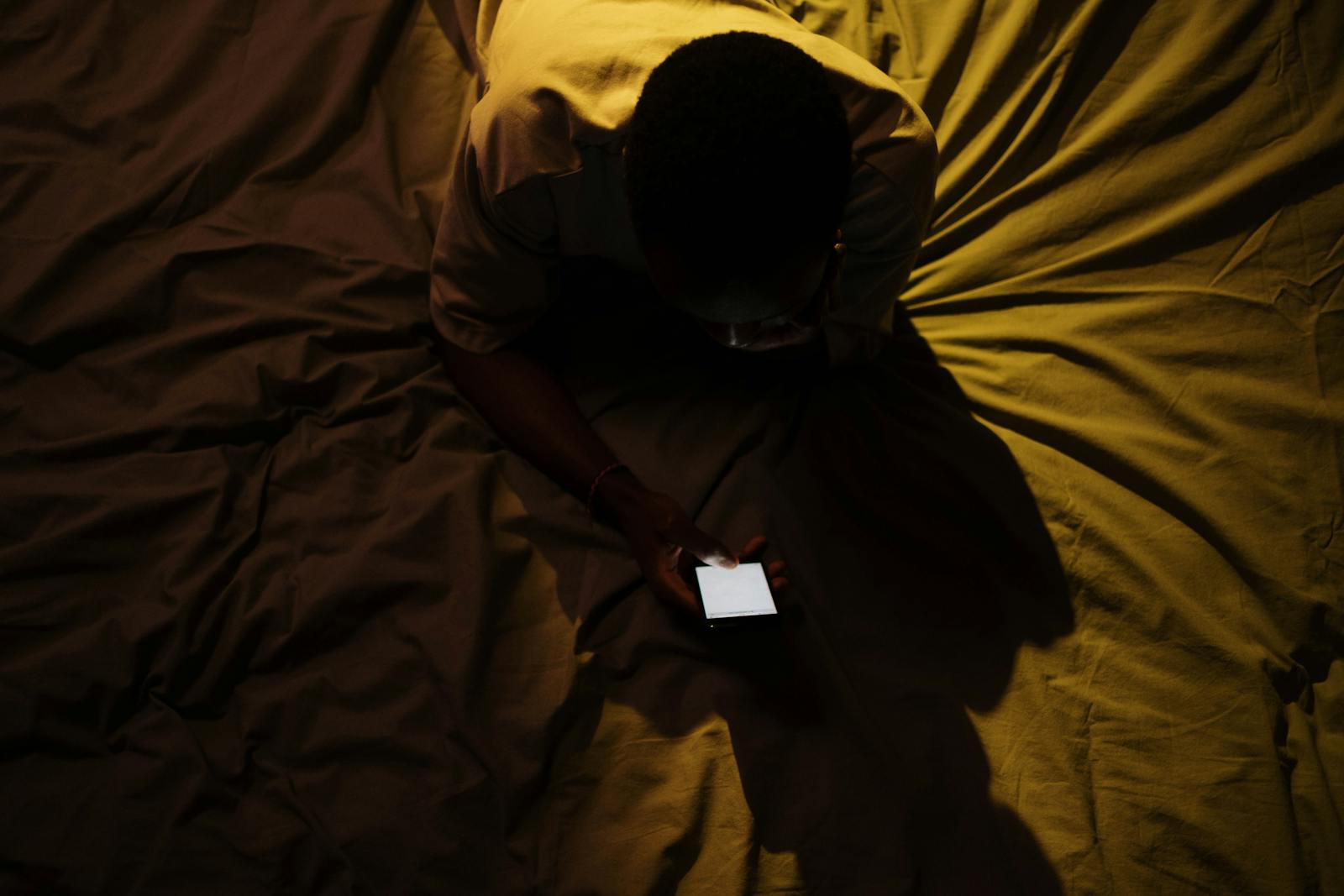
"You sit on the edge of the bed at 6:47pm, already dressed, already running through the route in your head, and the dread sits in your chest like a small stone you've been carrying for fourteen days. Then you pick up your phone and type: so sorry, I'm not going to make it tonight. You don't add a reason. You don't invent a headache. You don't build a whole small legal case for why you are allowed to stay home. And the moment you press send, something loosens in your shoulders that you didn't know had been tight since the second Tuesday of last month."
"That feeling is not always laziness. It is not always flakiness. For some people, it is the relief of discovering that a no can stand on its own. The myth that cancelling means failing Most boundary advice treats cancellation as a moral problem to be solved. The conventional wisdom says: if you committed, you should go. If you don't want to go, you shouldn't have committed. Anything else is flakiness, immaturity, a character defect to be coached out of you."
"There is truth in that, up to a point. Other people's time matters. Reliability matters. A pattern of cancelling at the last minute can damage trust. But that framing misses something fundamental about why some people commit in the first place. A lot of yeses are not really agreements. They are reflexes. They are the sound a person makes when they have learned to fill silence with availability. The relief that follows a cancelled plan is not always relief from the plan itself. Sometimes it is relief from the version of yourself you had to become in order to say yes to it."
"For two weeks, your mind has been rehearsing the evening. The drive there. The conversation you'll have to carry. The energy you'll have to find at hour three. The moment when you will want to leave but feel rude for being the first one to stand up. Psychology writing often describes this kind of pre-event worry as anticipatory anxiety: the anxious loop that sta"
A person cancels a plan without giving reasons and feels immediate physical relief. That relief is framed as evidence that “no” can stand on its own, rather than being treated as laziness or immaturity. Boundary guidance often treats cancellation as a moral problem, emphasizing reliability and the impact of last-minute changes on others’ trust. The piece argues that many “yeses” are reflexes learned to fill silence with availability, and that dread can come from rehearsing the drive, conversation, and social energy required. Anticipatory anxiety can make a plan feel like a performance, so cancelling may protect wellbeing and prevent becoming a version of oneself that cannot sustain the commitment.
Read at Silicon Canals
Unable to calculate read time
Collection
[
|
...
]