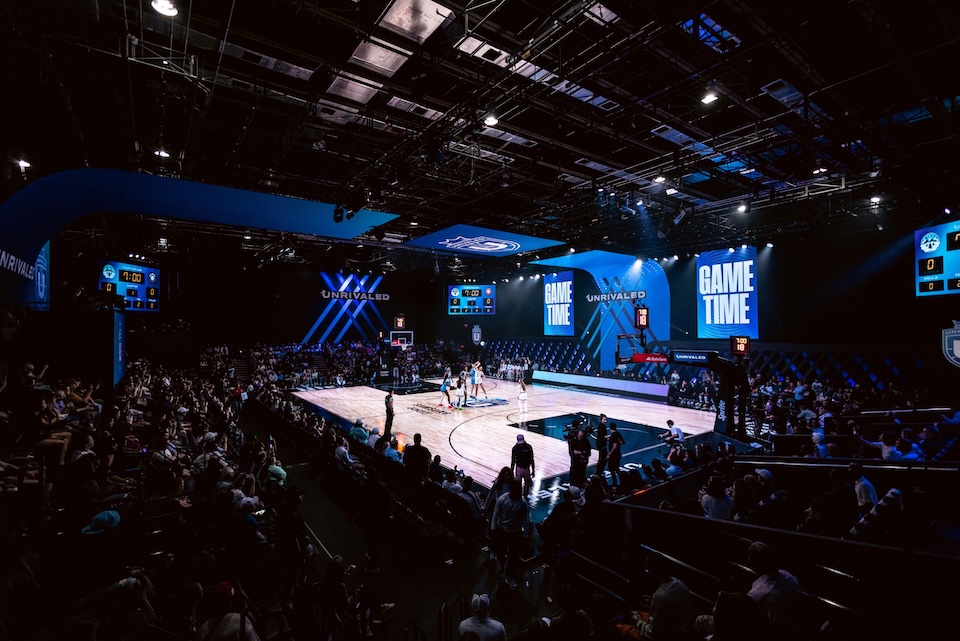
A client relationship included an invitation to a basketball game in a corporate suite during strategy and brand refresh sessions. The CEO’s visible enthusiasm—standing for key plays, reacting to calls, leaning in at pivotal moments, and focusing during sponsorship activation—signaled authentic admiration and engagement. The experience suggested that brands function as embodied presences in cultural settings, filtered through fans’ fandom. Fans invest in how a brand shows up, not just what it claims. Questions about the refresh centered on whether the CEO would proudly share the brand moment, introduce it to others, or leave it behind. The usual business case relies on metrics such as audience size, attention, engagement, and emotional connection, often supported by syndicated data.
"Fifteen minutes into the game, our client pointed across the court and said, "Hey, there's our CEO. He has his own seats. He's a BIG fan. Like a super fan." She said it with an aura of fondness, as if his idiosyncrasies made her like him even more. Those are the types of interactions that give you the sense people genuinely admire and like working with him."
"I found myself checking in on him throughout the game. I caught him instinctively stand for a steal that led to a fast break, throw his hands up at the ref for a foul call in a big moment and lean in at a pivotal time. I also noticed that when their sponsorship activation came up during a timeout, he was locked in."
"Over the course of the game, I realized that this CEO was a vivid representation of how brands are experienced in cultural settings. Fans filter brands through their fandom, and get invested in how the brand shows up. Soon, we started asking different questions about the reasons behind the refresh."
"We imagined the brand as an embodied presence alongside the CEO at the game. Would he be proud to share his moment with the brand? Would he take it around and introduce it to people at the game? Or would he try to leave it in the seats? The slide we've all written. I'm talking about that slide that makes the case for how powerful collective, cultural moments can be for brands."
#brand-experience #cultural-marketing #sports-sponsorship #audience-engagement #emotional-connection
Read at Muse by Clios | Discover the latest creative marketing and advertising news. Muse by Clio is the premier news site covering creativity in advertising and beyond.
Unable to calculate read time
Collection
[
|
...
]