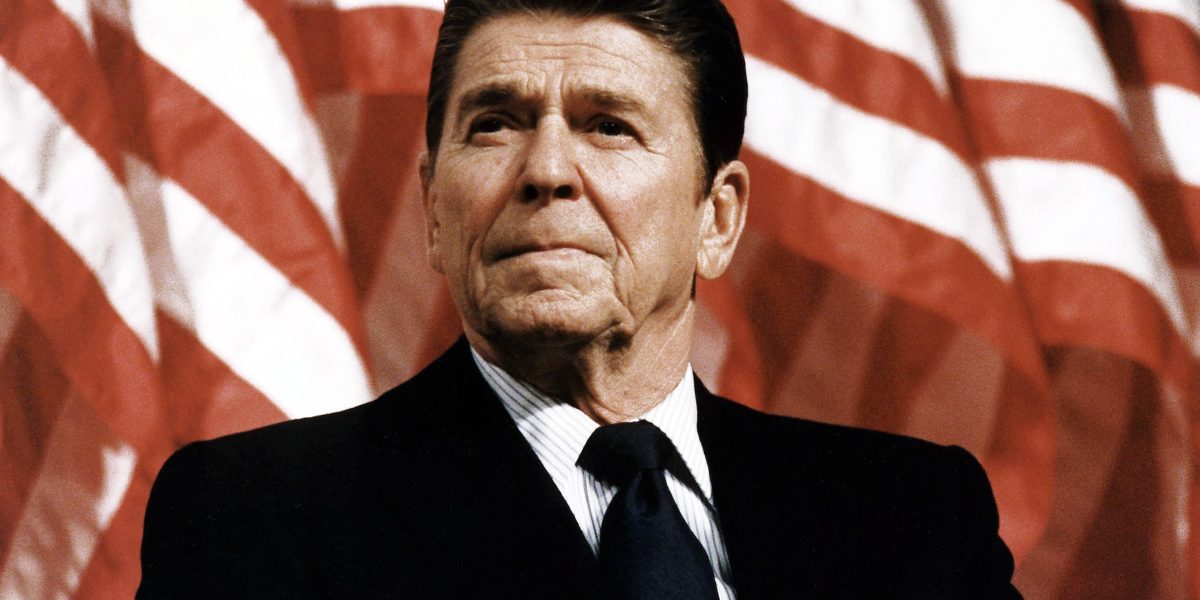
"Greatness does not come about through accumulating great amounts of money, great amounts of publicity or great power in government," Buffett wrote in his final Berkshire Hathaway shareholder letter.
Semi-private flights, also known as fly-sharing or charter-by-the-seat services, are realistically the cheapest way to fly private, as they allow you to pay for one seat rather than the entire aircraft.
Like snow falling quietly overnight, wealth has a way of sneaking up: steadily increasing salaries, 401(k) contributions, stock options, rising home equity, inheritances. It accumulates while you're busy living. If your financial identity hasn't kept pace-understandably shaped more these days by inflating prices, competing tugs on your discretionary dollars, and that familiar feeling of " I'd be comfortable if I made more"-you're not alone.
Around the turn of the 21st century, the U.K. witnessed a dramatic surge in housing prices: the costs rose from four times peoples' annual earnings in 1995, to eight times by 2010. Homeowners subsequently enjoyed a wealth windfall, and it resulted in their kids receiving more housing wealth and higher-paying jobs, according to recent research from the Institute for Fiscal Studies. Lower-income renters, on the other hand, were faced with new affordability challenges.
The street's ultra-luxury towers - from the first generation of supertalls west of Sixth Avenue that shaped the skyline, to mixed-use developments eastward 'driving the next phase of growth' - offer a dense concentration of cultural and lifestyle capital, paired with direct access to Central Park.
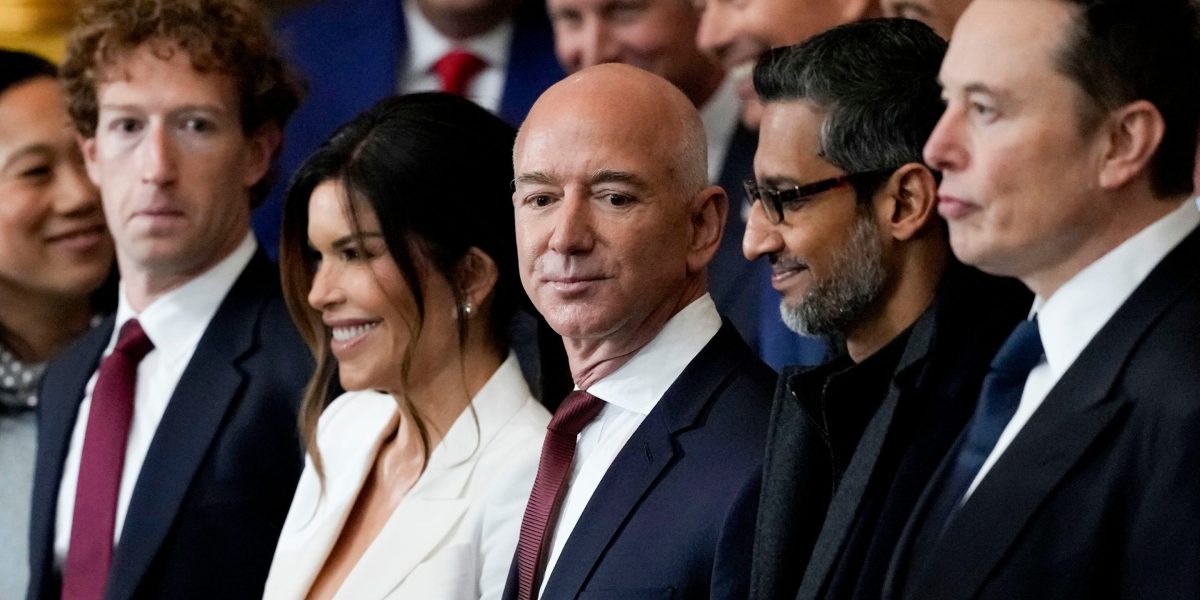
It's human nature to judge your personal economics and mood on how you feel, influenced heavily by conscious and subconscious comparisons to others. So it's possible President Trump is right: U.S. growth and stocks soar in 2026. But even then, because the AI-connected hyperwealthy do so much better than everyone else, fear and resentment still grow. It's also possible the AI bubble pops, and everyone suffers. But the Have-Lots will (mostly) still have lots.
income‑based divergence in spending and wage growth persists, and we are concerned that a 'K' shape is opening up between higher-income households and middle-income households, alongside the existing gap with lower-income households.