#us-foreign-aid
#us-foreign-aid
[ follow ]
#global-health #trump-administration #hivaids #zambia #pepfar #usaid-cuts #humanitarian-crisis #family-planning



fromThe Nation
1 month agoIs AIPAC Doomed?
AIPAC prizes its reputation as a formidable adversary, of course, because it discourages anyone from questioning its agenda. But the scholars also gave credence to the idea of a nearly unbeatable pro-Israel lobby, claiming that AIPAC has a stranglehold on the U.S. Congress.
US politics
fromTruthout
3 months agoTrump Admin Pushes International Orgs to Disavow Trans Care With Funding Ban
The funding - supporting hospital clinics, HIV/AIDS programs, educational institutions, and more - would be conditioned on sweeping new restrictions barring "social transition" and gender-affirming care at any age, including therapy and counseling. While the administration has already frozen large portions of foreign aid, this rule would formalize those efforts and dramatically expand their reach, with potentially severe consequences for transgender people worldwide as the administration escalates its campaign against transgender lives both at home and abroad.
US politics
Fundraising
fromNonprofit Quarterly | Civic News. Empowering Nonprofits. Advancing Justice.
3 months agoPalestine at the Center: Donor Organizing as Movement Work | Nonprofit Quarterly | Civic News. Empowering Nonprofits. Advancing Justice.
Progressive donor organizing must confront philanthropy's complicity in U.S.-funded Israeli occupation and center Palestinian liberation within justice movements.
fromwww.aljazeera.com
4 months agoUS and Ivory Coast sign $480m deal as part of America First' aid strategy
The plan envisions forging bilateral agreements with dozens of countries to receive US health assistance in the wake of the administration's gutting of the US Agency for International Development (USAID). The Trump administration has maintained that US foreign aid policy has been inefficient and wasteful, saying that the bilateral agreements will create more accountability, oversight and eventual self-sufficiency. Experts have questioned the efficacy of the approach and raised alarm over its transactional nature.
US politics

fromFortune
4 months ago'Adapt, shrink or die': Trump begins slashing UN aid with $2 billion pledge a fraction of previous contributions | Fortune
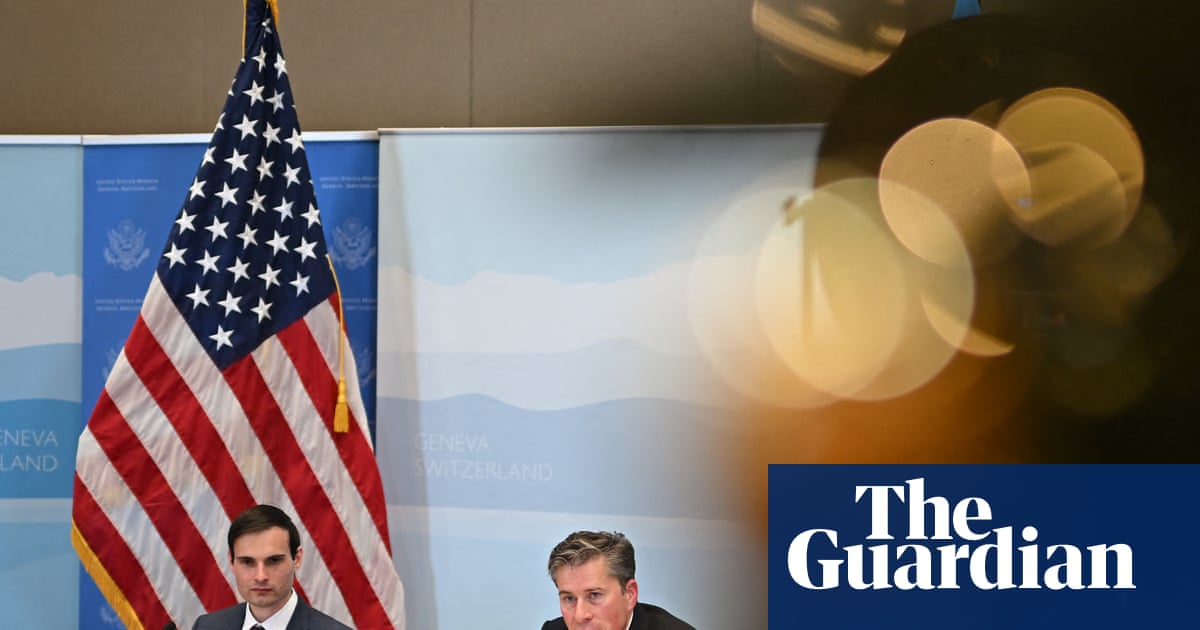
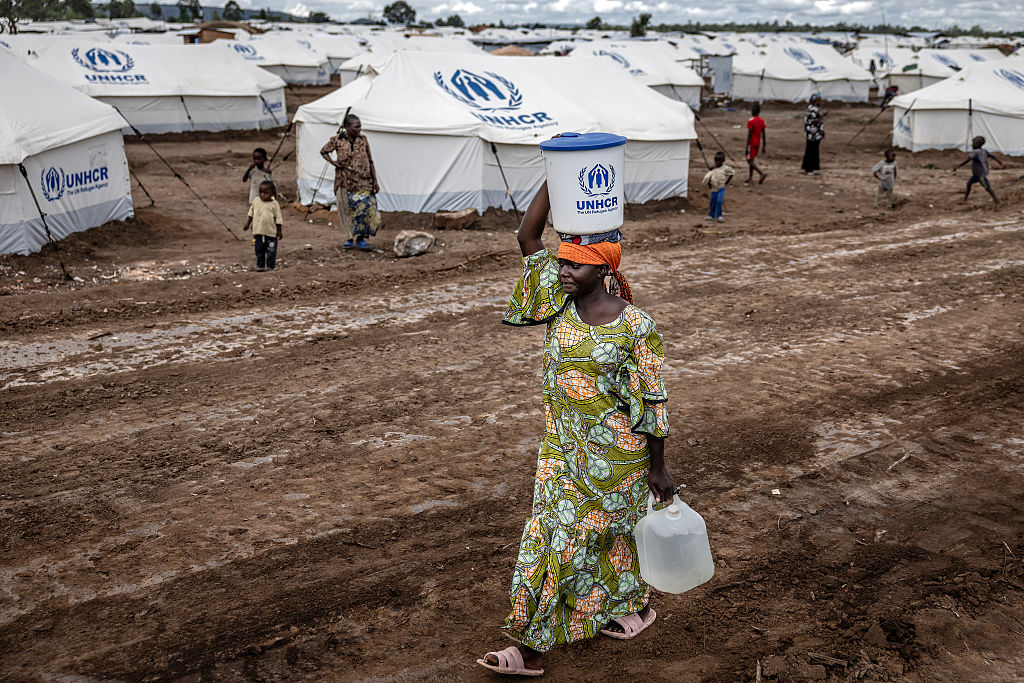
The United States on Monday announced a $2 billion pledge for U.N. humanitarian aid as President Donald Trump's administration continues to slash U.S. foreign assistance and warns United Nations agencies to "adapt, shrink or die" in a time of new financial realities. The money is a small fraction of what the U.S. has contributed in the past but reflects what the administration believes is a generous amount that will maintain the United States' status as the world's largest humanitarian donor.
US politics
fromwww.theguardian.com
4 months agoTiny Pacific nation of Palau to take migrants from US in return for aid
US deputy secretary of state Christopher Landau spoke to Palau president Surangel Whipps in a call on Tuesday about transferring third-country nationals to Palau, the two sides said in separate statements, after Palau's lawmakers rejected a previous request from Washington on the matter earlier this year. President Donald Trump's immigration policies, including his administration's deportation drive, have been broadly condemned by human rights advocates over concerns about due process.
US politics
fromwww.npr.org
4 months agoA radio station in Amsterdam is a lifeline for Sudan. After USAID cuts, it's faltering
When Radio Dabanga abruptly cut its morning broadcast earlier this year because of budget shortfalls, the station's editor-in-chief, Kamal Elsadig, knew the consequences would go far beyond the walls of the modest office in Amsterdam. Messages began pouring in almost immediately from Sudanese listeners who rely on the exile-run station as their only reliable link to the outside world.
US news


fromFortune
6 months agoThese millennials working in finance and tech were among the donors who gave over $125 million after Trump slashed foreign aid | Fortune
Multiple groups launched fundraisers in February and eventually, these emergency funds mobilized more than $125 million within eight months, a sum that while not nearly enough, was more than the organizers had ever imagined possible. In those early days, even with needs piling up, wealthy donors and private foundations grappled with how to respond. Of the thousands of programs the U.S. funded abroad, which ones could be saved and which would have the biggest impact if they continued?
US politics
US politics
fromwww.theguardian.com
6 months agoUS undermining global health' by threatening to strip funding from aid projects that do not fit its political agenda
The Trump administration will condition US foreign funding on foreign governments, NGOs and international bodies abandoning DEI initiatives, extending the Mexico City policy to new actors.
US politics
fromwww.mediaite.com
7 months agoRidiculous!' Marco Rubio Explodes at ABC's George Stephanopoulos in Fiery Throwdown Over Foreign Aid Cuts
The Secretary of State denied that U.S. aid cuts caused deaths, defended reorganizing USAID, and blamed other countries and local corruption for relief failures.
fromwww.theguardian.com
8 months agoMarjorie Taylor Greene joins Bernie Sanders in urging US to end Gaza famine
Let's be clear: President Trump has the power to end the starvation of the Palestinian people, Vermont's politically independent senator Bernie Sanders posted on X. Instead he is doing nothing while watching this famine unfold. Enough is enough. No more American taxpayer dollars to Nethanyahu's [sic] war machine. Sanders, who also pushed resolutions to ban selling US weapons to Israel, has long been consistent about his concern regarding the humanitarian crisis in Gaza amid the war.
US politics
fromwww.dw.com
9 months agoAfter huge US cuts, who pays for aid in the Middle East now? DW 07/15/2025
"Nobody really knows what's happening," one project manager running a Syria-based project told DW about the US cuts in aid funding. "They haven't put a complete stop to it yet so we're just spending the money on a monthly basis and hoping for the best."
US politics
fromThe Washington Post
1 year agoAfter 100 days, the toll of Trump's foreign aid cuts has begun to sink in
"The Trump administration has axed more than 80 percent of programs funded through the U.S. Agency for International Development, and the agency has been whittled to a nub."
Non-profit organizations
[ Load more ]