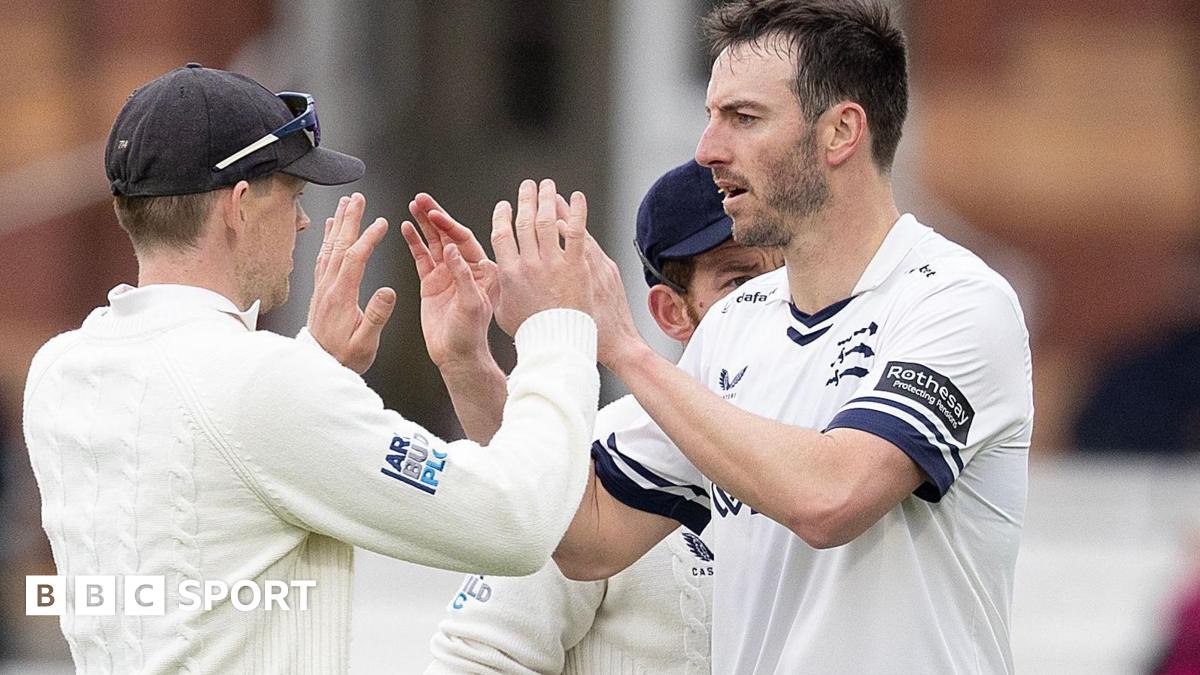
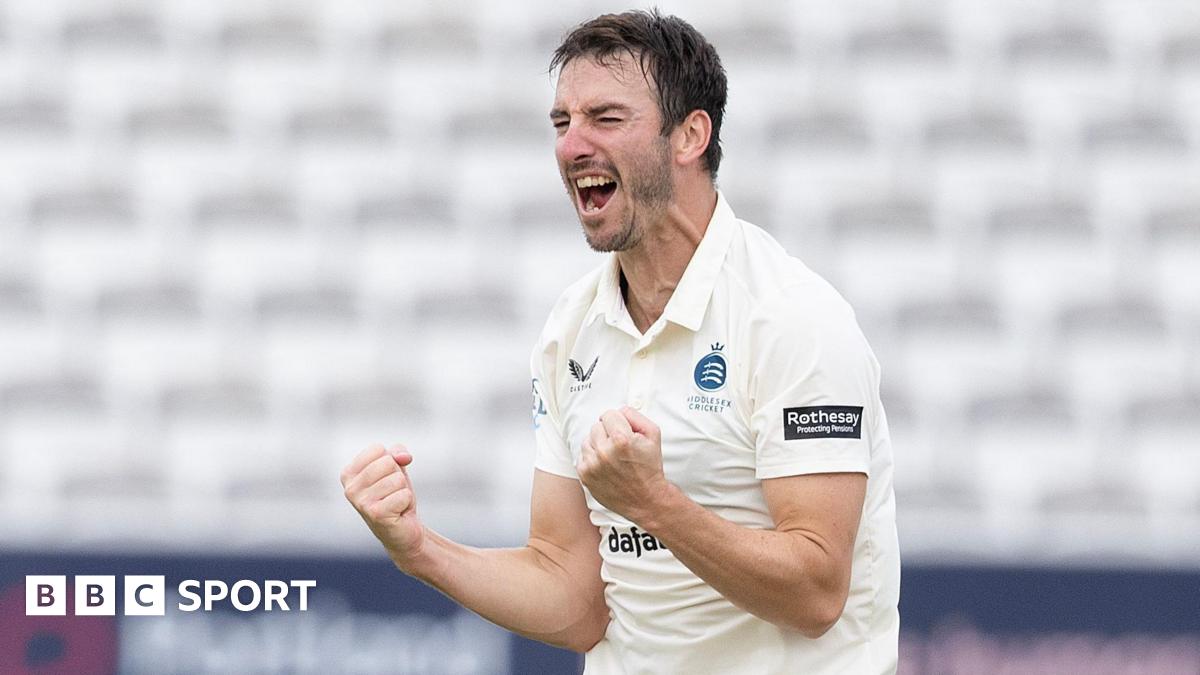
Martin Johnson, England's World-Cup winning skipper, believes there is no huge mystery to being a great captain. If you haven't got a good team it doesn't matter how good a captain you are. To suggest that calm, sure-footed leadership is irrelevant in top-level sport, however, is another matter. Even the greatest sides need decisive, intelligent direction, regardless of who supplies it.
Bell insists that time batting against the red ball is still fundamental to the modern player. He emphasizes the value of scoring runs in first-class cricket and how it sets you up, learning how to bat, how to build hundreds, and how to stay out there for multiple sessions.
In the city where a few handfuls of rupees were melted down to make the original Calcutta Cup, it was Scotland who lost their shape when the heat started to rise and the pressure to build. England won by five wickets and though it was, in the end, emphatic it was not exactly a rediscovery of peak form, even if Tom Banton appeared to have located his with a 41-ball 63 that powered his team to victory.
Rob Key has mentioned it on a couple of occasions, but we've never really got to that position where it's like: OK, what should we do here? If Rob Key called me and said: I want to talk to you properly, then I'll talk to him, definitely. I'm available to have the discussion.
After bowling Scotland out for 152, England racked up 155-5 in 18.2 overs, with Jacob Bethell scoring 32, Sam Curran 28 and Will Jacks (16 off 10 balls) hitting a six and a four to finish the job. England wobbled at the start of their chase as the new white ball swung under the floodlights with the sun going down. Phil Salt fell third ball to Brandon McMullen for just two and when Jos Buttler picked out McMullen off Brad Currie, they were 13-2.