Psychology
fromPsychology Today
1 week agoWhat AI Will Never Do
AI can simulate empathy but lacks true understanding and cannot facilitate real therapeutic change.
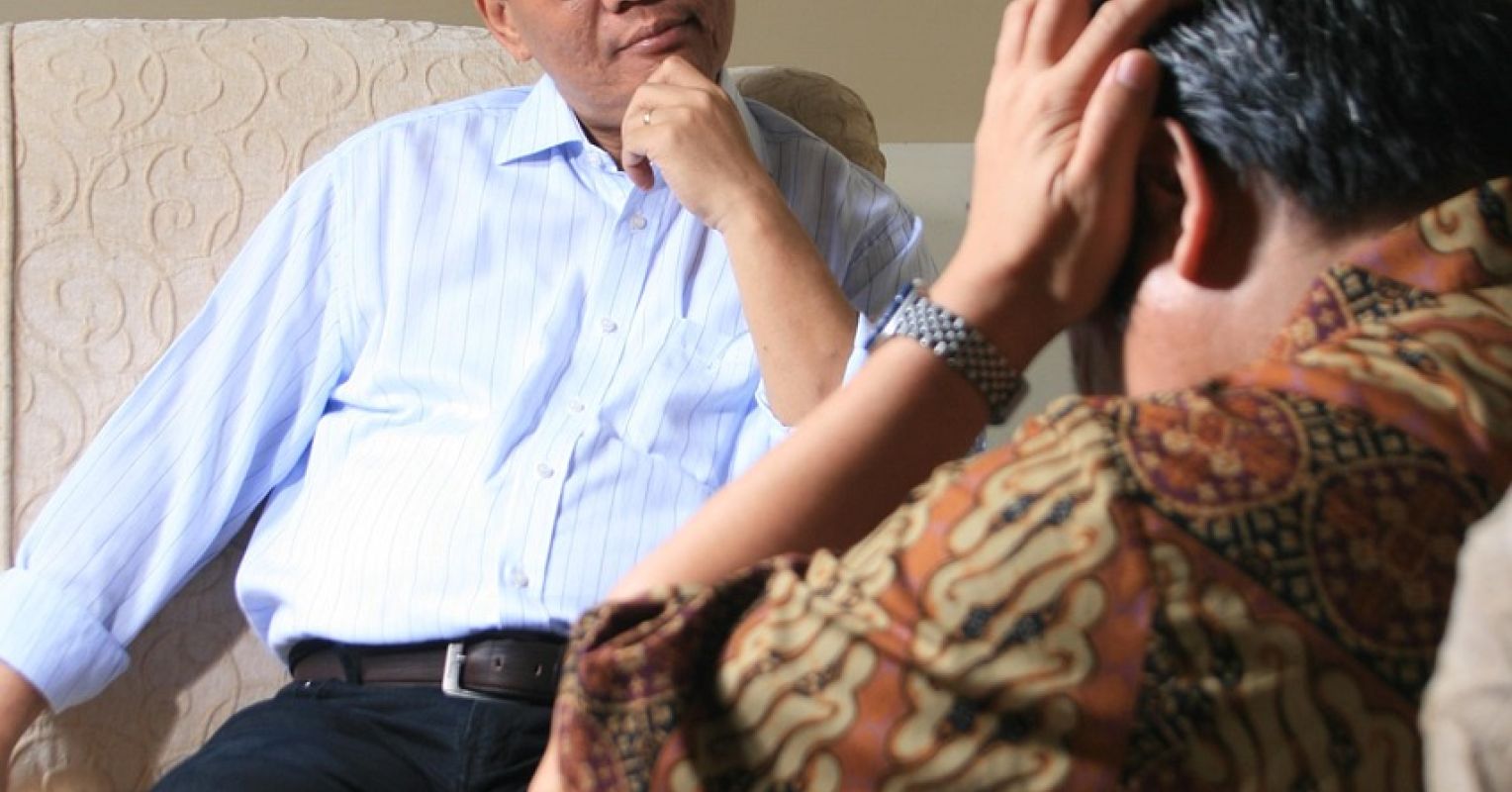
Calling clients resistant often implies the client is intentionally blocking progress, as if they alone are the reason therapy isn't working. That framing has always troubled me, because more often than not, what gets labeled "resistance" isn't a client problem at all. I've found that it's usually a relationship problem ( between client(s) and therapist or in their interactions/dynamic), and often, it's actually a therapist problem.
Research finds that across 500+ therapy models, the therapeutic relationship drives most the positive change. Presence, empathy, intention, and authentic listening serve as therapeutic forces outside clinical settings. With high anxiety and limited access to care, everyday supportive relationships fill a vital gap. Attentive, non-diagnostic care creates safe, evidence-backed moments of healing that anyone can provide. A Moment That Sparked a Reframe In the summer of 2024, I attended a weeklong writing workshop at Endicott College.
Carl Rogers is known for developing client-centered therapy, the essence of which can be summed up in the idea that it is the client and not the therapist who knows best and what directions to go in. But the idea that the client can be trusted to find their own direction is at odds with most psychology and psychiatry interventions, and is what made Rogers' approach to therapy so radical, not only at the time of his writing in the 1950s, but even today.