#supersonic-flight
#supersonic-flight
[ follow ]
#faa #aviation #concorde #aviation-history #airline-economics #x-59 #sonic-boom-mitigation #supersonic-competition
fromFast Company
6 months agoNASA's X-59 takes off: The race to resurrect supersonic flight begins
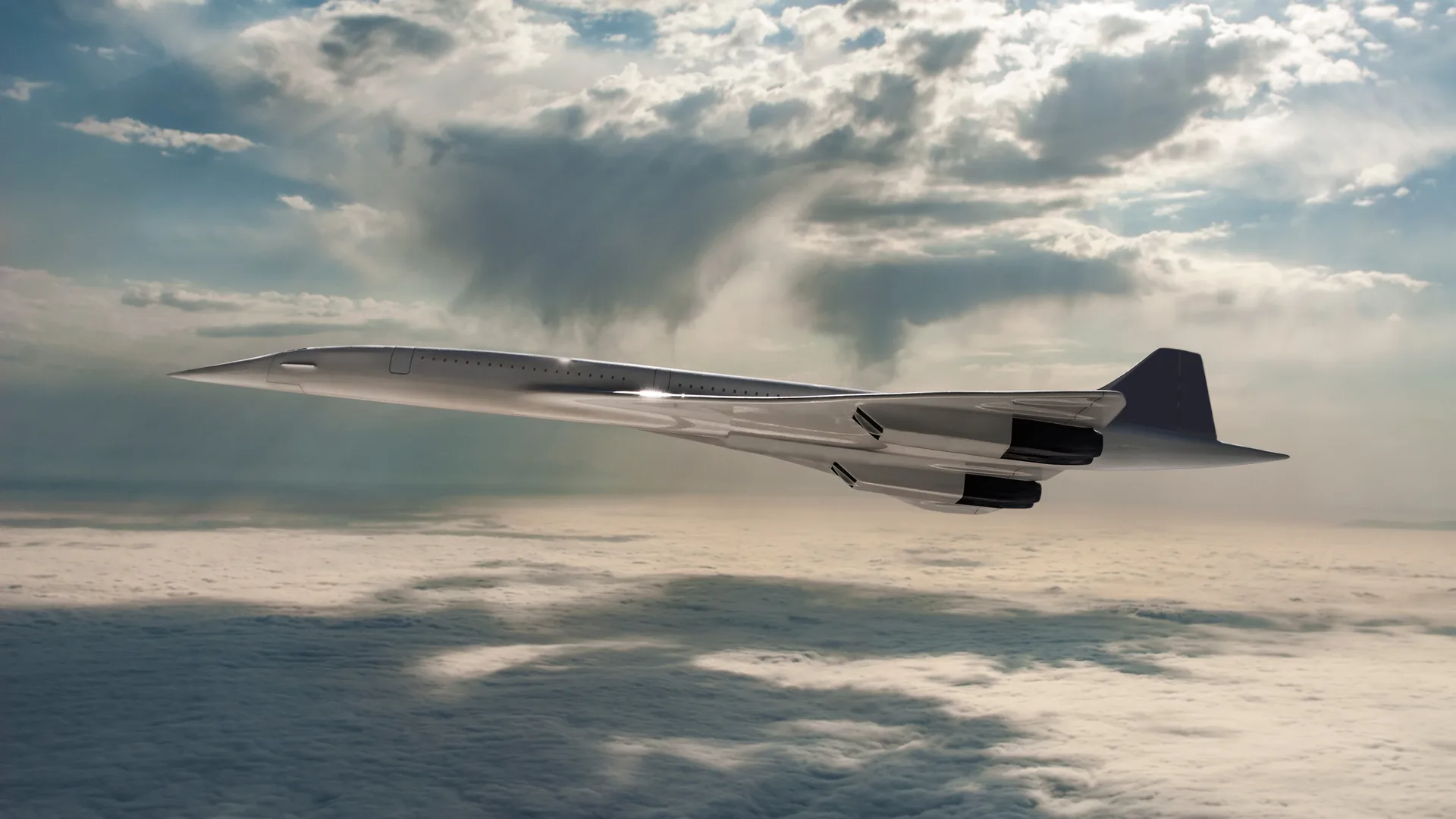
At last, the X-59 is airborne. NASA's quiet supersonic airplane took to the skies in Palmdale, California, successfully landing back a few minutes later. While this initial sortie on October 28 was a subsonic check of basic systems and airworthiness, the flight represents the penultimate step toward reviving supersonic passenger travel over land. It also marks the beginning of a race to see which of three supersonic airplane ideas wins and becomes the dominant design of the 21st century.
Science
from24/7 Wall St.
7 months agoLightning in the Sky: The Fastest Fighter Jets in the World
In October of 1947, Captain Charles E. "Chuck" Yeager successfully broke the sound barrier for the first time. He flew over Rogers Dry Lake near Muroc Army Airfield (which was later renamed Edwards AFB in 1950) at 45,000 feet. Yeager zoomed over 700 mph, and a great sonic boom rang out across the Mojave Desert. Since this historical aeronautical event, countless others have accelerated past the speed of sound, and we continue to develop faster fighter jets.
Science
#aviation
SF politics
fromTheregister
11 months agoBill tries to end supersonic speed limits in the US skies
A bipartisan bill aims to permit quiet supersonic flight over the continental US after 52 years, pending FAA's compliance.
The Supersonic Aviation Modernization Act allows for controlled supersonic flight while mitigating sonic booms.
SF politics
fromTheregister
11 months agoBill tries to end supersonic speed limits in the US skies
A bipartisan bill aims to permit quiet supersonic flight over the continental US after 52 years, pending FAA's compliance.
The Supersonic Aviation Modernization Act allows for controlled supersonic flight while mitigating sonic booms.
[ Load more ]