#special-educational-needs
#special-educational-needs
[ follow ]
fromwww.independent.co.uk
2 months agoGovernment warned SEND reforms leave unanswered questions'
The Public Accounts Committee (PAC) has urged the government to clarify, as a matter of urgency, how it plans to support councils facing ongoing SEND deficits and the high costs of transporting children to school in taxis, coaches, and buses. This intervention follows ministers' unveiling of sweeping reforms to the SEND system, intended to make it more inclusive for children with additional needs and, in the long term, reduce costs for local authorities.
UK news
fromwww.theguardian.com
2 months agoSend support for schoolchildren in England to be given 4bn overhaul
Ministers will unveil a generational overhaul of special educational needs and disabilities (Send) support, pledging 4bn to transform provision in schools in England and warning councils they could lose control of Send services if they fail to meet their legal duties. The reforms are expected to be a key policy moment for Keir Starmer and for the education secretary, Bridget Phillipson who delayed the changes last autumn after a ferocious backlash from MPs and parents.
Education

fromwww.theguardian.com
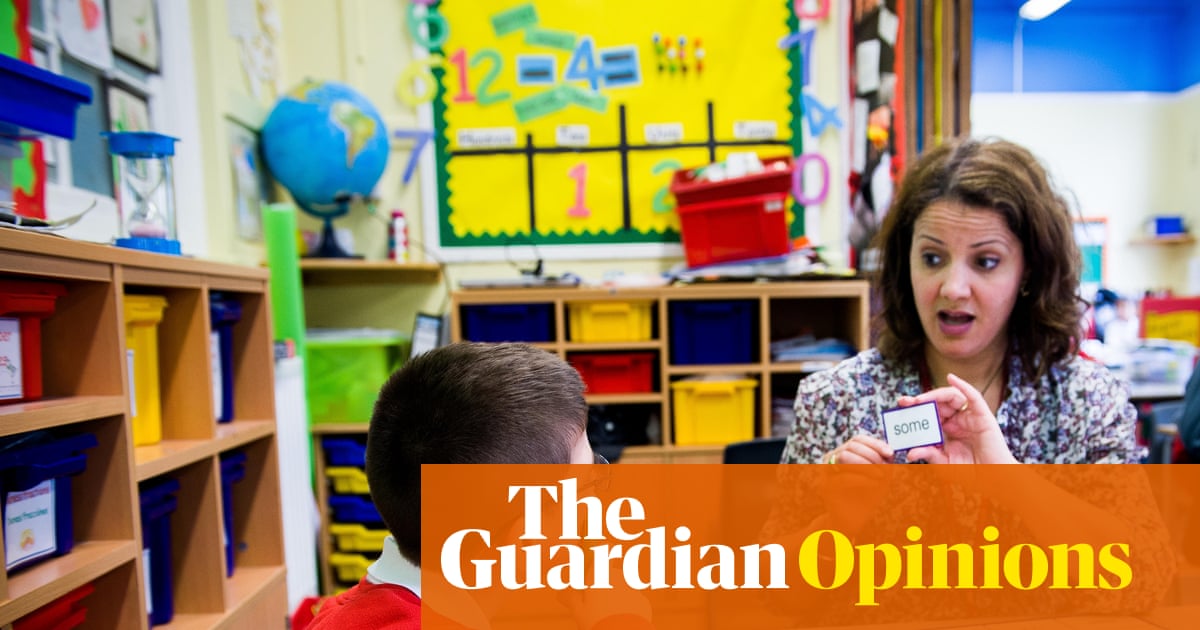
3 months agoThey're not listening!': the government's gamble on special education reform podcast
Next week, the government is expected to announce its education white paper. It is a moment, as political correspondent Alexandra Topping explains, of high political peril. Part of the proposals will be reforms to special educational needs provision in England. And while nearly all agree that the current system is broken extremely expensive, very divisive, and failing the most vulnerable children the mood around the announcements is still tense.
Education

fromwww.theguardian.com
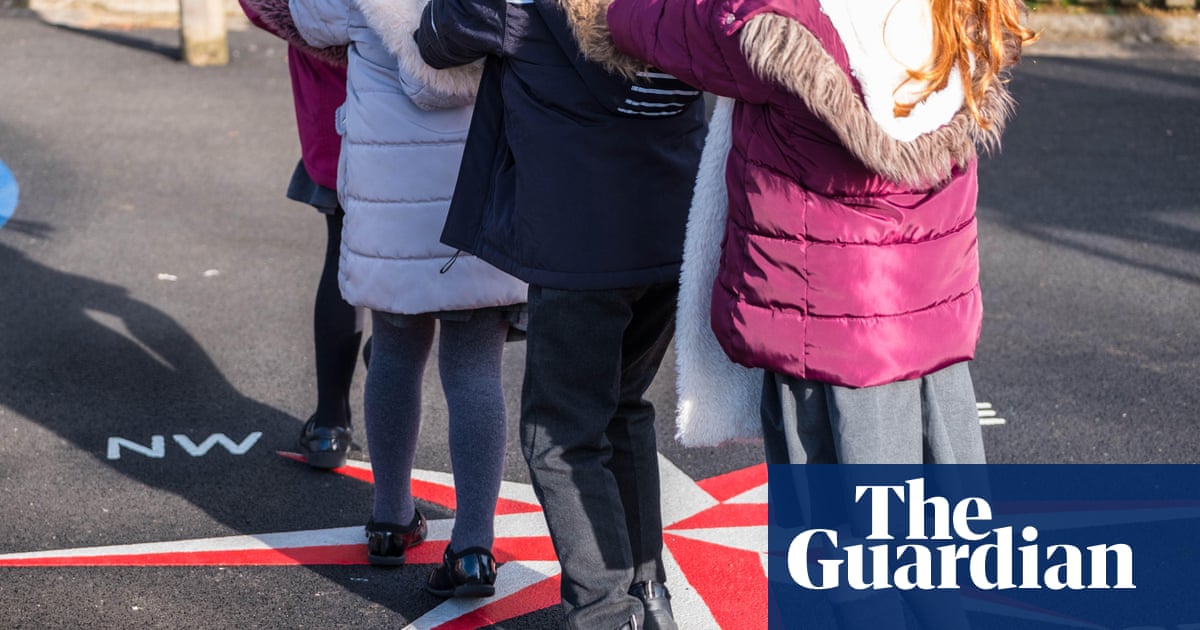
3 months agoEnglish secondary schools must offer inclusion areas for neurodiverse and Send pupils
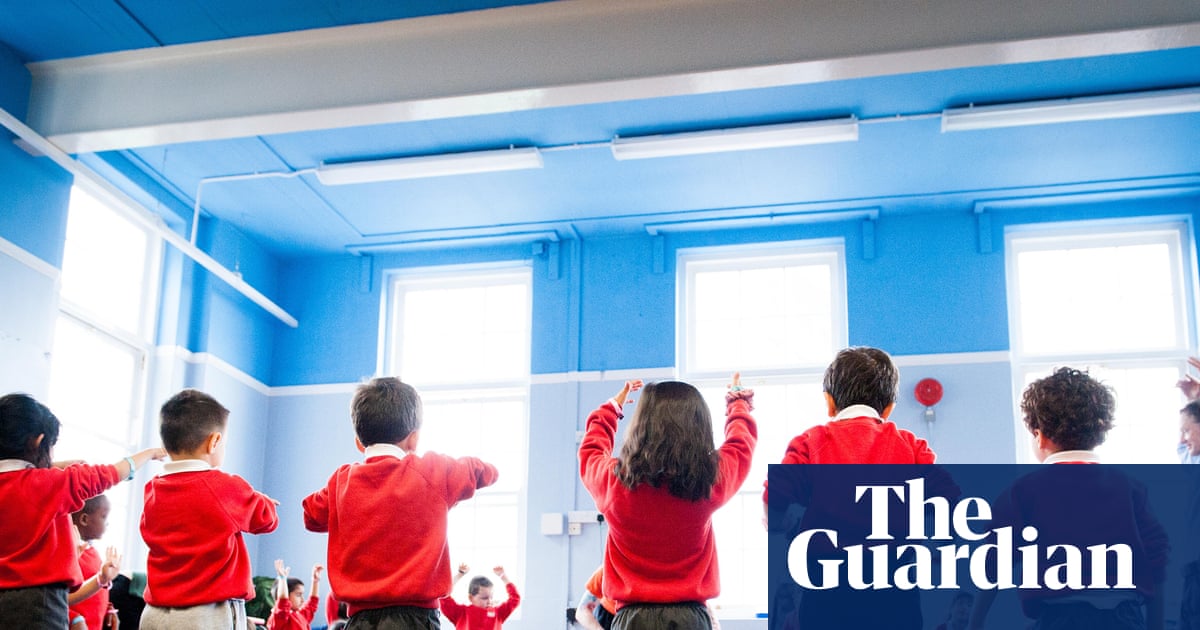
Universal inclusion bases are spaces away from classrooms where children with additional needs can get support for some lessons. They are seen as a key part of government plans to overhaul special educational needs and disabilities (Send) support. Ministers have been frantically promoting a vision of a more inclusive education system, ahead of the publication of a landmark schools white paper, widely seen as the most high-stakes policy reform the government has attempted since the welfare rebellion last year.
UK politics

Education
fromwww.theguardian.com
4 months agoCrunch time' on rising costs of Send provision in England, says thinktank
Special needs education spending is rising sharply, doubling by 2028, squeezing mainstream school budgets and forcing choices between slower Send growth, diverted funds, or resources.
fromwww.bbc.com
4 months agoTeen with complex needs had no support - report
The 17-year-old boy, known only as Y, missed out on home-based support for his autism, dyslexia and social skills to which he was legally entitled - partly due to Camden Council's attempt to overturn a special educational needs and disabilities (Send) tribunal's decision. The ombudsman ruled the council caused injustice to both the teenager and his mother - known as Miss X - who experienced "significant distress" during her struggle to get her son support.
Education
Education
fromwww.theguardian.com
4 months agoTeachers strike at two Greater Manchester primary schools over culture of violence'
Teachers at two Greater Manchester primary schools are striking over near-daily pupil assaults, inadequate support for complex needs, and alleged staff intimidation by trust leaders.


Education
fromwww.standard.co.uk
5 months agoPrimary school in Newham to close due to lack of pupils as London's school closures crisis grows
Calverton Primary School will close next year due to falling pupil numbers and a £1.1 million budget deficit despite strong parental opposition and SEND concerns.

fromwww.theguardian.com
5 months agoThe Guardian view on the Send crisis: Bridget Phillipson must be tough with the Treasury so children aren't penalised | Editorial
The crisis over special educational needs and disabilities in England is not just a question of cash. Children and parents spend months and years battling for support to which the law entitles them, schools lack the funding to meet needs, and specialist provision is inadequate. An adversarial system shunts families towards tribunals that councils almost invariably lose. Tory reforms created obligations for local authorities but did not adequately fund them allowing ministers to duck responsibility.
UK politics
Education
fromwww.theguardian.com
8 months agoThird of UK parents have sought special needs assessment for their child, survey finds
One in three parents have sought special educational needs assessments; many face long waits, private assessments, job loss, and financial strain amid shortages of support.
UK politics
fromwww.theguardian.com
8 months agoParents and children who struggle at school need to be supported, not shamed | Letters
Parents of children with special needs face long waits, inadequate support, and service cuts that make daily routines, education access, and stable work nearly impossible.

fromwww.theguardian.com
10 months agoThe Guardian view on special needs reform: children's needs must be the priority as the system is redesigned | Editorial
The rising number of children receiving extra help has placed pressure on schools and councils, indicating that the current trajectory for managing special educational needs is unsustainable.
Education
fromwww.theguardian.com
11 months agoOver half of English councils face insolvency under 5bn deficit, MPs warn
Sir Geoffrey Clifton-Brown, the PAC's chair, stated that the government's inaction suggests it is comfortable with the current state of local authority finances, perceiving issues as normalized.
London politics
[ Load more ]