#security-vulnerabilities
#security-vulnerabilities
[ follow ]
#cybersecurity #remote-code-execution #openclaw #cve #ai-agents #whatsapp #ai-coding-assistants #patch-tuesday
#linux-kernel


Information security
fromtheregister
1 week ago'Dirty Frag' Linux flaw one-ups CopyFail with no patches and public root exploit
Dirty Frag is a universal Linux local privilege escalation flaw chaining two kernel bugs, enabling unprivileged users to gain immediate root on major distributions without patches or CVE.












fromComputerworld
1 month agoA core infrastructure engineer pleads guilty to federal charges in insider attack
Rhyne's attack involved unauthorized remote desktop sessions, deletion of network administrator accounts, and changing of passwords, showcasing significant security vulnerabilities.
Information security
fromSecurityWeek
1 month agoChrome 146 Update Patches High-Severity Vulnerabilities
The first vulnerability, CVE-2026-4673, is a heap buffer overflow issue in WebAudio that earned the reporting researcher a $7,000 bug bounty reward. Google has yet to determine the bounty amount for CVE-2026-4677, another bug reported by the same researcher.
Information security
Information security
fromComputerworld
2 months agoFor March, Patch Tuesday delivers fixes for 83 vulnerabilities
Microsoft's March Patch Tuesday addresses 83 vulnerabilities including two zero-day exploits in SQL Server and .NET, while introducing Common Log File System hardening with signature verification.
fromSubstack
2 months agoFriday Links #36: JavaScript, AI Tools, and Ecosystem Updates
The TypeScript team released an early preview of TypeScript 6. This release is mainly about internal changes preparing for the future Go-based compiler planned for TypeScript 7. Large monorepos could see dramatic speed improvements once the Go compiler lands.
JavaScript

fromThe Hacker News
2 months agoApple Issues Security Updates for Older iOS Devices Targeted by Coruna WebKit Exploit
This fix associated with the Coruna exploit was shipped in iOS 17.2 on December 11th, 2023. This update brings that fix to devices that cannot update to the latest iOS version.
Information security
#ai-agents
Artificial intelligence
fromTechCrunch
2 months agoMeta acquired Moltbook, the AI agent social network that went viral because of fake posts | TechCrunch
Meta acquired Moltbook, a social network for AI agents using OpenClaw, integrating it into Meta Superintelligence Labs with creators Matt Schlicht and Ben Parr joining the team.

Artificial intelligence
fromTechCrunch
2 months agoMeta acquired Moltbook, the AI agent social network that went viral because of fake posts | TechCrunch
Meta acquired Moltbook, a social network for AI agents using OpenClaw, integrating it into Meta Superintelligence Labs with creators Matt Schlicht and Ben Parr joining the team.
Information security
fromTechzine Global
2 months agoCisco details further vulnerabilities in Catalyst SD-WAN Manager
Cisco disclosed five vulnerabilities in Catalyst SD-WAN Manager with CVSS scores ranging from medium to critical, two actively exploited, requiring immediate patching with no workarounds available.
fromThisweekinreact
2 months agoThis Week In React #271: Vinext, RSC, Activity, Async React, Next.js, TanStack | Expo 55, Router, Survey, Enriched, Maestro, Metro, Sparkling, Grab, Brownfield | TC39, Temporal, Navigation, npmx, Bun, Deno, Solid | This Week In React
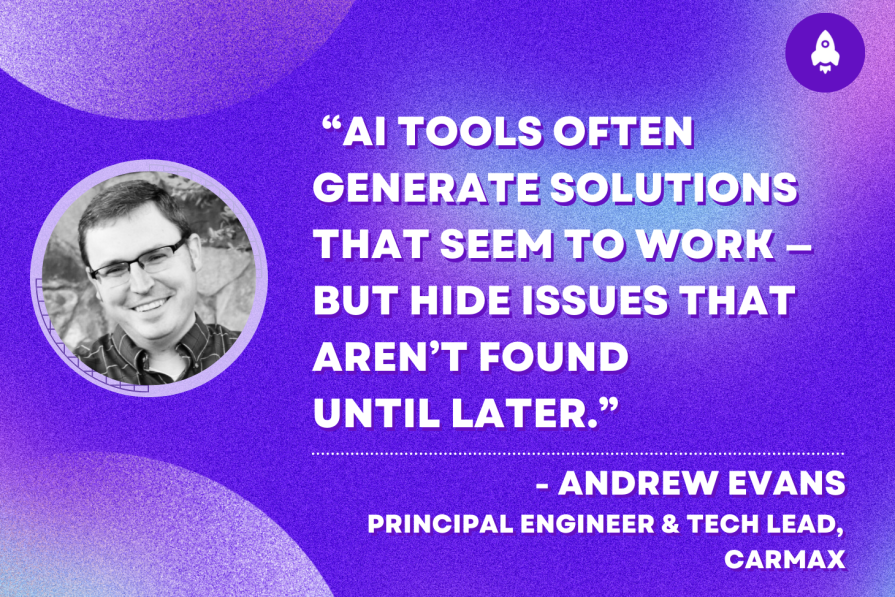
We've identified, responsibly disclosed, and confirmed 2 critical, 2 high, 2 medium, 1 low security vulnerabilities. Vibe-Hacking Cloudflare's Vibe-Coded Next.js Replacement demonstrates that AI-generated code passing functional tests can still miss security hardening, and automated AI tooling can help find those vulnerabilities.
React
fromTheregister
2 months agoUsing a Raspberry Pi to run OpenClaw makes no sense
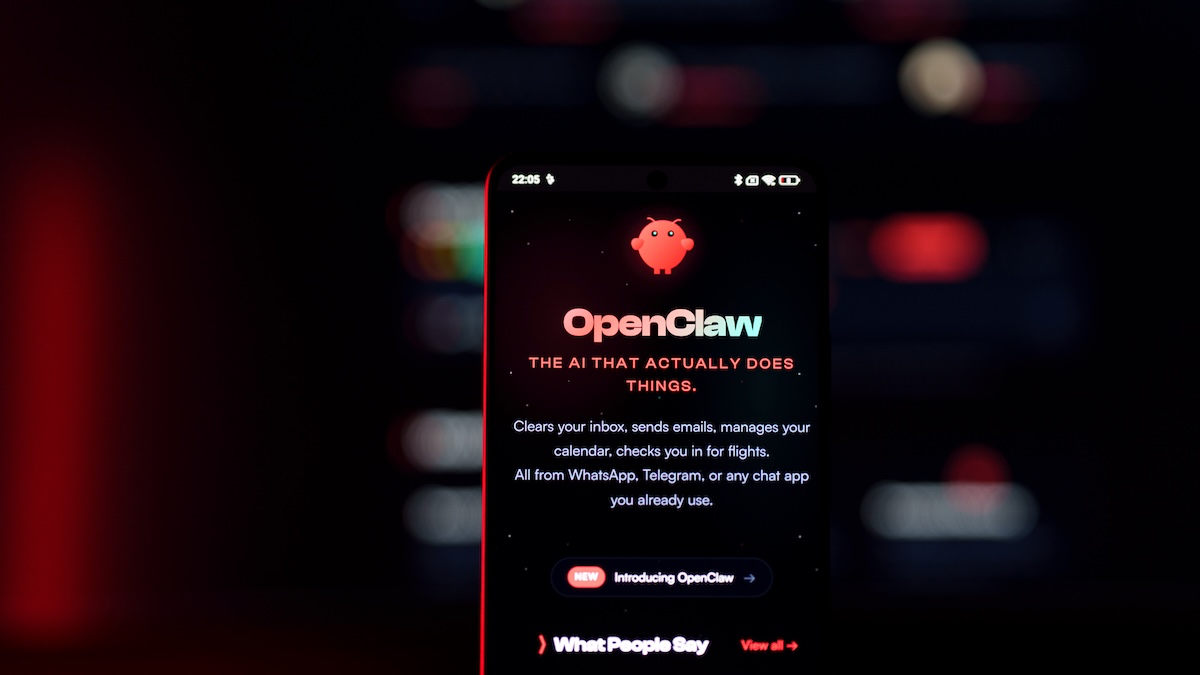
The viral AI personal assistant, formerly known as Clawdbot and Moltbot, has dominated the feeds of AI boosters over the past few weeks for its ability to perform everyday tasks like sending emails, managing calendars, booking appointments, and complaining about their meatbag masters on the purportedly all-agent forum known as MoltBook. More level-headed voices have already flagged a wave of security vulnerabilities.
Gadgets
Artificial intelligence
fromZDNET
2 months agoAI agents are fast, loose and out of control, MIT study finds
Agentic AI systems currently exhibit significant security risks, limited transparency, inadequate disclosure, and inconsistent safety protocols, requiring stronger developer responsibility and oversight.






Artificial intelligence
fromArs Technica
3 months agoAI agents now have their own Reddit-style social network, and it's getting weird fast
Moltbook hosts tens of thousands of autonomous AI agents that post, comment, upvote, and form subcommunities, producing surreal content and raising security concerns.
fromThisweekinreact
4 months agoThis Week In React #263: DoS, RSC Explorer, Base UI, shadcn, Blender, TanStack, Format.js | Hermes, Screens, Survey, React Navigation, ZoomGrid, Radon, TrueSheet, PagerView, Nitro | Node.js, TypeScript, Safari, State of HTML | This Week In React
It's been another challenging week for the React ecosystem. Developers worldwide have been rushing to update their React versions to patch two new vulnerabilities. This serves as a good reminder for all of us to prioritize security during testing. Fortunately, React Native remains mostly unaffected by these threats, as Server Components aren't yet widely used in the mobile environment. We are taking a well-deserved Christmas break 🎄 so this will be our last issue until January 14th.
React
Information security
fromThe Hacker News
5 months agoThree PCIe Encryption Weaknesses Expose PCIe 5.0+ Systems to Faulty Data Handling
Three PCIe IDE protocol vulnerabilities (CVE-2025-9612/9613/9614) can enable information disclosure, privilege escalation, or denial of service with local physical or low-level access.
fromFuturism
6 months agoResearchers Find Severe Vulnerabilities in AI Browser
A hype cycle as overwhelming and logic-defying as the AI boom comes with its own whirlwind succession of trends that are their own mini booms driven by billions of dollars of money. Once the world got used to large language model-powered AI chatbots, autonomous AI agents became the next big thing. This past year, video generating models have been having their time in the Sun after rapid improvements.
Artificial intelligence
Artificial intelligence
fromFortune
7 months agoPerplexity's 31-year-old CEO horrified after getting tagged by a student using his free AI browser to cheat: 'Absolutely don't do this' | Fortune
Perplexity's Comet browser can autonomously complete student assignments in seconds, enabling cheating and posing security risks despite the company's warning to avoid misuse.
fromComputerWeekly.com
9 months agoAttacker could defeat Dell firmware flaws with a vegetable | Computer Weekly
The vulnerabilities on ControlVault USHs were potentially highly dangerous. These laptop models are widely-used in the cybersecurity industry, government settings and challenging environments in their rugged version.
Privacy technologies
Privacy technologies
fromTechCrunch
9 months agoSex toy maker Lovense threatens legal action after fixing security flaws that exposed users' data | TechCrunch
Lovense fixed security vulnerabilities that exposed emails and allowed account takeovers but is considering legal action over reported disclosures.


fromsfist.com
9 months agoSam Altman Warns of Coming AI-Created 'Fraud Crisis'
I am very nervous that we have an impending, significant, impending fraud crisis. A thing that terrifies me is apparently there are still some financial institutions that will accept a voice print as authentication for you to move a lot of money.
Privacy professionals


Privacy technologies
fromTheregister
10 months agoSitecore fixes pre-auth RCE exploits in enterprise CMS
A pre-authentication exploit chain in Sitecore CMS could lead to full system takeover, affecting major companies.
Researchers found hardcoded passwords and other vulnerabilities in Sitecore CMS, posing serious security risks.
fromThe Hacker News
11 months agoHPE Issues Security Patch for StoreOnce Bug Allowing Remote Authentication Bypass
These vulnerabilities could be remotely exploited to allow remote code execution, disclosure of information, server-side request forgery, authentication bypass, arbitrary file deletion, and directory traversal information disclosure vulnerabilities.
Information security
[ Load more ]