Nelson is among the more than 32,000 farmers across Haiti whose produce goes to the World Food Programme, a United Nations agency, for distribution to local schools. Together, the farmers feed an estimated 600,000 students each day. Their work is part of a shift in how the World Food Programme operates in Haiti, the most impoverished country in the Western Hemisphere.
Senate Bill 25, which mandates that packaged foods sold in Texas display warning labels if they contain synthetic food dyes, including Blue No. 2 and Green No. 3. These additives have come under increased scrutiny for potential behavioral and health effects, especially in children. Beginning in 2027, products with these synthetic food dyes will be required to display a label stating, "WARNING: This product contains an ingredient that is not recommended for human consumption by the appropriate authority in Australia, Canada, the European Union or the United Kingdom." (Related: Kraft Heinz removes SYNTHETIC DYES from its products, aligning with MAHA initiative.)
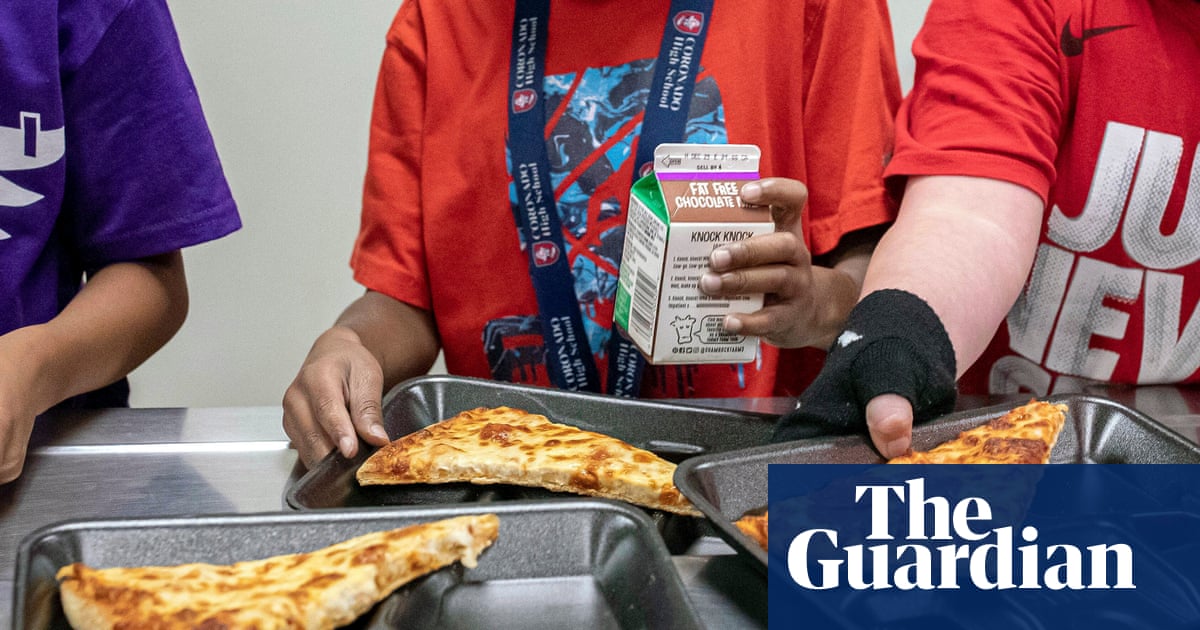
The law, which Gov. Newsom signed on Wednesday, provides a first-ever statutory definition of ultra-processed foods in the U.S. and will ban some that are "of concern" in California schools starting in 2035. Under the legislation, which is expected to touch off a major overhaul of school cafeteria meals, the state's Department of Public Health will identify ultra-processed foods "of concern" and "restricted school foods" - another prohibited category - by 2028. A year later, schools are required to begin phasing them out.
More than 360 people fell ill in Sragen after consuming school lunches, marking the largest food poisoning incident linked to the free meals programme.
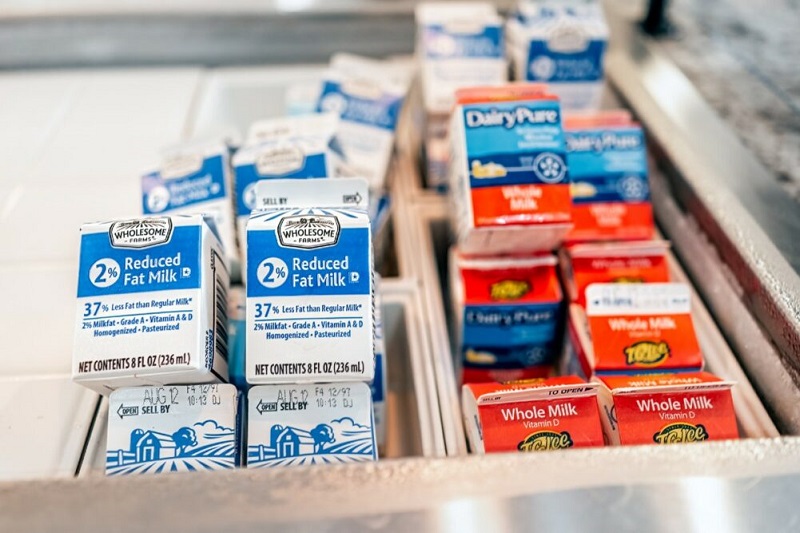
Dairy companies are committed to eliminating certified artificial colors from products sold in schools by July 2026, enhancing children's nutrition and health.