The EU resolution stated that it 'strongly condemns the continued arbitrary detention of democratically elected President Bazoum and his wife.' The EU further demanded their 'immediate and unconditional release.'
Fifteen years ago, Egyptians from all walks of life took to the street to demand "bread, freedom, social justice." They were protesting the oppressive 30-year rule of Hosni Mubarak. Egypt had been under martial law for 31 years. This meant that political opposition was silenced, and opponents were often imprisoned and tortured. Police brutality was the norm. Egypt's economy was also weak and relied heavily on foreign aid and loans from the World Bank and International Monetary Fund.
Bilateral ties between Egypt and Somalia continue to deepen. Egyptian President Abdel Fattah el-Sissi assured his Somali counterpart, Hassan Sheikh Mohamud on Sunday in Cairothat Egypt stands firmly behind "Somalia's unity and territorial integrity." On Wednesday, Cairo then followed up on an agreement from January 2025 and deployed 1,091 troops to Somalia's capital Mogadishu. The deployment of Egyptian forces to Somalia the first such deployment in their decades-old bilateral history marks a significant shift.
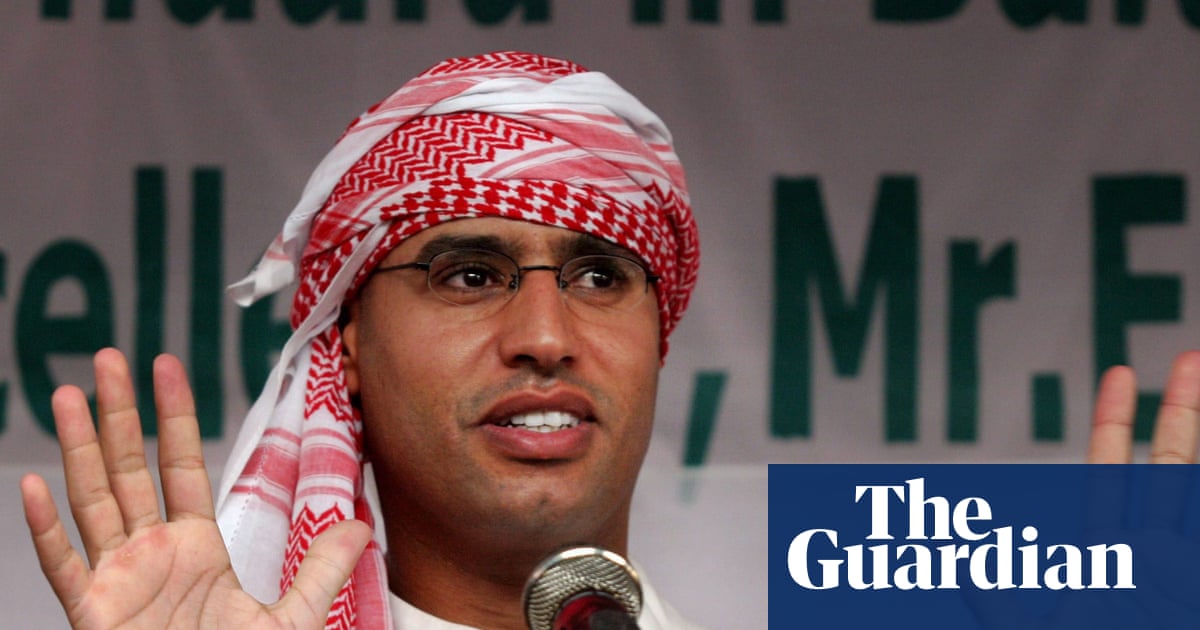
The killing of Saif al-Islam Gaddafi, the most prominent surviving son of former Libyan dictator Muammar Gaddafi, removes a figure who commanded symbolic influence among some Libyans, even as he was reviled by others as the representative of a hated regime. The 53-year-old, killed on Tuesday in the western Libyan town of Zintan, was an alternative to the country's current power duopoly, split between the United Nations-recognised government in the capital, Tripoli, and the so-called Libyan National Army in the east of the country.
Among the rebels who, on December 8, entered Damascus and put an end to almost 14 years of conflict and the Assad family regime one of the cruellest and longest-lasting in the Middle East was one who spoke Spanish with a slight Caribbean accent. Dr. Bachar Alkaderi, a graduate of the University of Medical Sciences of Havana, specializing in general and thoracic surgery, became, through the twists of fate and history, a revolutionary commander.
By backing al-Maliki, Washington paved the way for the chaos and instability it sought to avert. During his first two terms, al-Maliki established a governance template that deliberately dismantled the post-2003 settlement's vision of inclusive politics. He pursued policies of deliberate exclusion of the Sunni population on the political and social levels under the guise of de-Baathification. While originally intended to remove Saddam Hussein's loyalists, the process was weaponised by al-Maliki as a sectarian tool.