Much of the fighting was concentrated around the strategic hilltop city of Khiam, with the Israel Defense Forces carrying out an air and artillery campaign against Hezbollah fighters dug into the city. Fighting escalated there after days of clashes, with a Hezbollah spokesperson acknowledging there were heightened clashes on the eastern and northern outskirts of the city.
All you would need is a ship under a foreign flag positioned offshore to launch hundreds of drones, or even a truck carrying them. When I served as deputy administrator at the National Nuclear Security Administration, overseeing nuclear programs, the drone threat was something we were deeply concerned about.
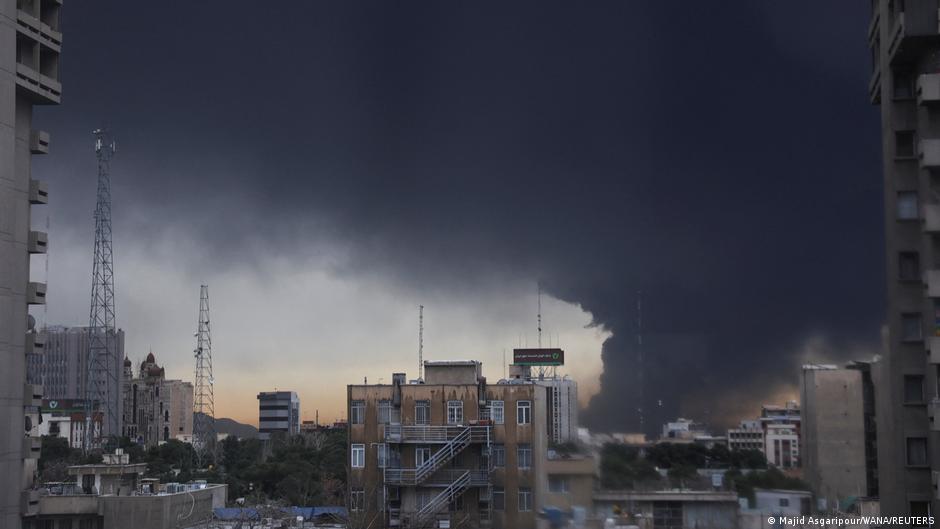
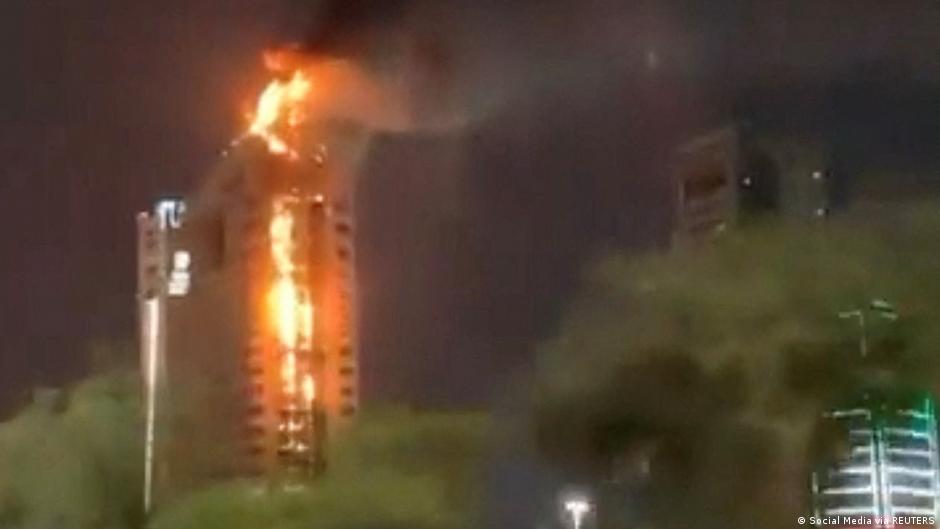
On the night of Saturday, March 6, Israeli forces struck three sets of oil depots ringing Tehran - west, east, and south - simultaneously. The explosions were massive. Nearby residential areas were destroyed. Millions of liters of gasoline, diesel, and petroleum derivatives ignited, sending columns of black smoke thousands of feet into the air.
The reported wiper attack ... may represent a similar dynamic, an early signal of activity that could expand beyond a single target. Organizations need to assume that attackers will gain a foothold and focus on proactively shutting down the attack paths adversaries rely on to escalate privileges, move laterally and expand their impact.
As the scope of the regional war expands to infrastructure war, the scope of Iran's legitimate targets expands. The Americans should await our countermeasure and our painful response, a spokesperson for the Khatam al-Anbiya Headquarters, the IRGC's unified combatant command declared.
OPINION - The global terrorism landscape in 2026 - the 25 th anniversary year of the 9/11 terrorism attacks - is more uncertain, hybridized, and combustible than at any point since 9/11. Framing a sound U.S. counterterrorism strategy - especially in the second year of a Trump administration - will require more than isolated strikes against ISIS in Nigeria, punitive counterterrorism operations in Syria, or a tougher rhetorical posture.
The hacktivist threat in the Middle East is highly lopsided, with two groups, Keymous+ and DieNet, driving nearly 70% of all attack activity between February 28 and March 2. In all, a total of 149 hacktivist DDoS claims were recorded targeting 110 distinct organizations across 16 countries. The attacks were carried out by 12 different groups, including Keymous+, DieNet, and NoName057(16), which accounted for 74.6% of all activity.
As a veteran of the war on terror, I have spent the past year watching Immigration and Customs Enforcement officers expand their operations across the country on a heretofore unprecedented scale and with a new faux-military bearing. From equipment to weapons to tactics, ICE and other immigration enforcement bodies want to be seen as combat forces carrying out their missions.
Being on the receiving end of what was the world's first true cyber weapon showed Iran exactly what was possible then and in the future. In response, Iran moved aggressively to build its cyber capabilities. The country established governance and coordination structures-including the Supreme Council of Cyberspace in 2012-to advance its goals, while also sponsoring advanced persistent threat groups.
Entering the cyber world is stepping into a warzone. Cyber is considered a war zone, and what happens there is described as cyberwar. But it's not that simple. War is conducted by nations (political), not undertaken by criminals (financial). Both are increasing in this war zone we call cyber, but the political threat is growing fast. Cyberwar is a complex subject, and a formal definition is difficult.
A Farsi-speaking threat actor aligned with Iranian state interests is suspected to be behind a new campaign targeting non-governmental organizations and individuals involved in documenting recent human rights abuses. The activity, observed by HarfangLab in January 2026, has been codenamed RedKitten. It's said to coincide with the nationwide unrest in Iran that began towards the end of 2025, protesting soaring inflation, rising food prices, and currency depreciation.