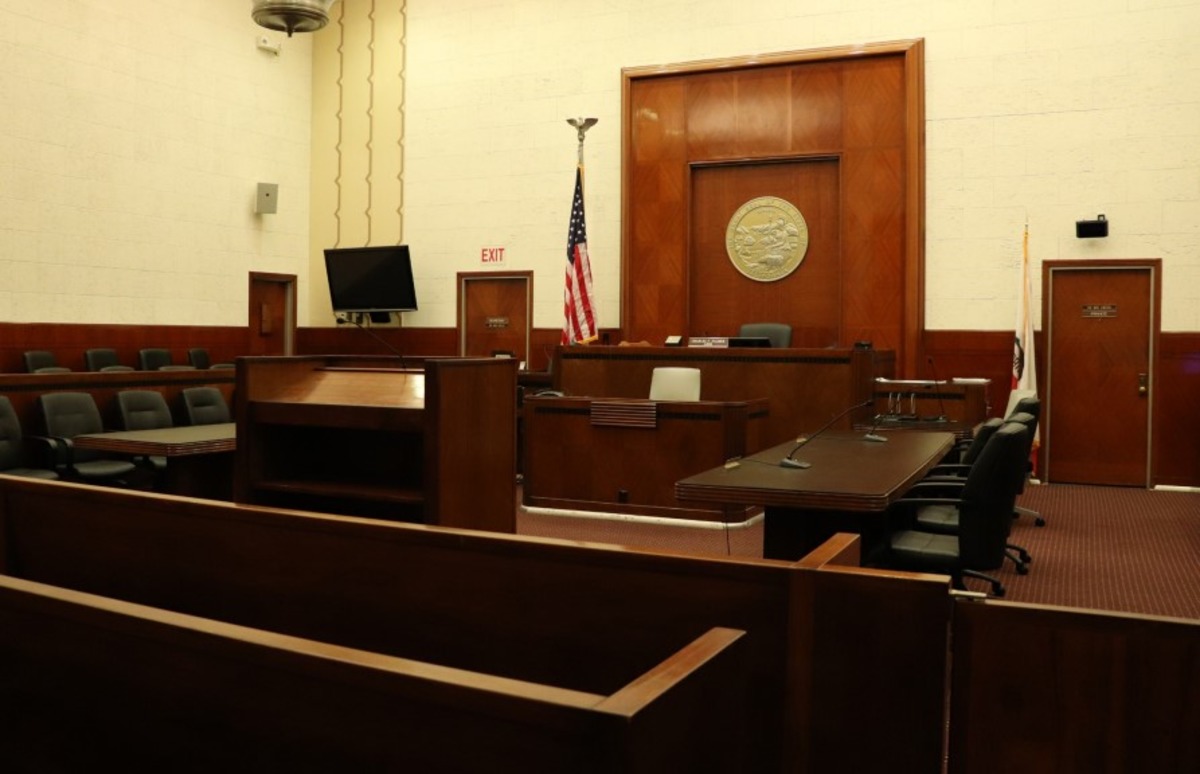
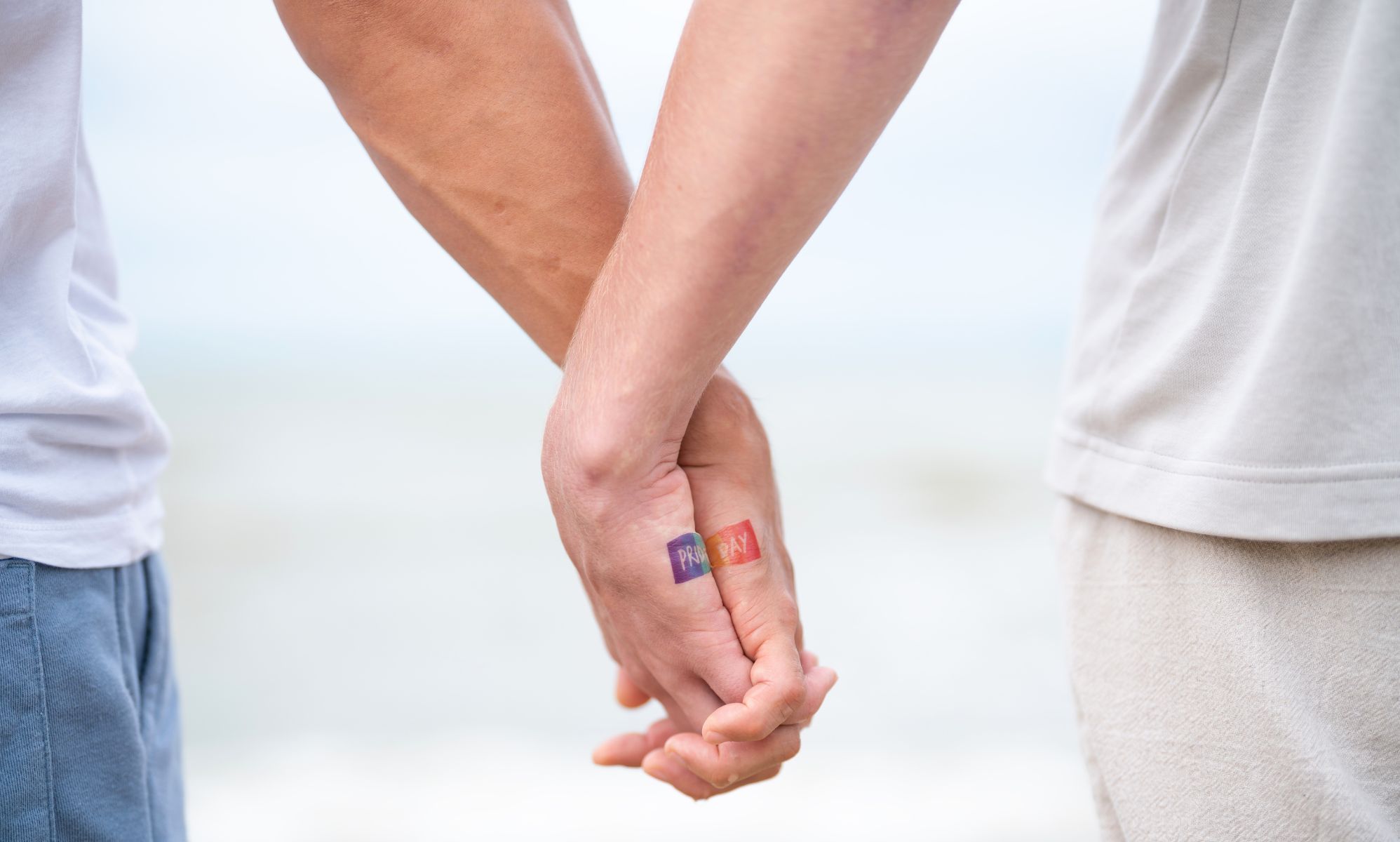
What happened: After years of lawsuits, the state supreme court adjusted its code of conduct for local judges that previously banned them from performing opposite-sex marriages but refused to perform same-sex marriages because it creates the appearance of bias. Bias is OK now if a judge cites a "sincerely held religious belief." Why it matters: In rural parts of the state, there could be as few as one judge in the county who performs marriages at all, adding to the burden LGBTQ+ people have to carry in order to access their rights.
The U.S. Supreme Court has ruled that religious colleges are not under the purview of federal labor laws and need not recognize unions. Many religious colleges have chosen to do so voluntarily anyway. But in recent years, several educational institutions - now including Loyola Marymount - have claimed the religious exemption suddenly and without warning, effectively using it to shut down established faculty unions that they had previously recognized.