#regional-instability
#regional-instability
[ follow ]
#military-escalation #middle-east-conflict #middle-east-crisis #us-iran-conflict #middle-east-escalation
#us-iran-conflict

World politics
fromwww.theguardian.com
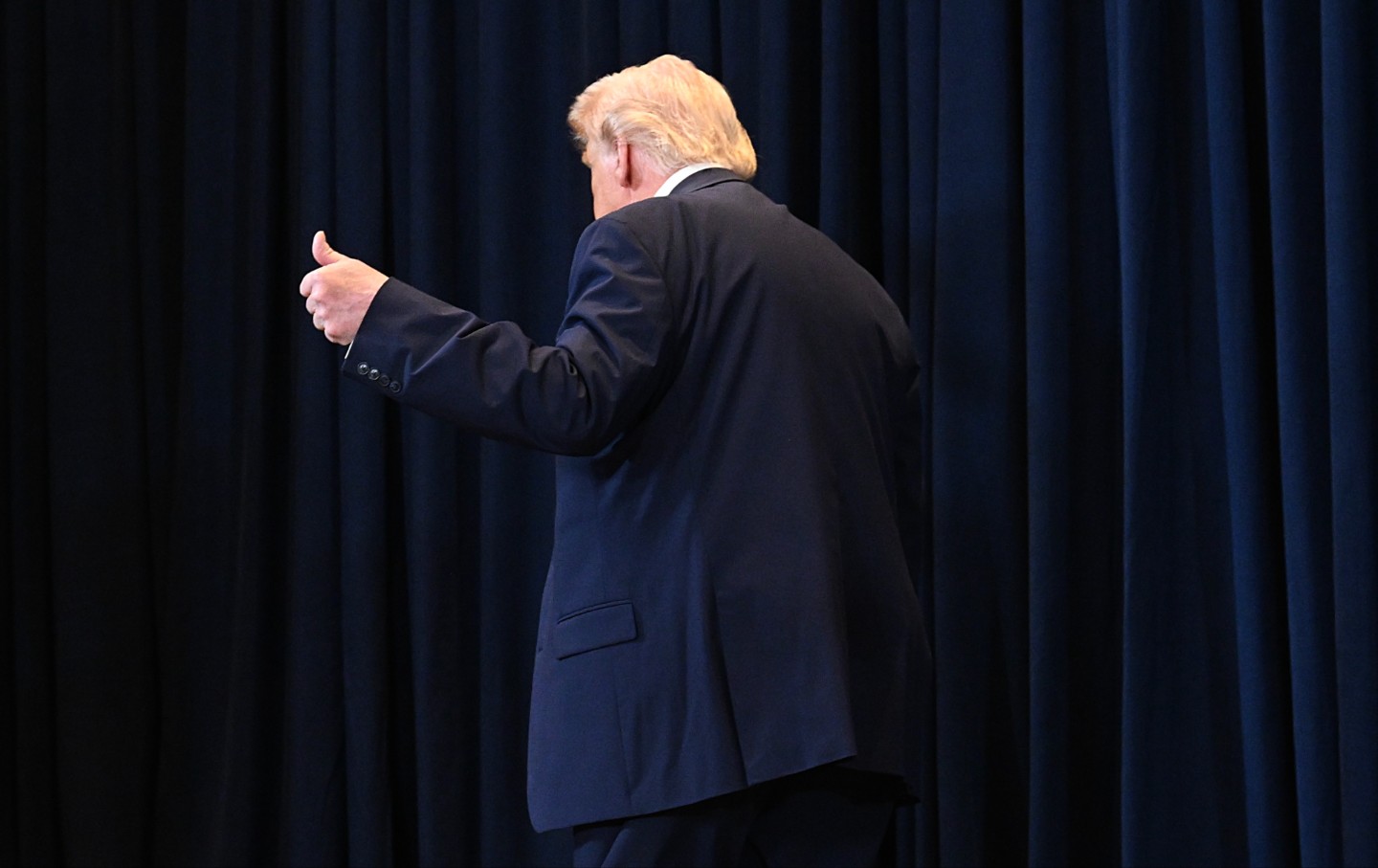
1 month agoThe Guardian view on the Iran war escalation: as Trump breaks things, who will pick up the pieces? | Editorial
US-Israel military escalation against Iran, including attacks on critical infrastructure like the South Pars gasfield, has triggered Iranian retaliation and threatens global energy supplies and regional stability.


fromwww.dw.com
1 month agoIran war overlaps with Afghanistan-Pakistan conflict
Taliban rulers in Afghanistan on Tuesday accused Pakistan of carrying out an airstrike that killed at least 400 people at a drug treatment hospital in Kabul late Monday. Afghan officials said the strike hit the 2,000-bed rehabilitation facility at around 9 p.m. local time (1630 GMT), causing extensive damage and leaving hundreds wounded, in a major escalation of the weekslong cross-border fighting between the neighbors.
World politics
fromwww.theguardian.com
1 month agoPakistan targets militant hideouts in Afghanistan as conflict continues
Pakistan's information minister, Attaullah Tarar, said the military had struck equipment storage facilities and technical support infrastructure in the attacks. The Afghan government said one of the buildings destroyed was used by its security guards.
World news
World news
fromBusiness Insider
2 months agoMissile alerts and a safe haven tested: Dubai 12 days into the Iran conflict
Dubai's safe haven status is challenged as drone strikes and intercepted attacks cause physical damage, prompting schools to go remote and authorities to restrict information sharing.
fromwww.aljazeera.com
2 months agoAttacks from all sides: Why Iraq was dragged into US-Israel war on Iran
Within hours of the United States-Israeli attacks on Iran, US assets in Iraq's Kurdistan region came under retaliatory attacks from Tehran-backed groups, dragging the country into the conflict that has since expanded across the Middle East and beyond. Since then, US assets located in Iraq have come under multiple attacks from pro-Iran groups and Iran's powerful Revolutionary Guard Corps (IGRC).
World news
World politics
fromwww.theguardian.com
2 months agoFrom Bush Sr to Trump: the risks, lessons and legacy of US interference in the Middle East
The United States has repeatedly intervened in Middle East conflicts since the Cold War, consistently producing unintended consequences and regional instability despite declarations of ending interference.
World news
fromwww.dw.com
2 months agoUS-Israel war on Iran could end Middle East tourism boom
US-Israeli military operations against Iran have caused widespread airspace closures and shipping disruptions across the Arabian Peninsula, stranding hundreds of thousands of travelers and severely impacting the region's rapidly growing tourism industry.
World news
fromWIRED
2 months agoHere's Every Country Directly Impacted by the War on Iran
US and Israeli forces launched strikes on Iran on February 28, triggering escalating military responses across the Middle East with hundreds of Iranian drone and ballistic missile attacks causing over 1,000 deaths and significant infrastructure damage.
fromwww.theguardian.com
2 months agoWho are the Kurds and why does Trump want them to join the war on Iran?
Numbering between 30 and 40 million worldwide, most live amid the peaks and valleys straddling the borders of Armenia, Iraq, Iran, Syria and Turkey. The Kurds link their history to that of the Medes, an ancient Middle Eastern people. They were left stateless a century ago when the borders of the modern Middle East emerged from the collapsing Ottoman empire.
World politics
France politics
fromwww.aljazeera.com
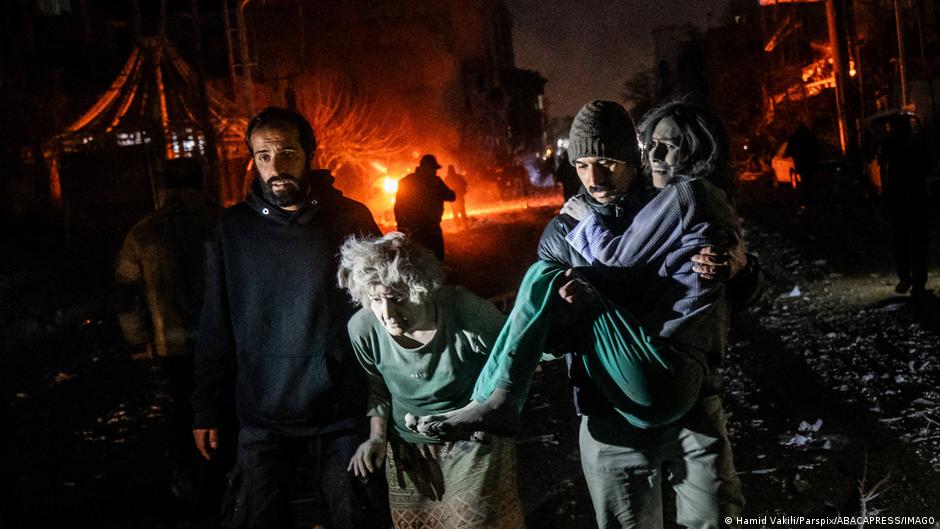
2 months agoIsrael kills more than 100 Lebanese as it commands Beirut residents to flee
Over 38,000 Syrians flee Lebanon to Syria as Israeli strikes kill 102 people and displace 83,000, creating a regional humanitarian crisis with forced evacuations across southern Lebanon and Beirut suburbs.
UK politics
fromwww.theguardian.com
2 months agoDelayed UK rescue flight takes off from Oman with British nationals
The UK government has launched a major evacuation operation for British nationals from the Middle East, with the first charter flight from Oman departing and additional flights operating from the UAE.
#middle-east-conflict

World news
fromwww.dw.com
2 months agoAfrica urges restraint as US-Israel strikes escalate in Iran
Protests erupted across northern Nigeria following Ayatollah Khamenei's death, while the Nigerian government maintains diplomatic neutrality and emphasizes deescalation amid concerns about regional instability and oil price impacts on African economies.
World news
fromwww.theguardian.com
2 months agoUS-Israel war on Iran live updates: Netanyahu says war will take some time'; IDF issues evacuation warnings in Lebanon
Indian airlines resume limited commercial flights to Middle East destinations to evacuate stranded passengers amid regional conflict, while Iran and US conduct military operations.
#iran-us-conflict


World news
fromInside Higher Ed | Higher Education News, Events and Jobs
2 months agoMiddle East U.S. Campuses Shutter; Students Unable to Return
Iran's retaliatory attacks on Gulf states have stranded American students and employees in the Middle East, forcing universities to cancel regional programs and evacuate personnel.
World news
fromwww.mediaite.com
2 months agoVery Difficult to Pull Back from the Brink': CNN's Clarissa Ward Delivers Sobering On-the-Ground Report from Middle East
The Middle East faces unprecedented instability following U.S.-Israel military operations against Iran, with Iran's Supreme Leader reportedly killed and no clear de-escalation path visible.
#iran-military-strikes
World news
fromIndependent
2 months agoFear of all-out war grows in the Middle East with 14,000 Irish nationals at potential risk
US and Israeli strikes on Iran cause widespread airport closures across the Gulf and Middle East, stranding Irish tourists and potentially endangering 14,000 Irish nationals in the region.
World news
fromIndependent
2 months agoFear of all-out war grows in the Middle East with 14,000 Irish nationals at potential risk
US and Israeli strikes on Iran cause widespread airport closures across the Gulf and Middle East, stranding Irish tourists and potentially endangering 14,000 Irish nationals in the region.
US news
fromwww.npr.org
2 months agoIran fires missiles at Israel and Gulf states after U.S.-Israeli strike kills Khamenei
Iran fired missiles at Israeli and American targets after the U.S. and Israel killed Supreme Leader Ayatollah Ali Khamenei, prompting Trump to threaten severe retaliation if Iran escalates further.
fromwww.aljazeera.com
3 months agoWhat would be the impact of a US attack on Iran?
Growing tensions between the United States and Iran have left the two countries one spark away from a fire. An unprecedented accumulation of US military forces in the Middle East, coupled with Washington's reliance on gunboat diplomacy, has distinctly increased the risk of warone that engulfs Iran and the region, with far-reaching regional and global costs. In the aftermath of the recent crackdown on protests in Iran, US President Donald Trump announced that it was time to remove Iranian Supreme Leader Ayatollah Ali Khamenei.
World news
fromwww.aljazeera.com
5 months agoNigeria says it deployed troops to Benin to dislodge coup plotters'
Tinubu praised his troops and said they had helped stabilise a neighbouring country. The Nigerian statement came shortly after Talon, the president of Benin, appeared on national television and said his security forces had successfully blocked the attempt to overthrow his government. Talon said forces loyal to him stood firm, recaptured our positions, and cleared the last pockets of resistance held by the mutineers.
World politics
fromwww.theguardian.com
1 year agoModi's deadly bombing strike on Pakistan goes to the heart of India's great dilemma | Chietigj Bajpaee
In contrast, the military operations targeting Pakistan and Pakistan-administered Kashmir demonstrate how India continues to be bogged down by instabilities in its neighbourhood and held hostage to its history.
World politics
[ Load more ]