The language in the accompanying document published by the government was starker, arguing that the "hesitancy" to deport families "creates particularly perverse incentives" - namely, encouraging asylum seekers to bring children with them on the perilous journey across the Channel. "Once in the UK, asylum seekers are able to exploit the fact that they have had children and put down roots in order to thwart removal, even if their claim has been legally refused," the document says.
The new measures stop short of what is required, shadow home secretary Chris Philp said. The Government trumpet their removal numbers. But only a tiny fraction of these crossed by small boat, amounting to just 5 per cent of small boat arrivals in that time. And 83 per cent of the numbers returned were voluntary. Whilst some of these new measures are welcome, they stop well short of what is really required and some are just yet more gimmicks like the previous smash the gangs' gimmick.
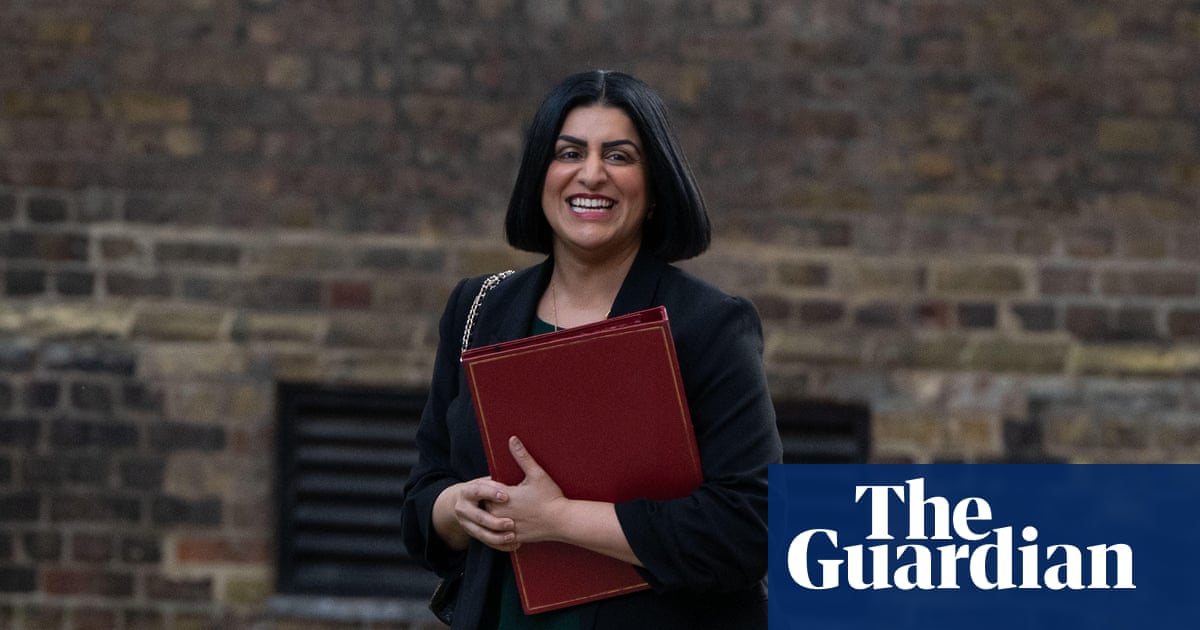
PA Media People granted asylum in the UK will have to wait 20 years before they can apply to settle permanently, under plans due to be announced by Home Secretary Shabana Mahmood on Monday. The major shake-up to asylum policy comes as the government seeks to reduce small boat crossings and asylum claims. Under the plans, people who are granted asylum will only be allowed to stay in the country temporarily, with their refugee status regularly reviewed and those whose home countries are then deemed safe told to return.
In Denmark, refugees who have been personally targeted by a foreign regime are more likely to be given protection, while those fleeing conflicts are usually only allowed to remain in the country on a temporary basis. Denmark itself decides what is a safe country. In 2022, the Danish government notified about 1,200 refugees from Damascus in Syria that their residency permits would not be renewed because, breaking with the UN and EU, it judged the region to be safe for refugees to return.
I would rather die than go back to Turkey, says Ali*. But life is also getting worse here. I can see that our Japanese neighbours are much cooler towards us these days. Some refuse even to greet us. More than a decade after he arrived in Japan with his wife and their two eldest children, Ali is fighting a battle on two fronts a decision on his application for refugee status, and rising hostility towards his family and other members of the country's Kurdish community.