Mental health
fromPsychology Today
1 day agoWhat I Wish Health Care Providers Knew About Postpartum
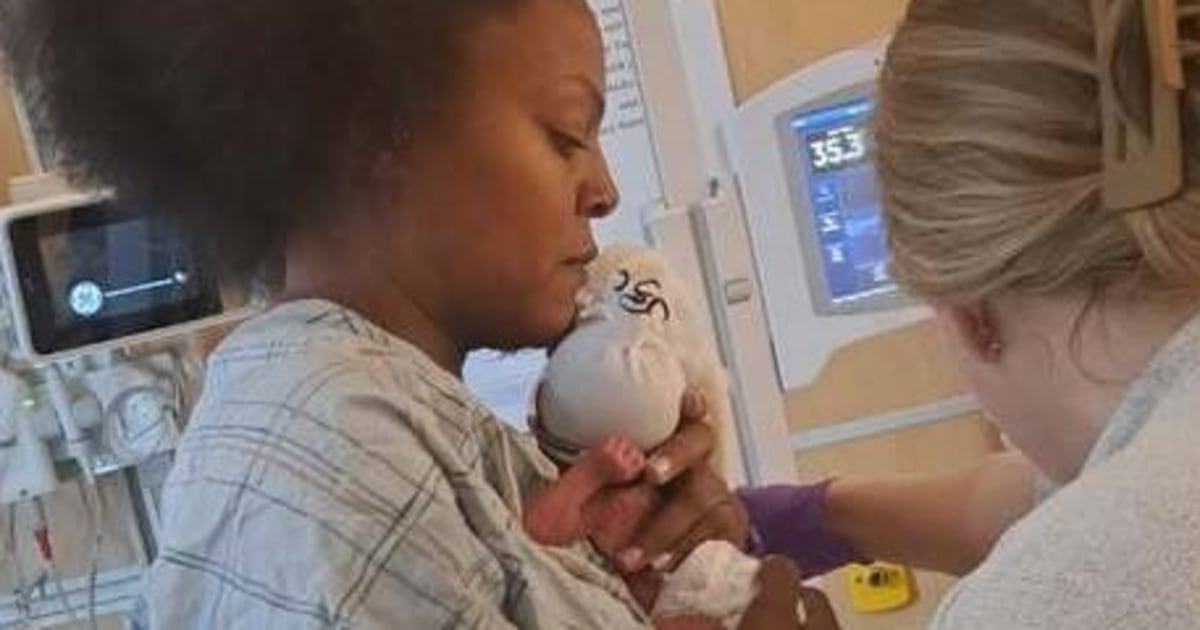
Intrusive thoughts and images are common among pregnant and postpartum parents, often graphic and disturbing, but they are treatable.
The heel prick test will now be accompanied by testing for spinal muscular atrophy (SMA), a rare muscle-wasting condition that can potentially lead to a child's death by the age of two.
The probability that frozen tissue will benefit the person who froze it is remote. The chance of developing acute lymphoblastic leukemia, the most common childhood cancer, currently stands at one in 20,000.
Sofii Lewis described her experience, stating, "I knew I wasn't safe. But I didn't think I was out of control." This highlights the confusion many face with postpartum psychosis.
The failure to prescribe the medication correctly was a failure in basic care and this was compounded by the failure to recognise the hypocalcaemia and the mis-prescribing across multiple shifts and clinical disciplines. There were thus multiple missed opportunities to recognise the prescribing error and overdose and its effects in a timely fashion that may have improved the outcome for Sidra and prevented her death.
While noting women 'were treated with kindness and compassion', a 'requires improvement' rating was given. Inspectors said hospital management 'did not always support staff well-being' and 'were not always visible within the service and were sometimes perceived as unsupportive'. Staff reported they were confident to report incidents, however, were not always assured action would be taken.
I attended A&E multiple times complaining of pain, tachycardia (increased heart rate), sickness - I couldn't keep anything down... but they didn't listen. Angel-Kay Mason fell pregnant with her daughter in June 2022 aged 19. Due to a family history of complex pregnancies, she says she was deemed to be high-risk but says she was not referred to a consultant and did not receive any extra scans.
Expectant mothers lost an average of nearly five per cent of their grey matter, the tissue responsible for processing emotions, information, and empathy. This loss isn't a sign of decline as Lead researcher Professor Susana Carmona of the Gregorio Marañón Health Research Institute likened it to pruning a tree. 'Some branches are cut to make it grow more efficiently,' she explained.
When I first found out I was pregnant, I did what most moms do-I started researching. I wanted to make the best possible choices for my baby and myself, and giving birth in a hospital just didn't feel like the safest option. So many women do it, but the more I learned, the more I realized that the reality of hospital birth in the U.S. is even less reassuring than I had thought. I wanted to birth at home.
I just want to talk to whoever has romanticised the idea of being a new mom. When you're in a flurry of diaper changes, following a two-hourly pumping schedule and meticulously cleaning and mixing up bottles while running on less sleep than you've ever had, mommyhood ends up being more of a frenzied checklist of tasks to get done and not enough time snuggling and making babytalk with a babbling infant.
Bronx residents are more likely to experience systemic challenges that impact pregnancy, from living below the poverty line to limited access to healthy food and prenatal education. Yet the most preventable cause of maternal deaths is discrimination during hospital care. The maternal mortality rate is twice as high if the mother is Black, when compared to white moms. Over 71% of mothers who died during childbirth in the Bronx, were Black and Hispanic, according to the 2021 Health Department report.
When she was 16, Bethan James told her YouTube channel that by 2026 she hoped to have a partner, an enjoyable job and maybe even children. Bethan would have been 27 now - but her dreams were taken when she died aged 21 from a combination of sepsis, pneumonia and Crohn's disease. Bethan's sepsis wasn't spotted early enough and life-saving care was delayed.
A trial in the US found that applying stem cells from the mother's placenta to her baby's spine while it was being repaired was safe and improved the child's mobility and quality of life. Dr Diana Farmer, who led the study, said it was conceivable that the experimental therapy could become the usual way that spina bifida is treated before babies are born.
From reproductive rights to climate change to Big Tech, The Independent is on the ground when the story is developing. Whether it's investigating the financials of Elon Musk's pro-Trump PAC or producing our latest documentary, 'The A Word', which shines a light on the American women fighting for reproductive rights, we know how important it is to parse out the facts from the messaging. At such a critical moment in US history, we need reporters on the ground. Your donation allows us to keep sending journalists to speak to both sides of the story.