#plant-growth
#plant-growth
[ follow ]
#gardening #sustainability #agriculture #plant-care #gardening-tips #soil-health #vegetable-gardening


fromwww.theguardian.com
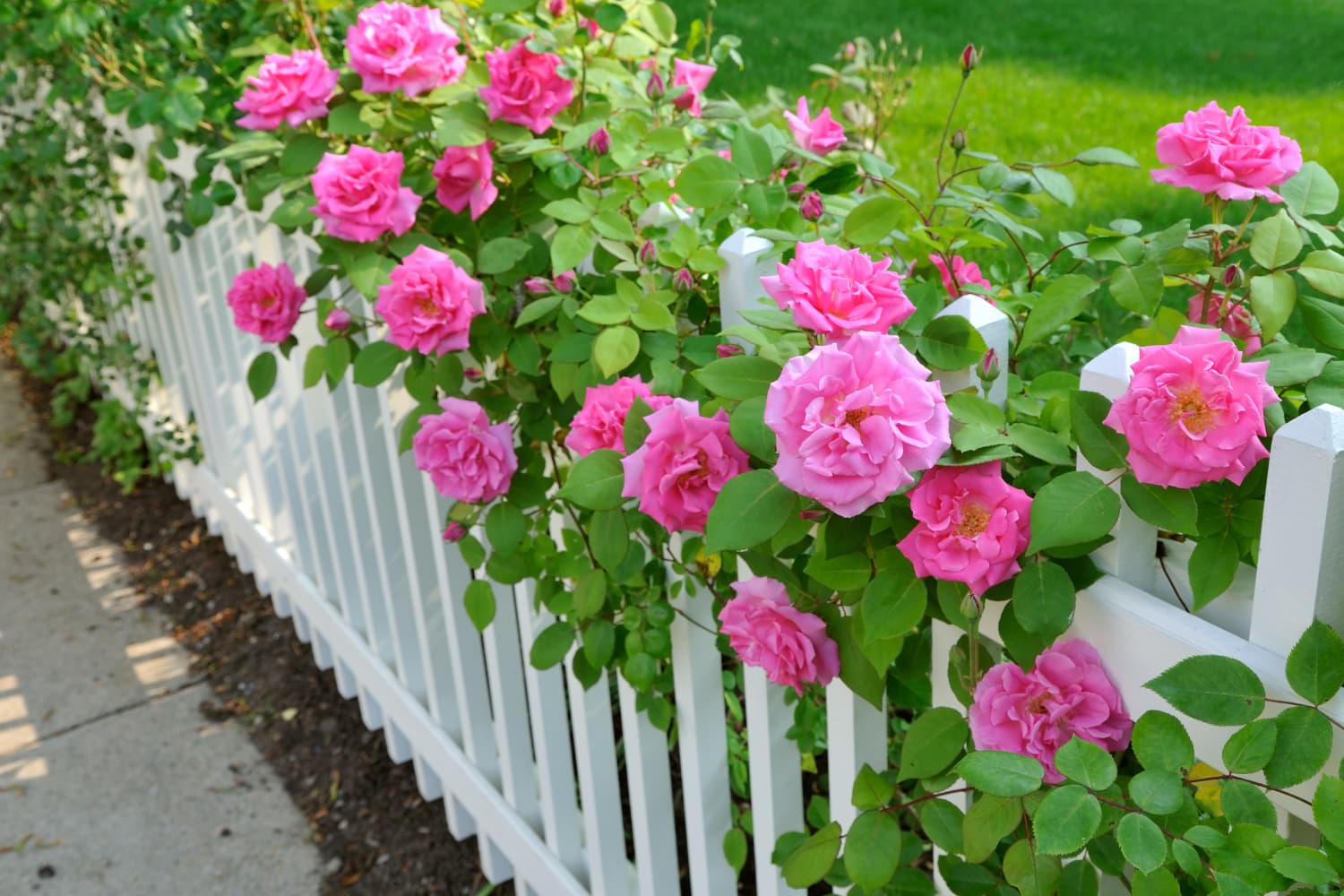
1 week agoA messy garden is a glorious garden. We need to stop tidying, titivating and paving them over | Emma Beddington
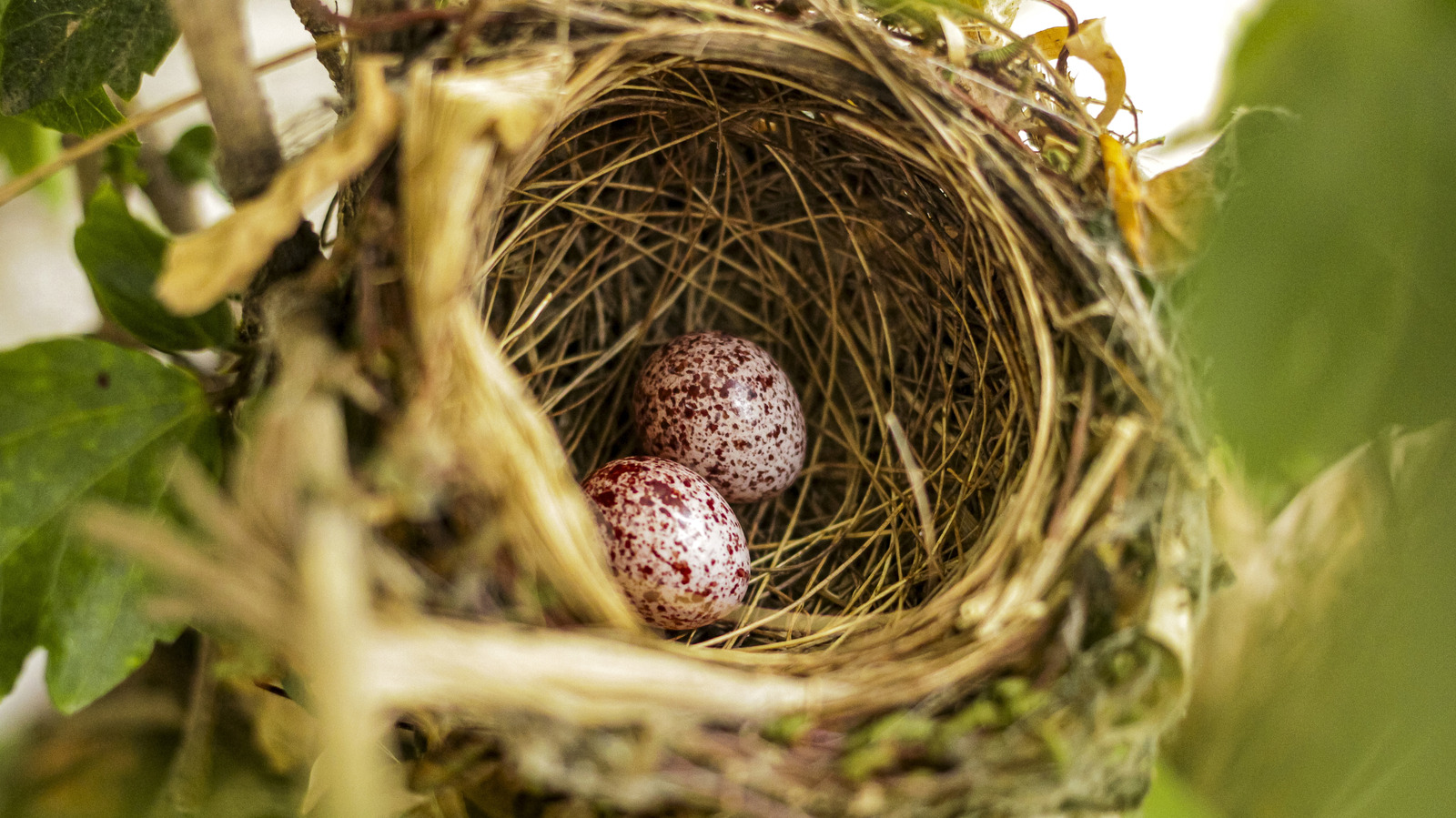
The industrious buzz of bees tackling the dregs of cherry blossom was lawnmower-loud, accompanied by back off peeps from blackbirds nesting in the ivy.
London politics
fromwww.theguardian.com
2 weeks agoHouseplant hacks: do eggshells deter fungus gnats from laying eggs?
Crushed clean, dry eggshells, when scattered over the soil, are intended to stop adult gnats from laying eggs and potentially add natural fertilizer. However, they merely sit on the surface, collecting dust, while the gnats remain attracted to the damp compost.
Renovation
fromTasting Table
2 days agoThe Best Method For Picking Ripe Peppers Off The Plant - Yes, There Is A Right Way - Tasting Table
Using a sharp, sterile tool such as clippers or pruners is essential when harvesting peppers. Pulling them off by hand can damage the plant, leading to fewer fruits.
Agriculture
fromwww.theguardian.com
1 month agoSmall changes in how we garden can make a big difference to birds | Letter
Around a third of UK gardeners use pesticides, and our studies found that house sparrow numbers, for example, were nearly 40% lower in gardens where the pesticide metaldehyde was used. By reducing pesticide use, you can actively encourage birds back into your outdoor spaces, as they rely on invertebrates such as slugs and snails as natural prey.
Pets
fromwww.theguardian.com
4 days agoThe art of grafting: joining two plants together to grow as one is horticultural magic
Grafting is the method through which two different plants from the same species or genus are joined together to grow as one. The resulting plant benefits from the qualities of the two different original plants.
Agriculture
Agriculture
fromTasting Table
1 month agoCan You Grow A Garden From Grocery Store Produce Seeds? - Tasting Table
Growing vegetables from store-bought seeds is possible but results vary based on produce type, growing method, and post-harvest treatment, with hybrid plants producing different crops than their parent plants.
Agriculture
fromArchitectural Digest
1 year ago13 Raised Garden Bed Ideas to Elevate Your Backyard This Spring
Raised beds allow gardeners to engineer ideal soil conditions, improve ergonomics, protect crops from pests, and enable faster soil warming and easier watering compared to ground-level gardening.
fromwww.theguardian.com
1 month agoWhen it comes to preparing seeds for your garden, you'll reap what you sow
To an unimaginable eye, a seed looks inert. Yet they are packed with genetic information and biological processes poised to unfold. All it takes is the right configuration of signals and stimuli from the environment to let them know it's time to dare to grow.
Agriculture
fromDaily Coffee News by Roast Magazine
2 months agoIn Wake of India's "Green Revolution," Scientists Find Organic Soils Healthier
As concepts such as "regenerative" and "biodynamic" continue to enter the mainstream coffee lexicon, scientists continue to literally dig into the soil to give them meaning. A recent peer-reviewed study from India's Western Ghats argues that one of the clearest signals of healthy, sustainable coffee farms lies in the ground itself, with organic coffee soils performing better than soils from conventional farms treated with synthetic inputs.
Agriculture
fromTasting Table
2 months agoThe Slow-Growing Crop That Pays Off Big When You Start It From Seed - Tasting Table
People grow asparagus from crowns because it shortens the long wait times for harvesting. From seed, you'll need to wait three years before harvesting asparagus. Some people consider that a waste of time. The tradeoff is that you can keep harvesting every spring for up to 15 years or more. If you plant crowns, you get a one-year jump on things. However, those crowns may have soil-borne diseases you don't know about, so there is a risk involved. Seeds remove that problem.
Agriculture
fromModern Farmer
1 month agoYour February Soil Checklist: What to Do Now for Healthy Soil
The term "soil fatigue" or exhaustion refers to the condition that soil profiles take on when they've been heavily monocropped and untended. This soil is devoid of the microbial content that offers plants bioavailable food. It lacks the fungal and bacterial organisms that interact with plant nutrients.
Agriculture
[ Load more ]