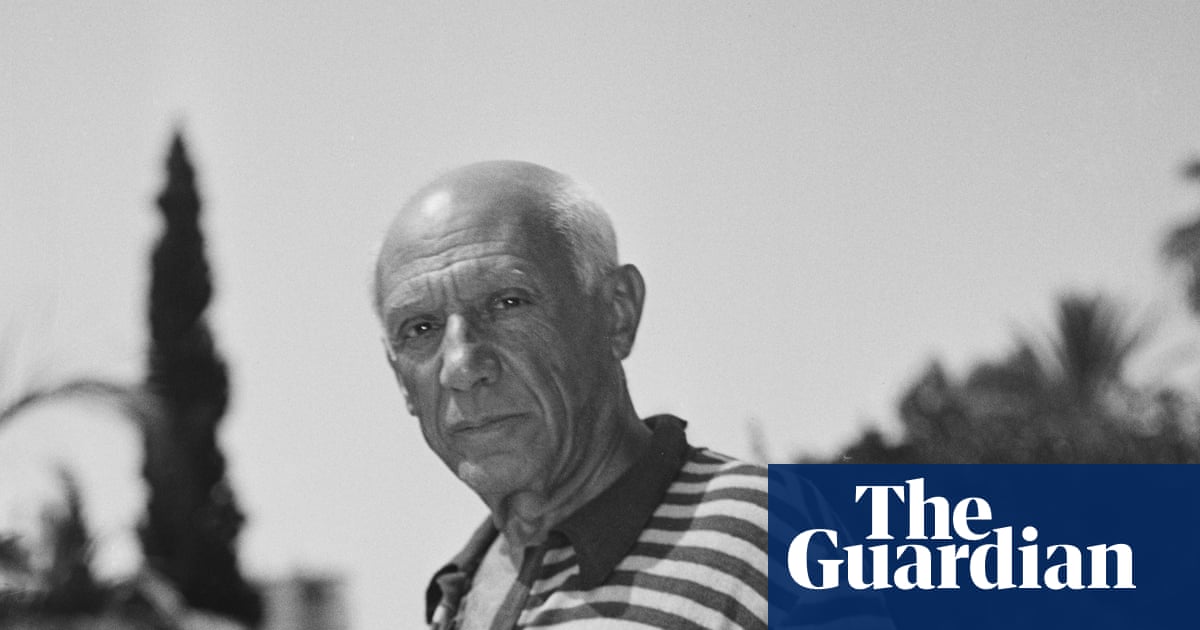
At first glance, this curatorial oversight is hardly surprising. After all, Picasso was an atheist and Communist supporter whose ever-shifting practice seemed to chafe against centuries of religious art. Indeed, in a well-known episode from the 1940s, Picasso personally confronted Henri Matisse for accepting the Vence chapel commission.
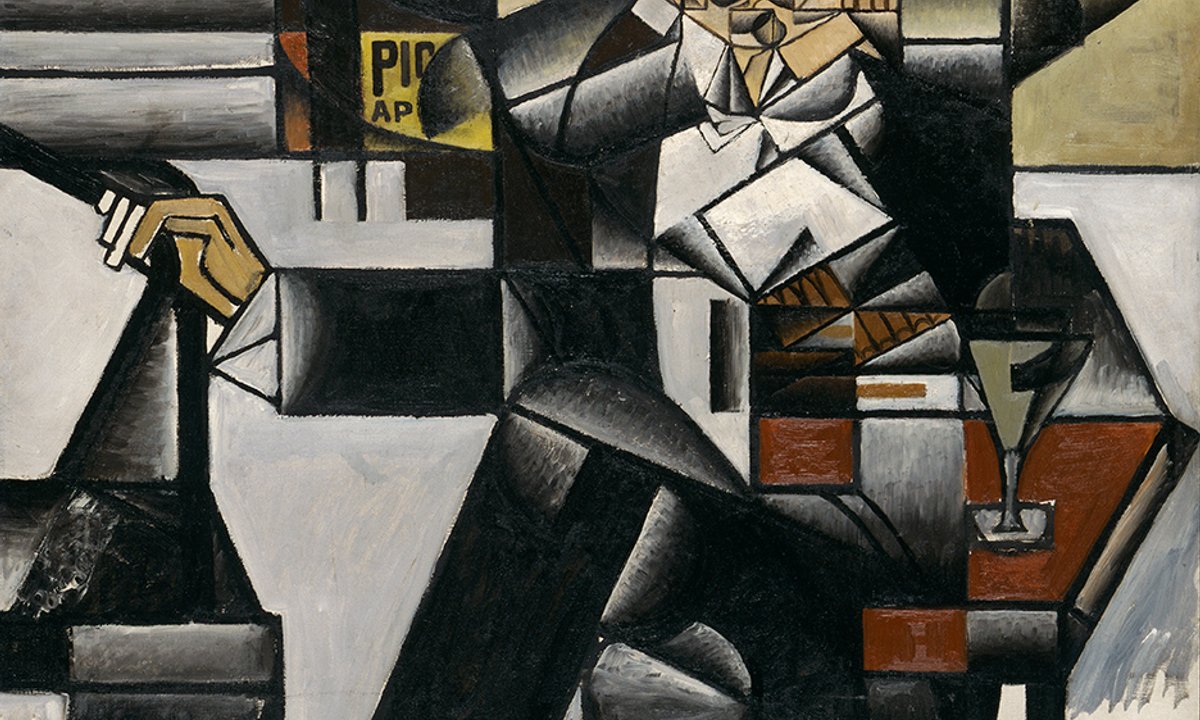
Cubism and Reality is his return to the works by Georges Braque, Pablo Picasso and Juan Gris that define early Cubism. The book has many strands but turns around a highly informed reconstruction of the processes by which their interactions with reality resulted in physical works of art, what Green terms "material things to be looked at". The revolutionary works discussed remain visually difficult; as he acknowledges, they are "most often only slowly penetrated by looking, imagining, reflecting and looking again".
Happy New Year! Our first book reviews of 2026 are here, beginning with critic Bridget Quinn. There's a special place in hell for Pablo Picasso, but you probably already knew that. Because the conversation tends to stop there, what you may not have known are the names of some of the women whose artistic legacies have long been overshadowed by his: Fernande Olivier, Olga Khokhlova, Marie-Thérèse Walter, Dora Maar, Françoise Gilot, and Jacqueline Roque.
As an editor, you learn to pay attention to the nuances of language. How we phrase something can speak volumes about our perspectives. Some words are fine in one context, but in another they might be detrimental. "Victim" is an example - who wants "victimhood" to encompass their whole person? And possessives are a minefield of power relationships; for instance, a person experiencing mistreatment at the hands of a partner should be defined by neither the treatment nor the tormenter
A good recommendation I recently received: My friend put the 1988 film Crossing Delancey on an end-of-year recommendation list, and it turned out to be the perfect nightcap for a dreary winter's day: a wry romantic comedy of errors that doubles as an ode to Manhattan's Lower East Side. Its love interest is a pickle salesman-utterly charming!
Just one painting but it is one of the world's very greatest, and most dangerous. The shock of the old hits you in front of a naked Cupid who has clearly been portrayed from life, his raw, laughing features apparently coming straight from the mean streets into the gallery. This young love god is an anarchist, and Caravaggio paints like the antichrist, mocking civilisation, symbolised by the musical instruments at Cupid's feet.
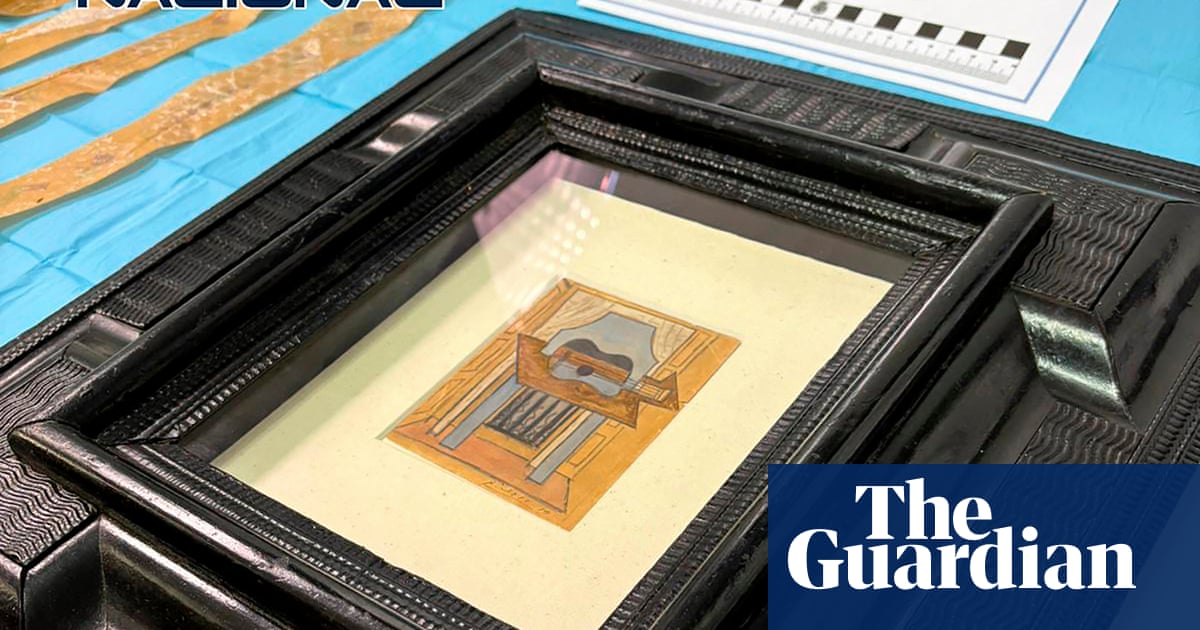
German police say they've broken up an international art forgery ring that tried to sell works purportedly by Pablo Picasso, Rembrandt, Frida Kahlo and others for tens of millions of dollars to unsuspecting collectors. The scheme was allegedly led by a 77-year-old German man from Bavaria with the help of ten accomplices, according to a press release from the Bavarian State Criminal Police Office.
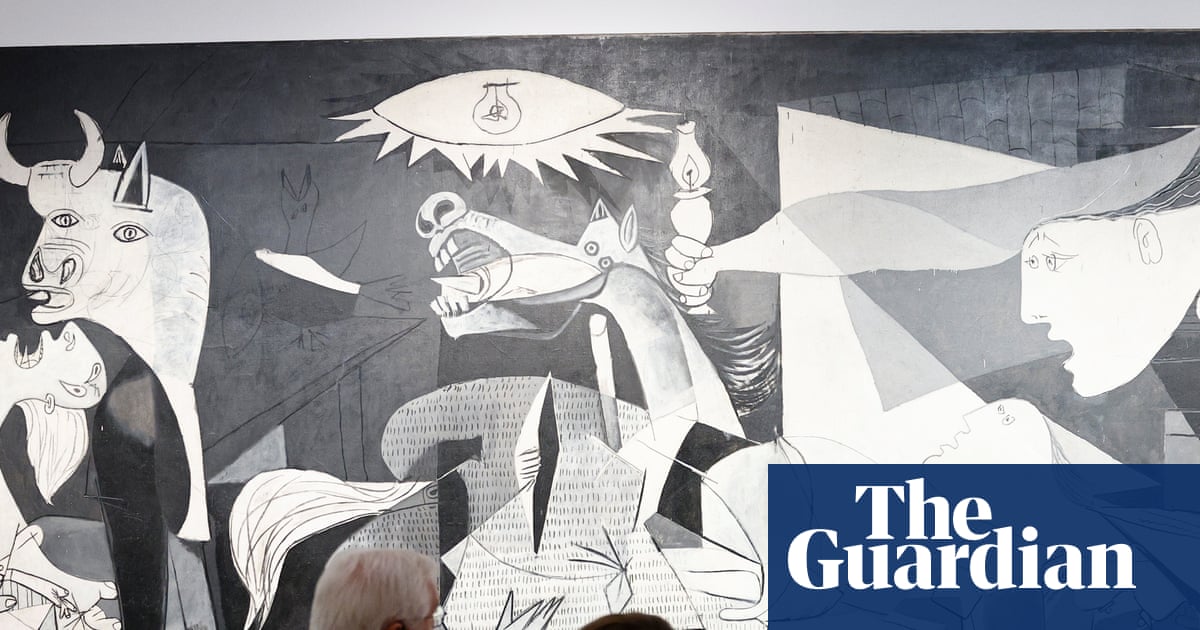
At the core of Tate Modern's exhibition Theatre Picasso, opening this week, is a painting that Picasso esteemed more highly even than Guernica (1937). Picasso told Roland Penrose that he much preferred The Three Dancers (1925) to his anti-fascist opus, because it is "a real painting-a painting in itself without any outside considerations". Tate is marking the painting's 100th anniversary with a show that includes its entire Picasso collection as well as major loans, but with a fresh perspective courtesy of its staging by the artist Wu Tsang and the writer and curator Enrique Fuenteblanca. By inviting contributions from contemporary dancers and choreographers, the duo will open up fresh interpretations of a masterpiece that has already proved inexhaustibly fascinating.