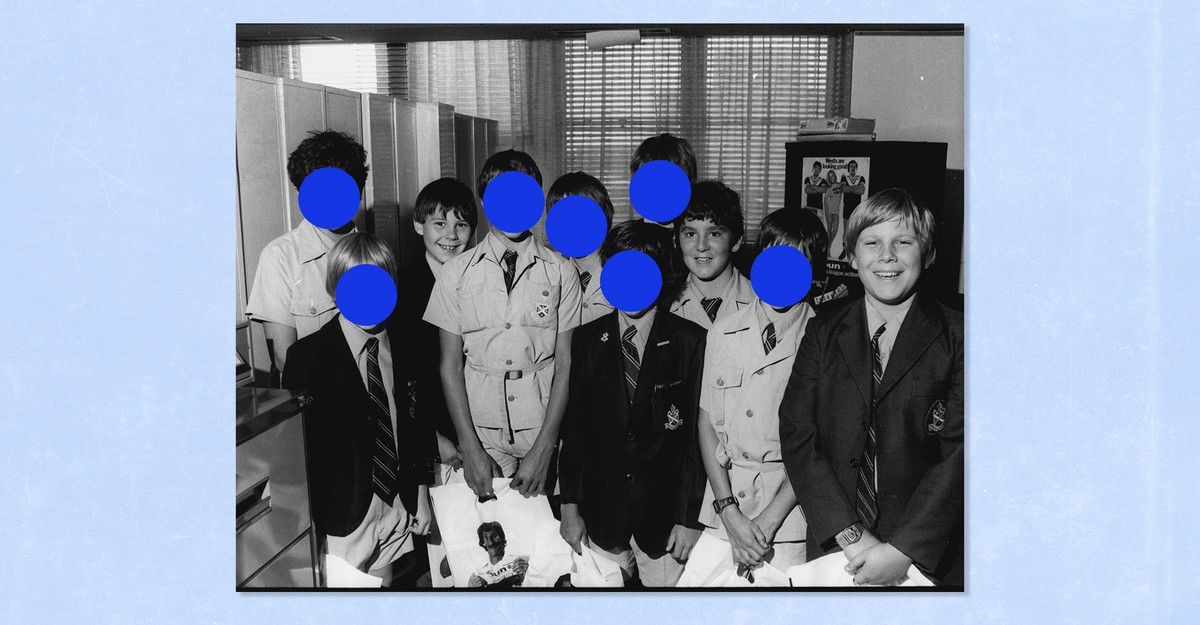
Without effective tools and preparation, many parents understandably default to instinct and use common ineffective tactics, such as warning, advising, informing, or trying to control their teens. The adolescent brain has been compared to a car with a powerful gas pedal and weak brakes when in the presence of other teens or when expecting to be seen by them (Bulow, 2022; Steinberg, 2008). Further, they are drawn to peers, and then instinctively rev each other up into risky experimentation and sensation-seeking.
George lived there in a small wooden home where his father spent long days at sea, and his mother cleaned rooms for tourists who enjoyed the island without noticing the struggles around them. His parents cared deeply, but exhaustion limited their ability to listen and connect at the end of each day. George sensed this, so he learned early to keep his feelings inside.
When Everett Rogers introduced the S-shaped diffusion curve in the first edition of his book, he was directly following the data. Researchers like Elihu Katz had already begun studying how change spreads and noticed a consistent pattern in the adoption of hybrid corn and the antibiotic tetracycline. Yet it was Rogers who shaped our understanding of how ideas spread. Publishing more than 30 books and 500 articles, he studied everything from technology adoption to family planning in remote societies.