#national-recognition
#national-recognition
[ follow ]



fromwww.theguardian.com
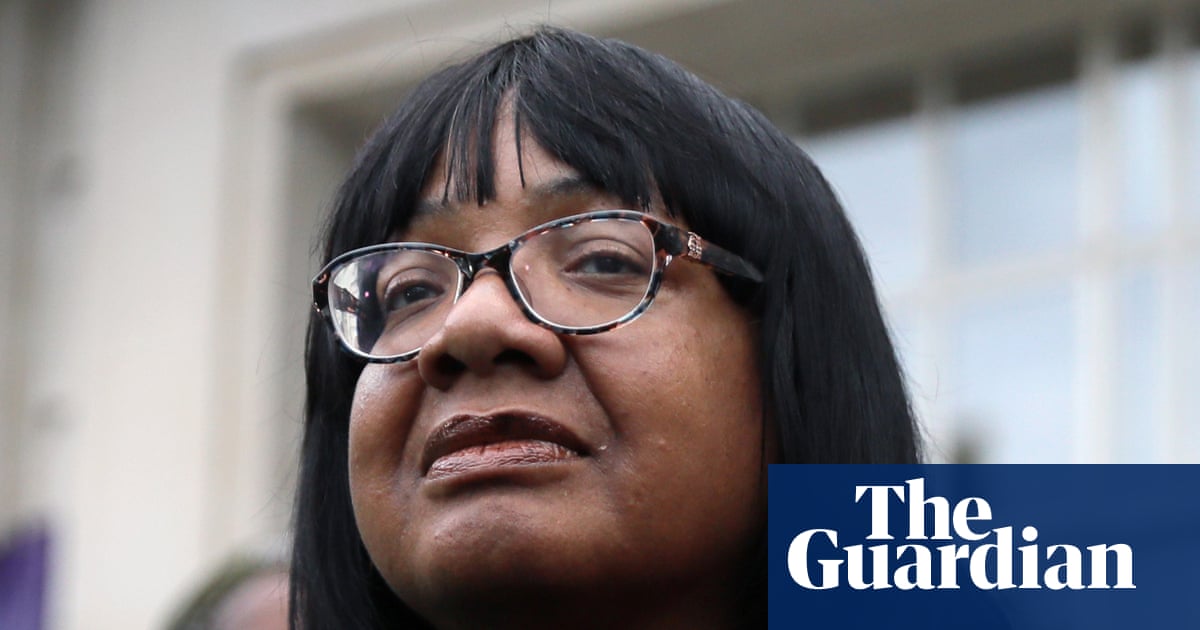
1 month agoBlack History Month was never given' to Black people, thus, it can never be taken from us
If you know anything about the basic origins of Black History Month then you know that we weren't given' anything. The question of who owns and authorizes Black History Month holds particular relevance now, in its centennial year, and at a time when efforts to celebrate, preserve, and acknowledge Black people's past in this country are under attack.
History
Education
fromTruthout
1 month agoWe Must Defend Black History - It Fuels Freedom Dreams of Students Under Attack
Teachers must transform curricula to eliminate biases and systems of domination while protecting vulnerable students, particularly Black students and students of color, from contemporary educational injustices.
fromwww.mercurynews.com
1 month agoToday in History: March 2, Black teen refuses to give up her bus seat
On March 2, 1955, nine months before Rosa Parks' more famous act of defiance, Claudette Colvin, a Black high school student in Montgomery, Alabama, was arrested after refusing to give up her seat on a public bus to a white passenger.
History

US politics
fromwww.npr.org
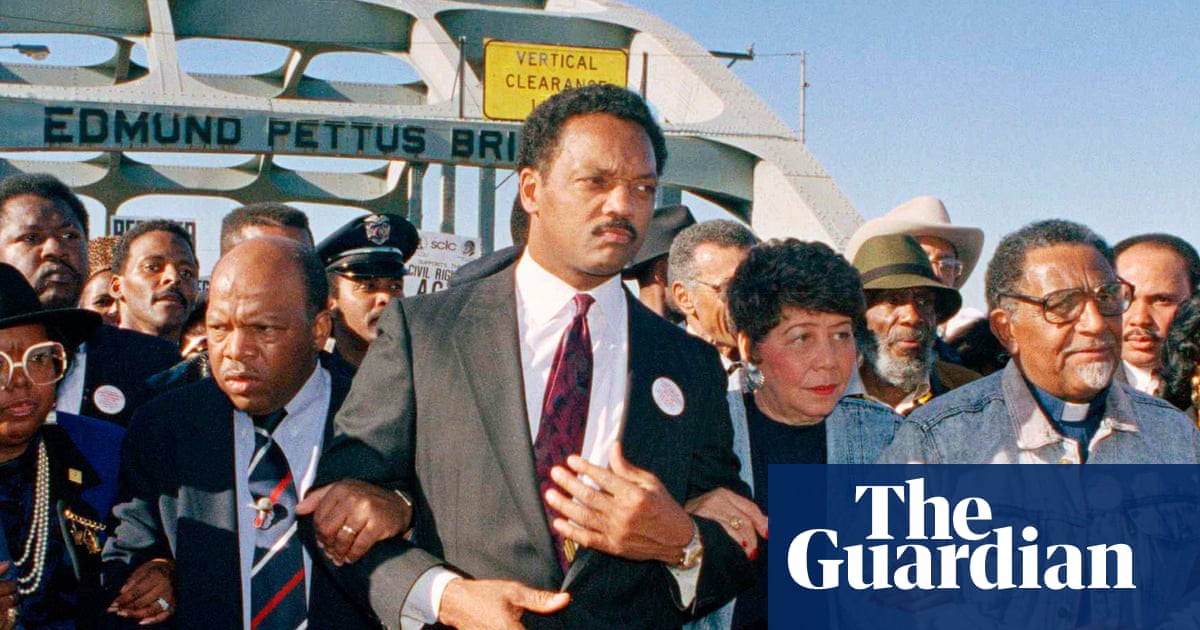
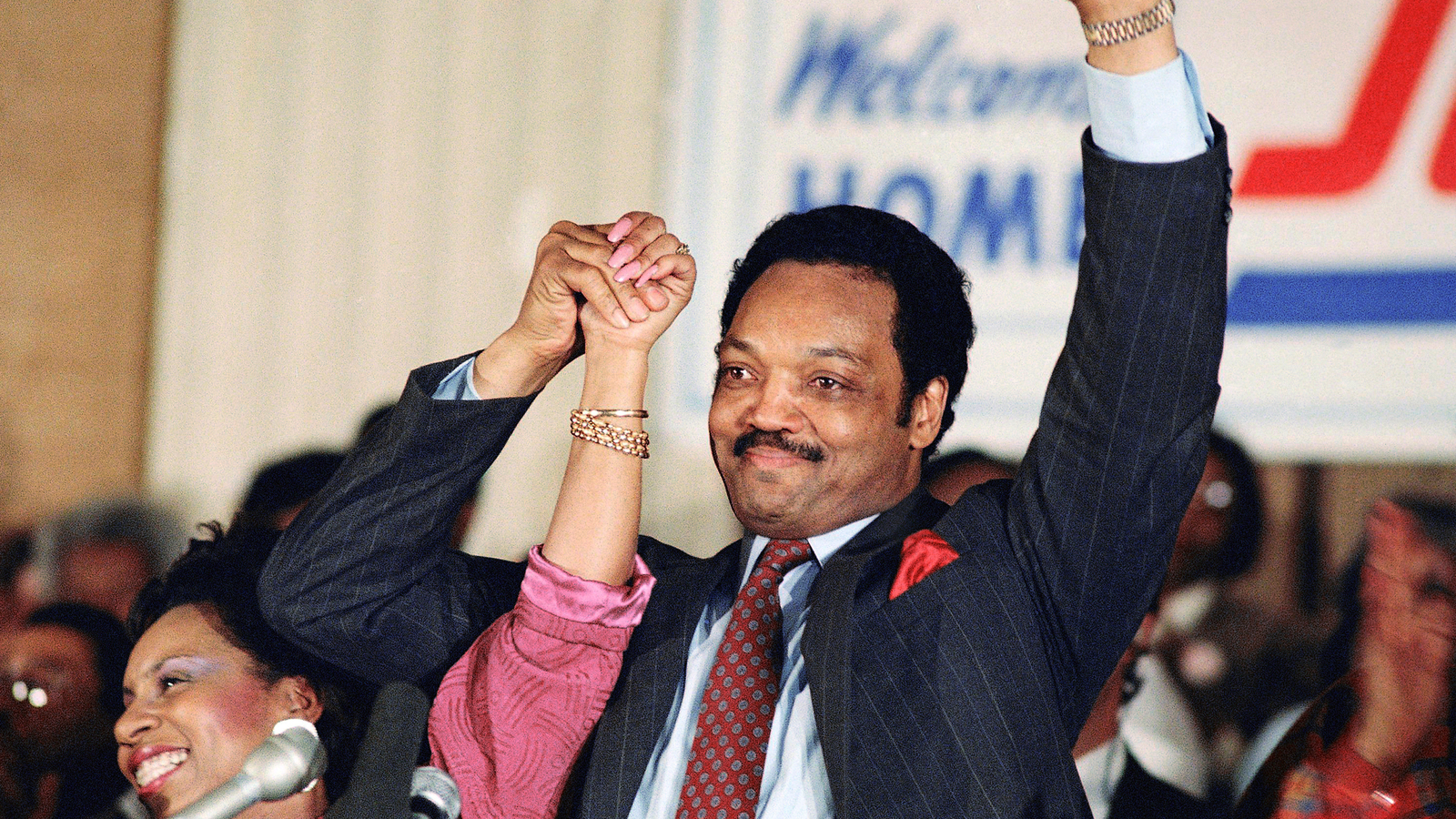
1 month agoCivil rights leaders say the racial progress Jesse Jackson fought for is under threat
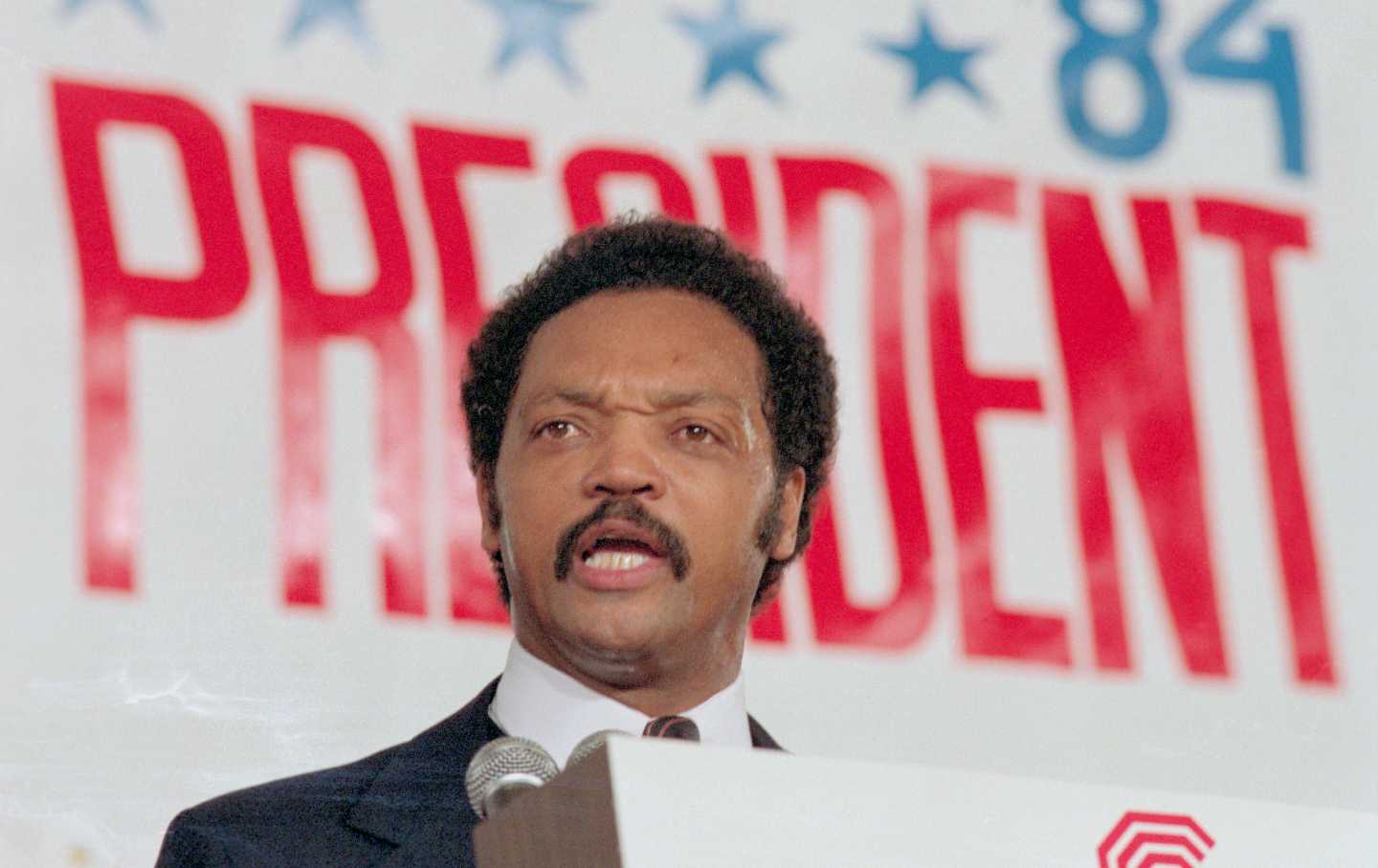
Rev. Jesse Jackson, a civil rights icon who transformed Black political power through groundbreaking 1980s presidential campaigns, died at 84, leaving a legacy of expanding political possibilities for Black Americans and people of color.



fromThe Atlantic
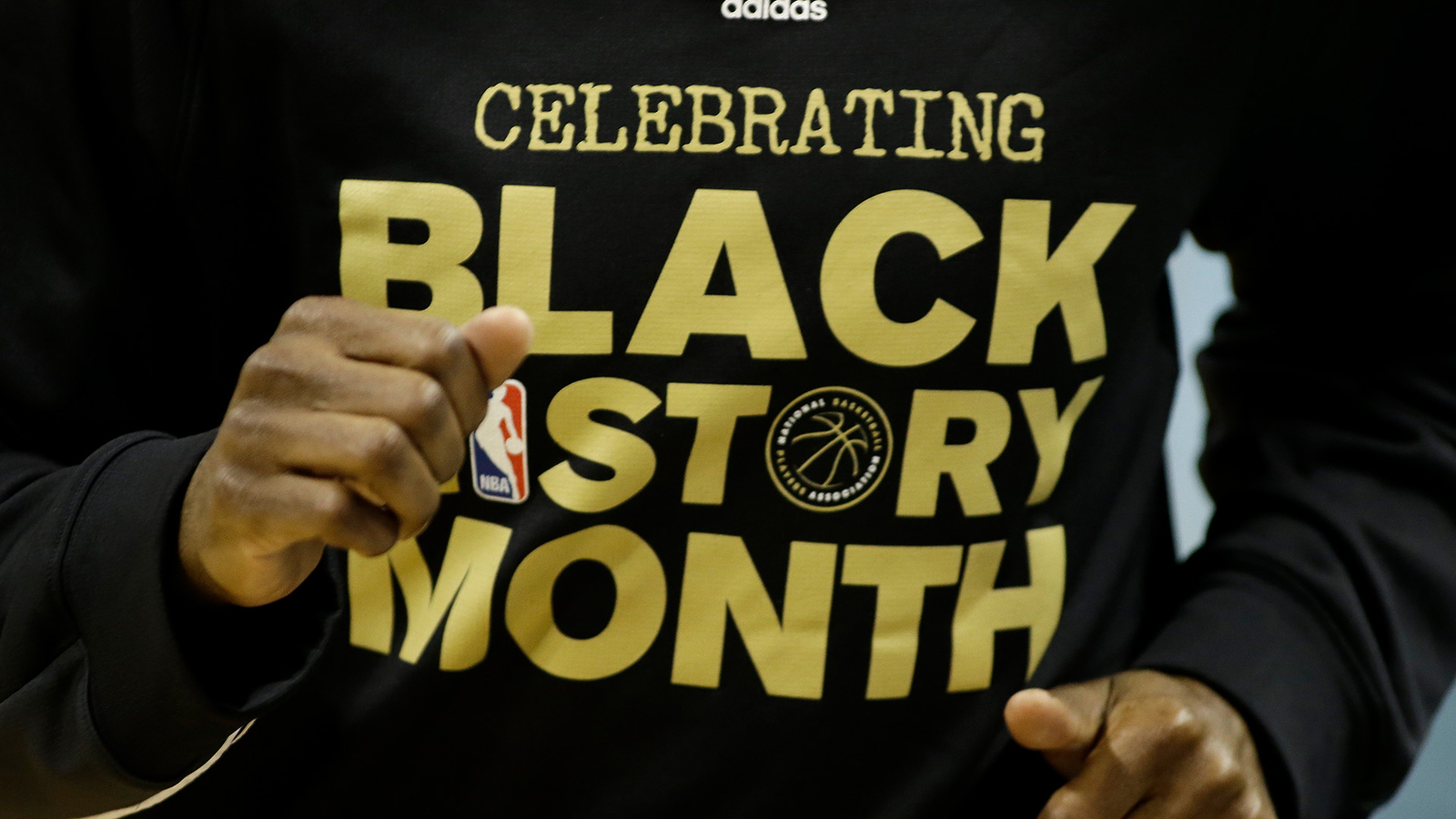
1 month agoThe Trump Administration Can't Kill Black History Month
She remembers walking with her big brothers down a sidewalk fractured by the roots of old oak trees while children played hopscotch on the playground. She remembers going outside and clapping erasers together so that plumes of chalk dust rose above her head. And she remembers being told that she was attending a school that many white parents had taken their children out of just a few years earlier because they didn't want them sitting in class with Negroes.
History

fromwww.npr.org
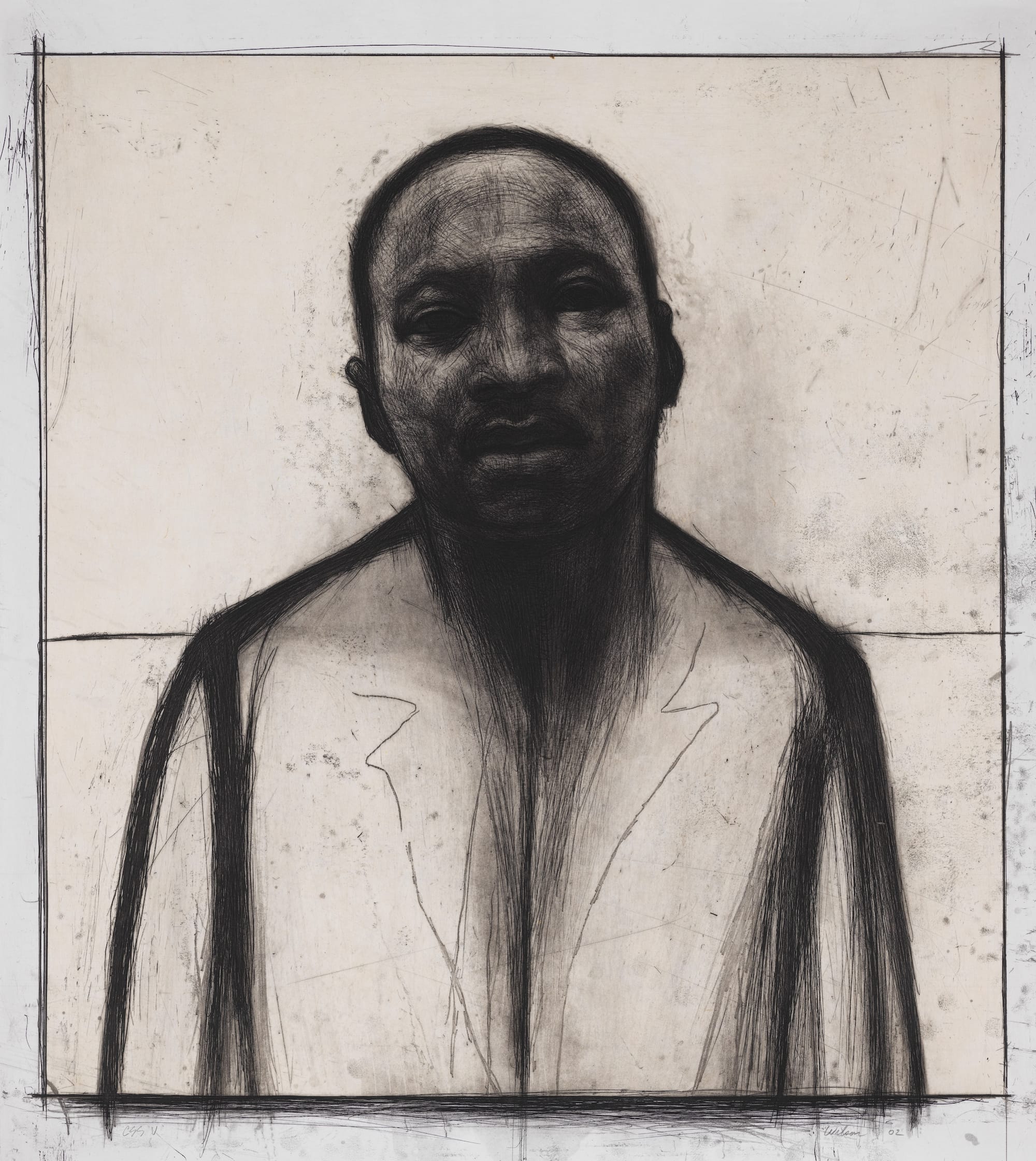
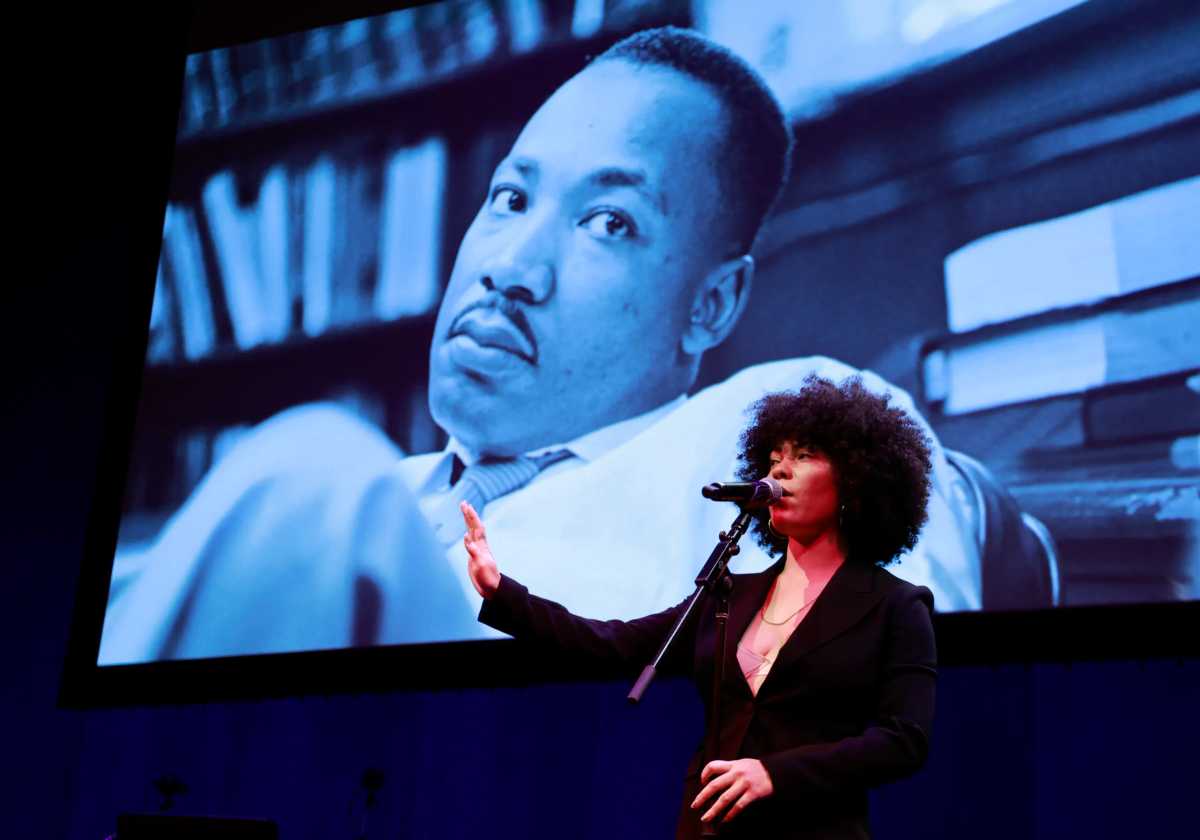
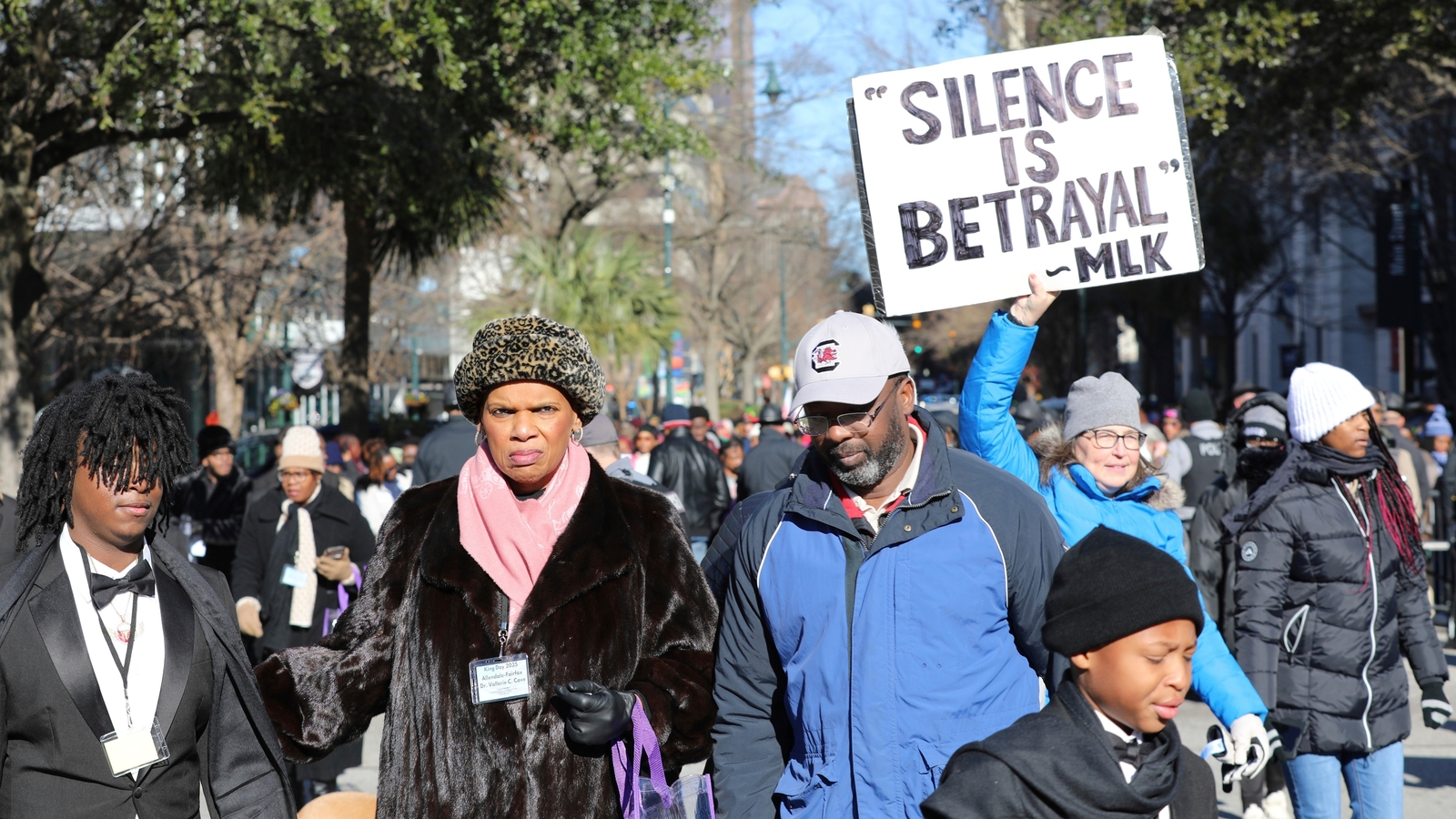
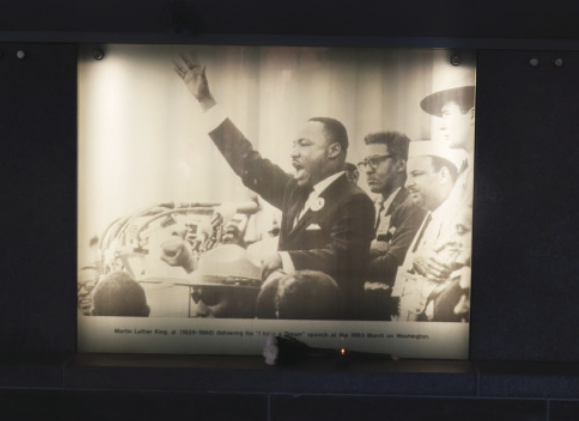
2 months agoMartin Luther King Jr. had a dream ... about health care
They offered a rare window into the lives, struggles and aspirations of African Americans, and a way for me to feel connected to a community far beyond my immediate environment. Through Ebony, I was introduced to towering figures such as Dr. Martin Luther King Jr. and Supreme Court Justice Thurgood Marshall. Their courage, moral clarity and commitment to justice shaped how I thought leadership and service.
Public health
fromThe Conversation
2 months agoBuilding 'beloved community': Remembering the friendship between Martin Luther King Jr. and Buddhist monk Thich Nhat Hanh
My new book, " On Mindful Democracy: A Declaration of Interdependence to Mend a Fractured World," is inspired by King and Hanh's friendship. These two men bonded over the shared insight that how we show up for each other matters, as does how we advocate for social change. In his sermon " Loving Your Enemies" King announced, "Hate cannot drive out hate, only love can do that." Hanh taught: There is no way to peace, peace is the way.
Philosophy
fromThe American Conservative
2 months agoRelive The Civil Rights Era. Send in The Troops
In any liberal morality play, Democrats always get to be the shivering, oppressed black people, while Republicans have to play the part of Bull Connor, Birmingham, AL's racist commissioner of public safety. Except the facts are exactly the opposite. I'm sure you're bored of hearing this, but Connor was a Democrat, as were all the politicians promising "massive resistance" to racial integration. Republicans were the ones forcing Democrats to abide by federal law, along with a few John Fetterman- style Democrats.
Right-wing politics








fromAxios
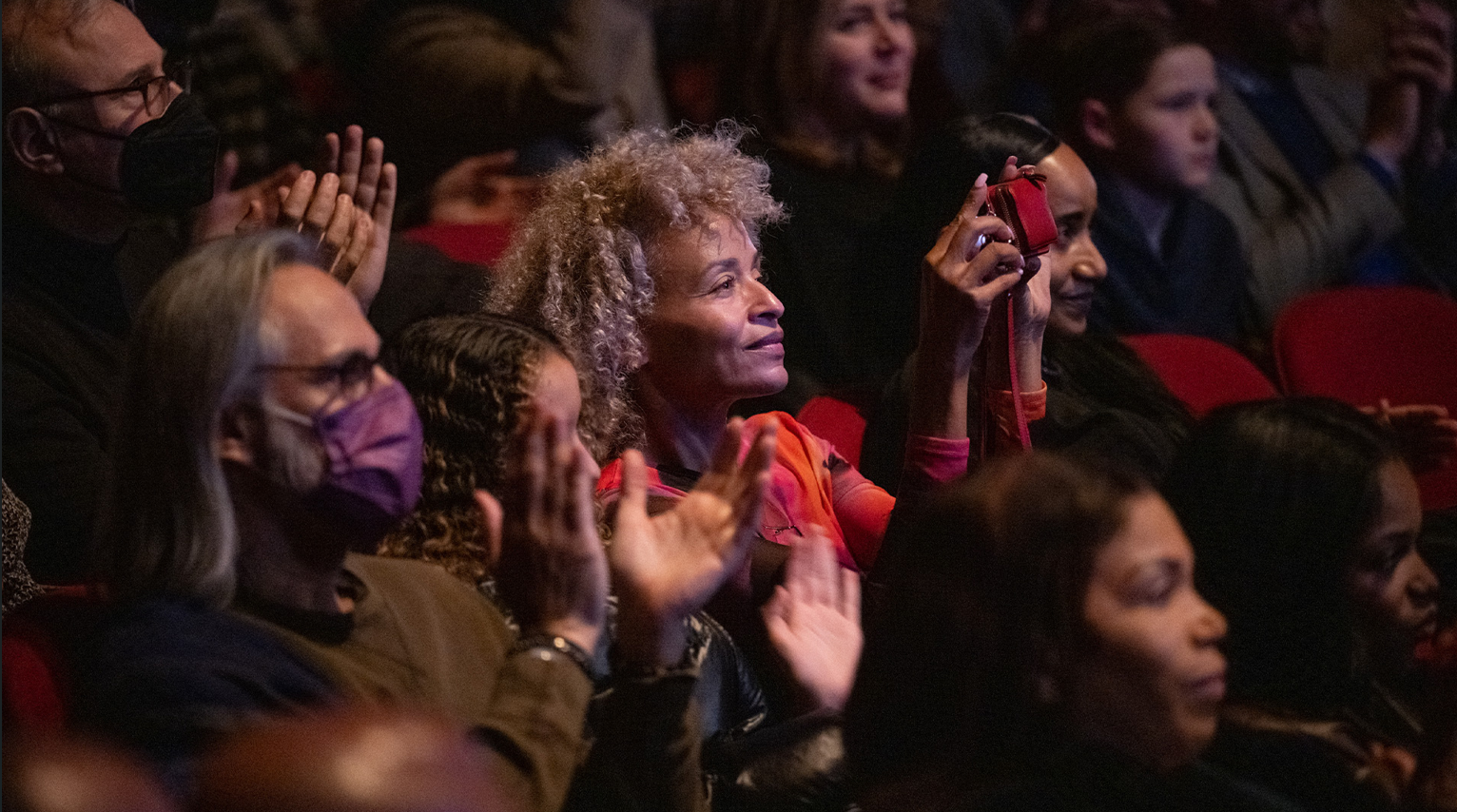
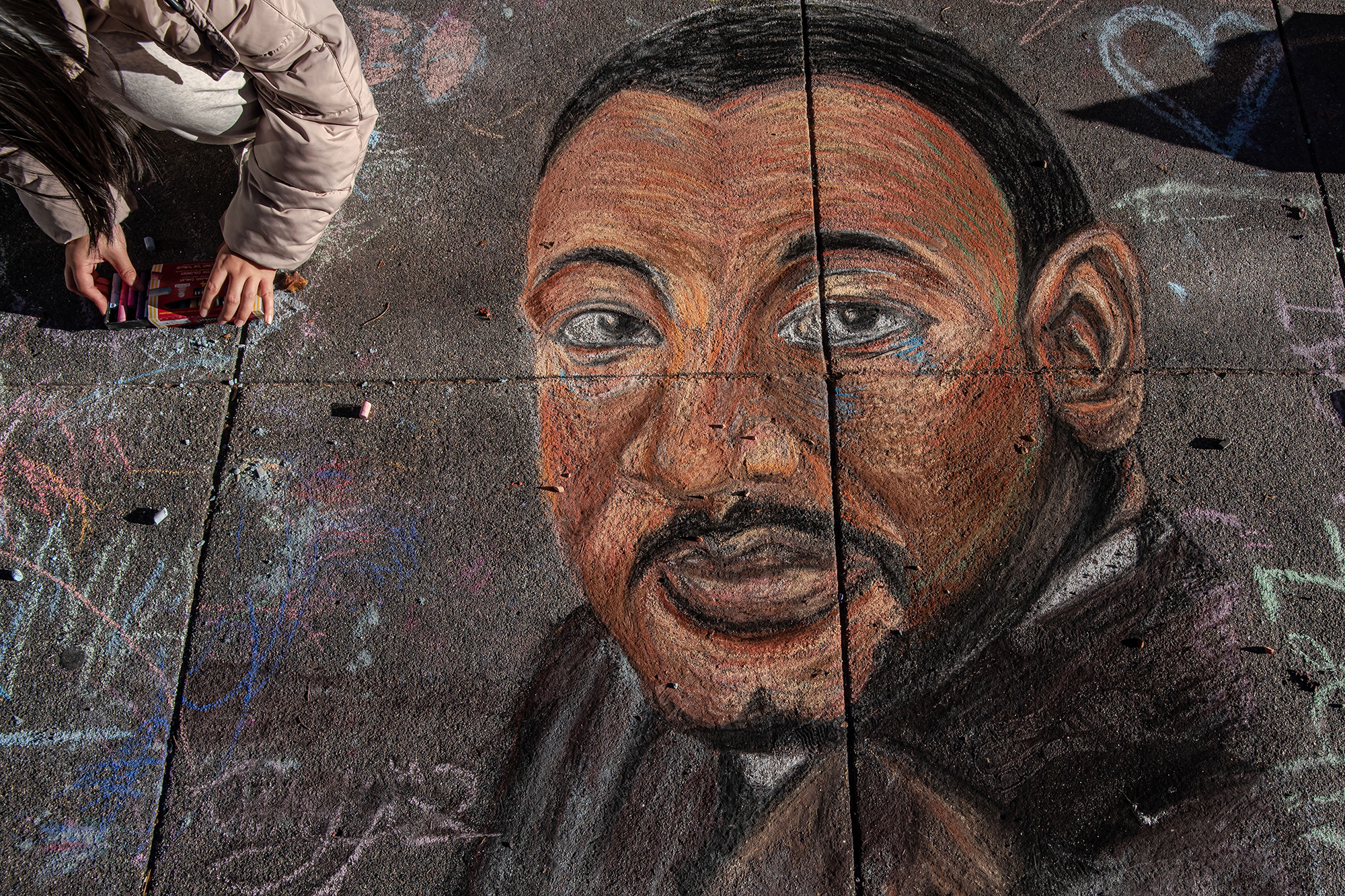
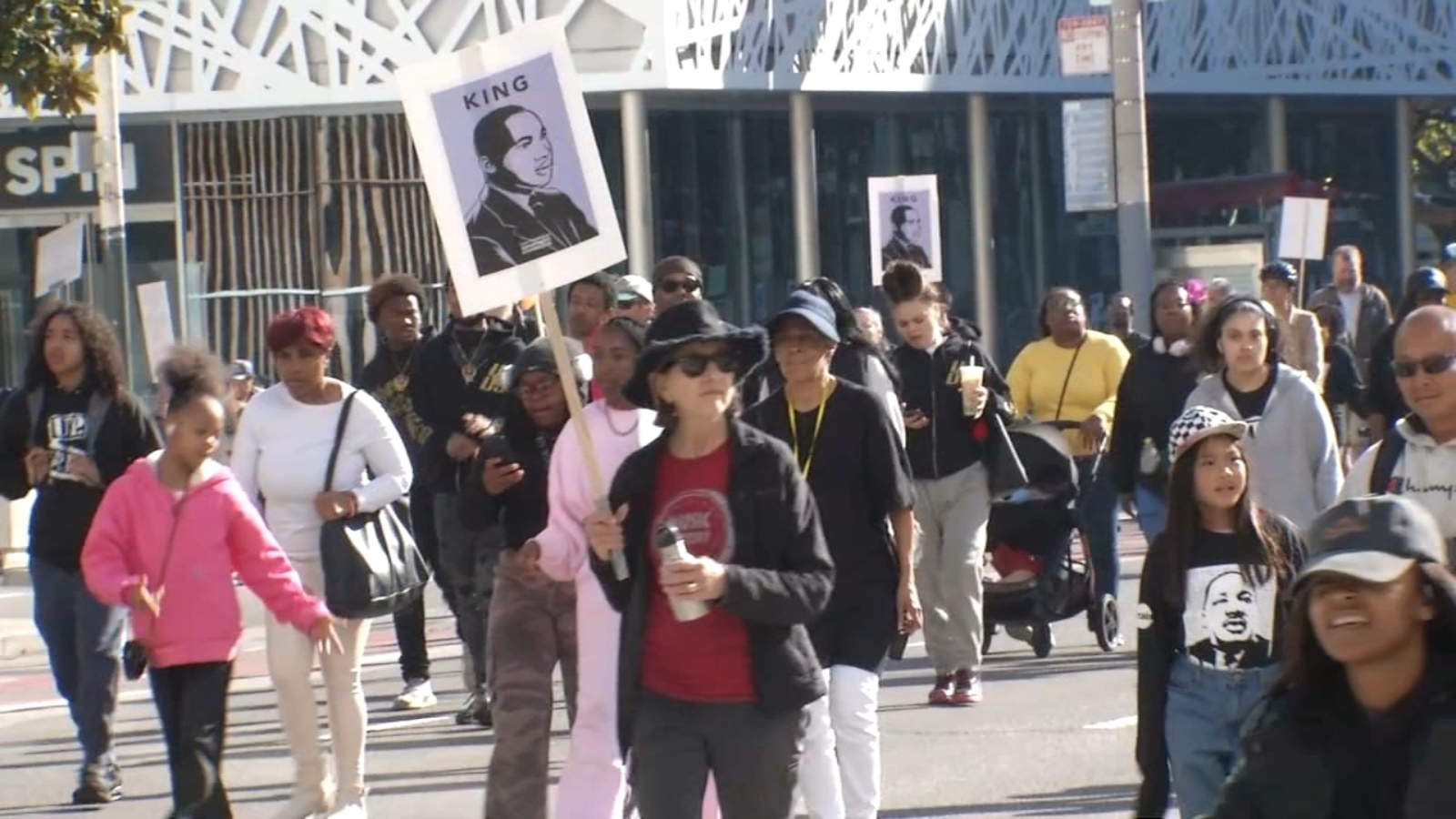
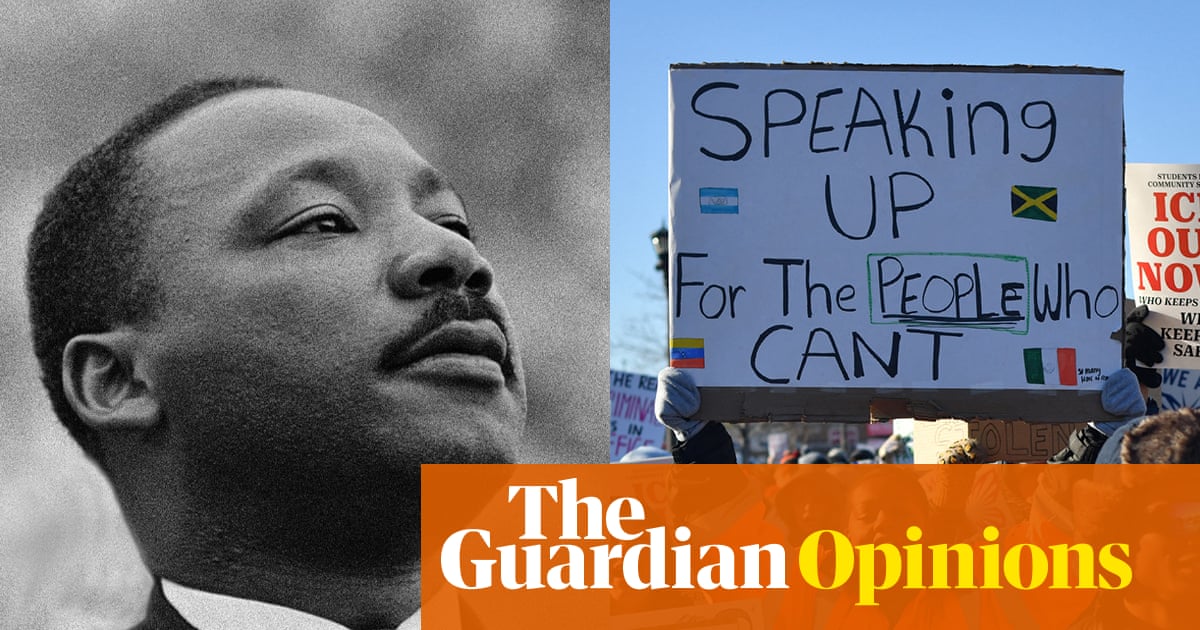
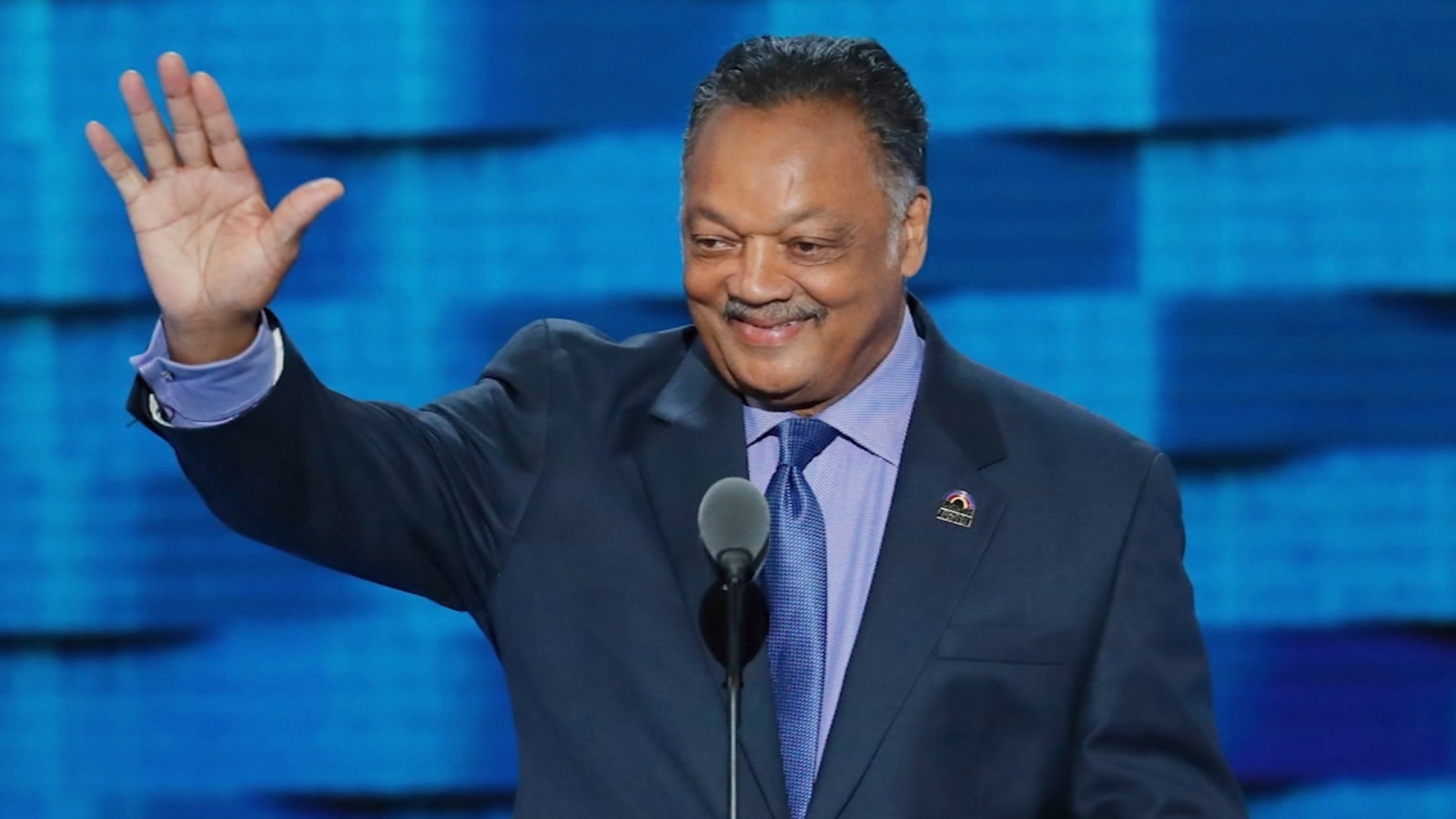
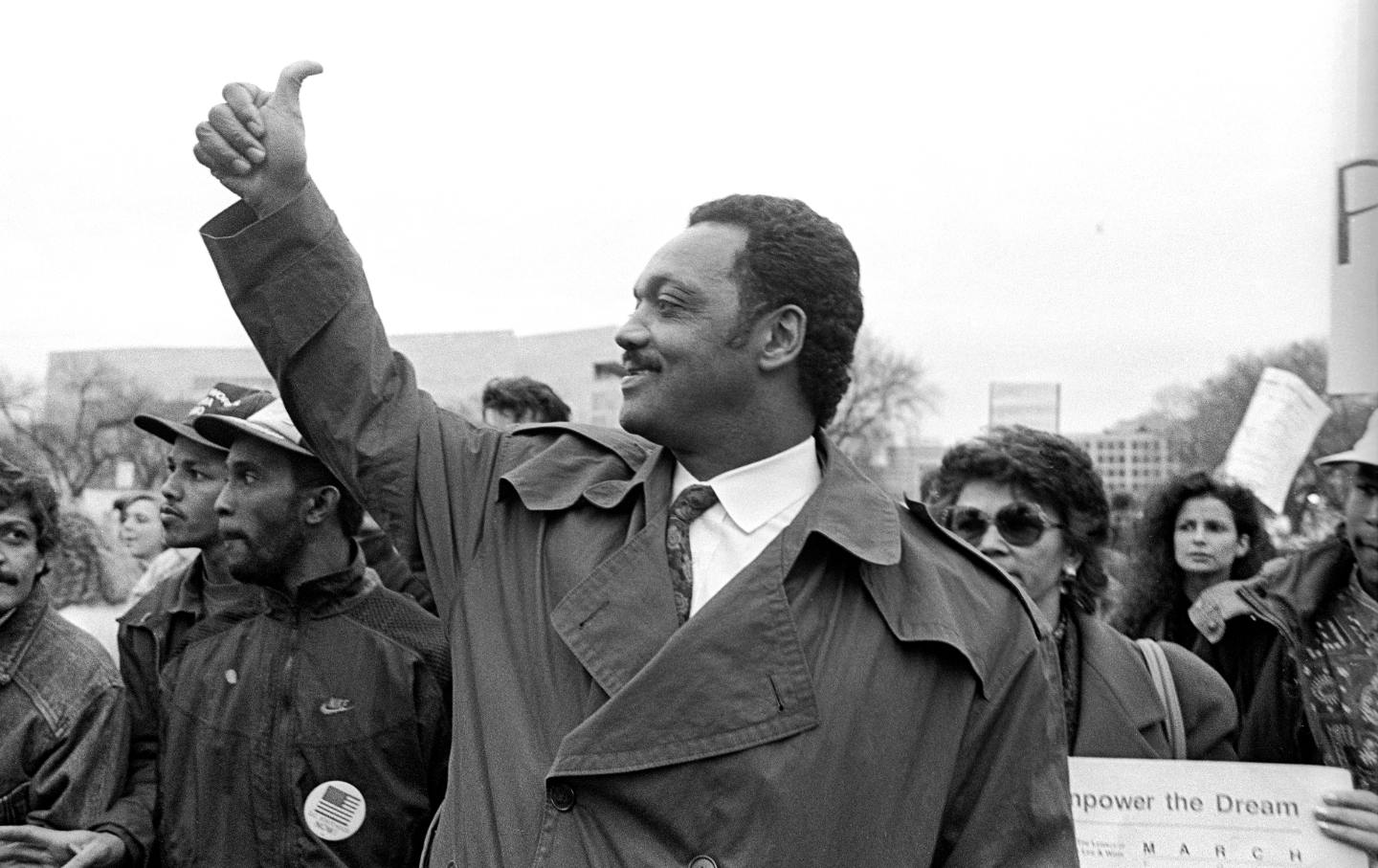
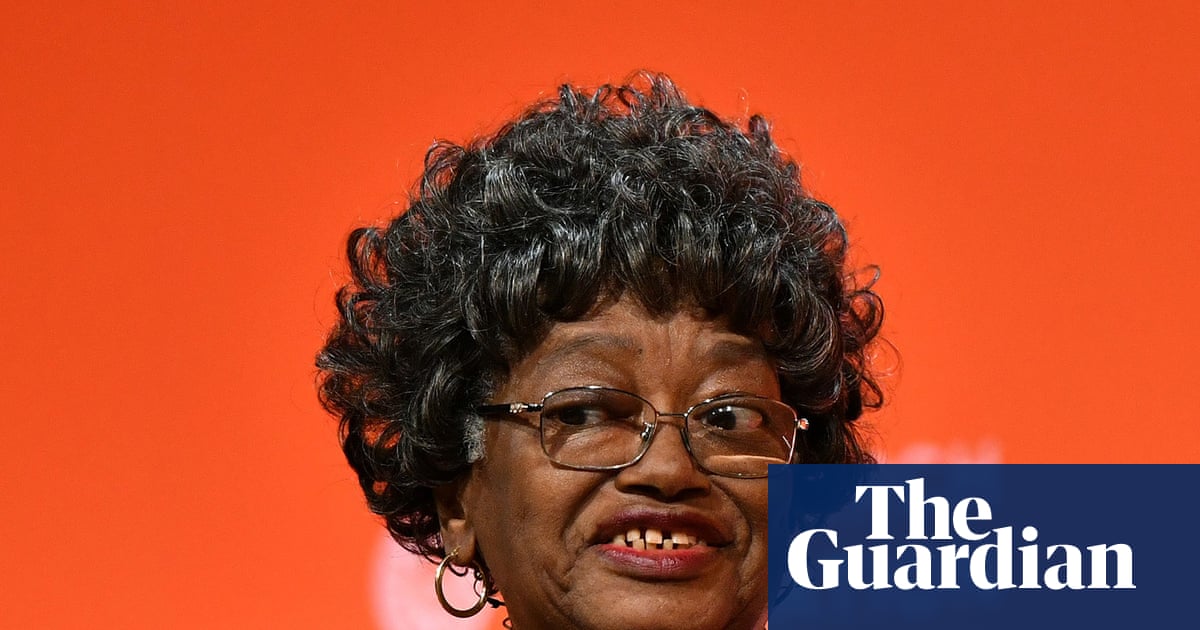
1 month agoAmerica's 250th anniversary collides with a renewed fight over Black history
Following presidential custom, Trump issued a National Black History Month proclamation on Feb. 3 that maintained "black history is not distinct from American history - rather, the history of Black Americans is an indispensable chapter in our grand American story." Yes, but: Its rhetoric, critics say, stands in tension with the Trump administration's recent actions, raising questions about whether commemoration without context ultimately obscures more than it honors.
US politics
History
fromwww.mercurynews.com
2 months agoToday in History: January 30, Catholic civil rights marchers killed on Bloody Sunday'
January 30 features multiple major historical events—including Bloody Sunday, King Charles I's execution, Gandhi's assassination, the Tet Offensive, and several notable births.
fromFast Company
2 months agoHow Martin Luther King Jr. was a trailblazer in pushing for universal basic income
King's intuition was that white people with lower incomes would support this type of policy because they could also benefit from it. In 1967, King argued, "It seems to me that the Civil Rights Movement must now begin to organize for the guaranteed annual income . . . which I believe will go a long, long way toward dealing with the Negro's economic problem and the economic problem with many other poor people confronting our nation."
US politics
fromwww.housingwire.com
2 months agoHow MLK's Fight for Homeownership Equality Changed My Life
During the Civil Rights Movement, the Chicago Freedom Movement took place from 1965 to 1967. Dr. King co-led this campaign with local activists to confront racial discrimination, segregation, and housing inequities in one of America's largest cities. Unlike the Jim Crow laws of the South, segregation in Chicago was often enforced through policy, lending practices and real estate discrimination rather than explicit laws.
Social justice
fromBusline News
2 months agoLaketran And Geauga Transit To Honor Rosa Parks - Busline News
Laketran and Geauga Transit, both located in northeastern Ohio, will honor the life and legacy of Rosa Parks through a weeklong tribute recognizing her courage and the lasting impact of her actions on civil rights in America. Rosa Parks, born February 4, became a symbol of strength and resistance in 1955 when she refused to give up her seat to a white passenger on a segregated bus in Montgomery, AL. Her decision helped ignite the Montgomery Bus Boycott and propelled the nation forward in the fight for equality. Today, she is remembered as the "Mother of the Modern-Day Civil Rights Movement."
Social justice
[ Load more ]