#motor-neurone-disease
#motor-neurone-disease
[ follow ]
#lewis-moody #rugby #neurodegenerative-disease #neil-grayson #dementia #football #cheltenham-town #doddie-weir


fromwww.theguardian.com
2 months agoEric Dane obituary
The character first appeared in 2006, in the second series of the show, as a one-off visitor to the fictional Seattle Grace hospital, to which his former best friend, the neurosurgeon Derek Shepherd (played by Patrick Dempsey), had moved following Mark's affair with his wife. Mark's flirting with Derek's new girlfriend, Meredith Grey (Ellen Pompeo), leads his old pal to punch him in the face.
Television
fromComputerWeekly.com
5 months agoHow digital twins are helping people with motor neurone disease speak | Computer Weekly
An initiative by a UK-based charity, supported by technology companies and universities, has developed an artificial intelligence (AI)-powered digital twin that allows people with communications disabilities to speak in a natural way. The technology, known as VoxAI, represents a step-change from the computer-assisted voice used by late physicist Stephen Hawking, one of the first well-known public figures with motor neurone disease (MND).
Artificial intelligence
fromwww.bbc.com
5 months ago'MND took our son at 14 - anyone at any age can get it'
Kyle Sieniawski, 14, from Pontypridd, Rhondda Cynon Taf, died on 27 November, after being diagnosed less than a year ago with MND. The disease typically affects people aged over 50, and Kyle is believed to be the youngest person to have died with MND in the UK. Former rugby league star Kevin Sinfield, who is currently running seven ultramarathons in seven days for MND awareness, told Kyle's family the "community" will be there for them, and Kyle "will always be remembered".
Medicine
Medicine
fromwww.theguardian.com
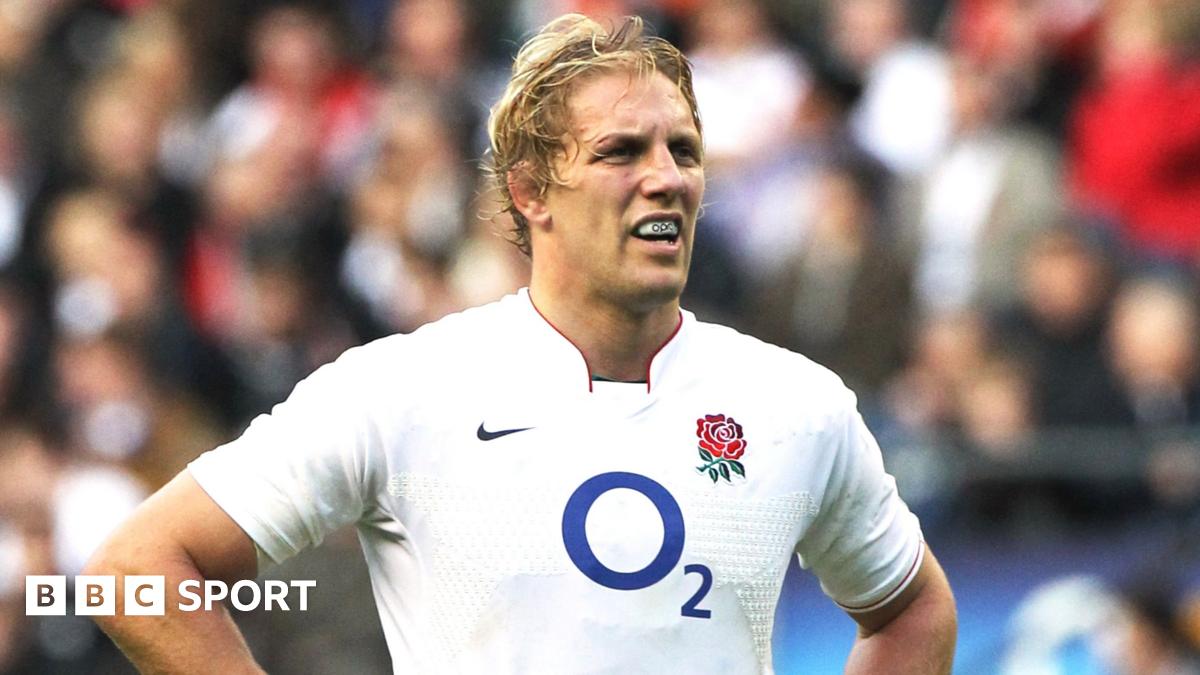
7 months agoEveryone wants answers for former rugby players like Lewis Moody but they are hard to come by | Andy Bull
Evidence suggests a correlation between traumatic brain injuries and Motor Neurone Disease, but causation remains unproven amid multiple genetic and environmental risk factors.
fromIndependent
11 months ago'Life goes on, every case is different' - how one of Ireland's top chefs is living with motor neurone disease
Chef Gearóid Lynch’s journey with motor neurone disease (MND) underscores that a diagnosis can hold different meanings, and there can be hope beyond the expected.
SF LGBT
London politics
fromIrish Independent
1 year agoObituary: David Doyle, businessman and son of of legendary hotelier whose time in charge of the family business repeatedly hit the headlines
David Doyle, hotelier and businessman, died at 67 after battling motor neurone disease, leaving behind a legacy in the hotel industry.
[ Load more ]