"We want to identify what a monarch's overwintering path looks like," said Ashley Fisher of the Xerces Society, which works on the conservation of insects and other invertebrates.
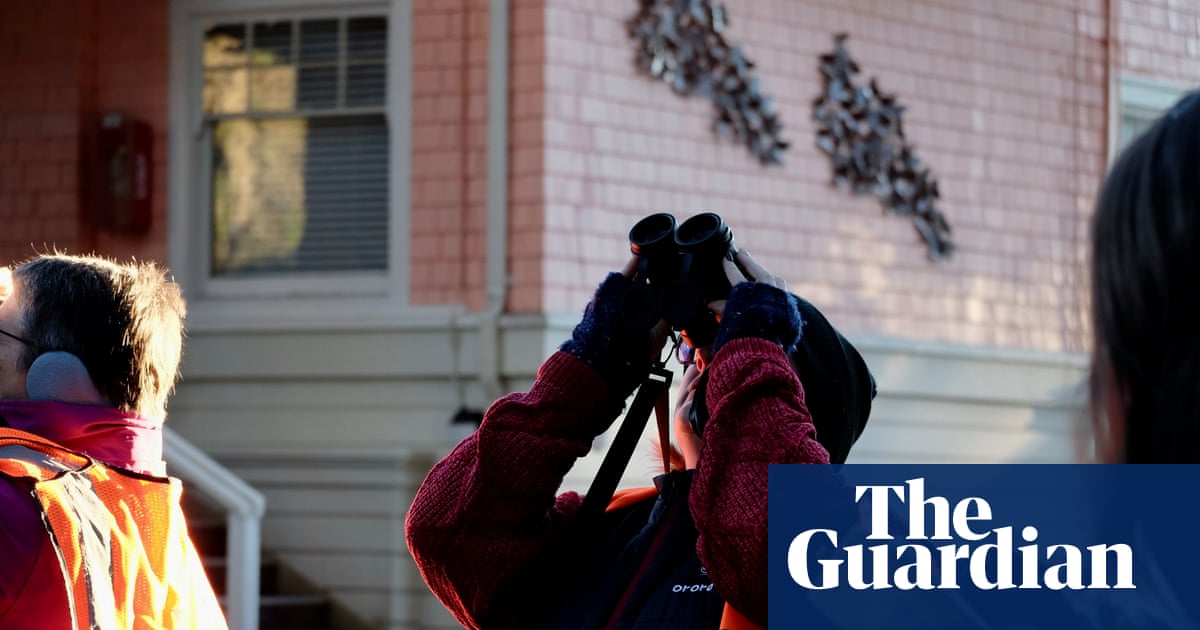
For the first time in California, citizen scientists like Hernandez can join the effort to track monarch butterflies thanks to Blu+, a new generation of ultra-light tags that communicate using Bluetooth technology. Through the Project Monarch app, available for iPhone or Android, anyone with a smartphone can assist researchers in monitoring migration patterns by scanning their surroundings. If a Blu+ tagged butterfly flutters within a 100-yard range, the phone detects the signal and uploads data to a central database.
Ever since I first read Janine Benyus's Biomimicry: Innovation Inspired by Nature, I've descended into a rabbit hole in search of what " intelligence " really means (and who has it). Perhaps that's why I love the name of this newsletter so much. [It's a worm, after all. A humble, indispensable critter buried beneath the soil.] Benyus's central argument is that the "smartest" solutions to human problems already exist in nature. We just need to know where, and how, to look for them. (For instance: wind turbines inspired by humpback whales.)
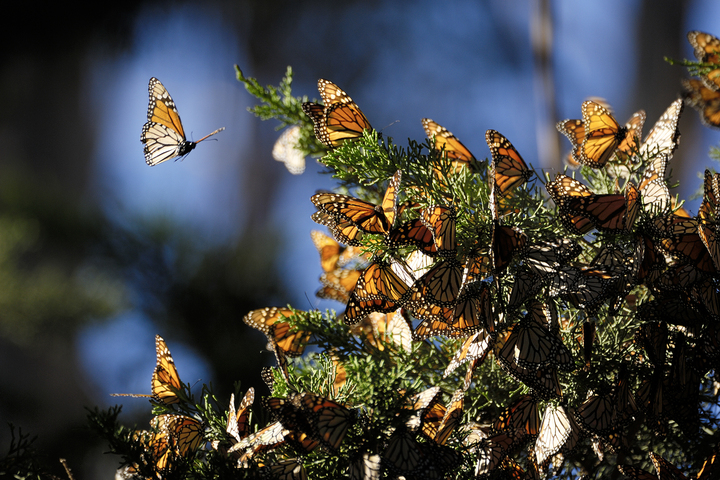
Many (but not all) monarchs migrate seasonally, seeking refuge from too-cold temperatures. In Western North America, monarchs fly south from Canada and the Pacific Northwest to overwinter in temperate spots along the California coast. Some come from colder regions west of the Rocky Mountains, too. The overwintering season in California is roughly October to February. During this time, monarchs cluster together in packed colonies for warmth-in a good year, thousands of monarchs might rest on a single tree, creating a kaleidoscope of brilliantly colored wings.