#medicaid-program
#medicaid-program
[ follow ]
fromThe Oaklandside
5 days agoThousands in Alameda County will lose CalFresh this week. Here's what to know
"There are people who have come here after escaping violence and persecution and torture. These are communities that we have historically said, 'You are welcome here. We have the support for you. We're going to help you get established in our country.' And now, the federal government is abandoning them."
East Bay (California)
fromTruthout
6 days agoLow-Income Moms Struggle to Keep Their Families Afloat Amid Gas Price Increases
Luna Rosado, a single mother, has seen her gas expenses rise by $40 weekly due to a 30 percent increase in prices after the war in Iran. This has resulted in $160 less for groceries and other necessities each month, forcing her to constantly adjust her budget.
Washington DC
fromNews Center
3 days agoPolicy Intervention Linked to Increase in Kidney Transplants in Black Patients - News Center
"This argues for the need to sustain such policies and shows that it is possible to right the wrongs retroactively, which is a powerful idea," said Kenneth Michelson, MD, MPH, associate professor of Pediatrics in the Division of Emergency Medicine and a co-author of the study.
Medicine


fromwww.npr.org
5 days agoAppeals court rejects HUD homelessness overhaul saying it would be "disastrous"
The ruling upheld a lower court's preliminary injunction, the latest rebuke to a major shift that advocates warn would push 170,000 people in federally subsidized housing back into homelessness.
US news

fromTruthout
3 weeks agoStates Tighten HIV Drug Assistance, Raising Access Concerns
Congress has kept key drug assistance funding at $900.3 million annually since 2014. New enrollments for state programs jumped 30% from 2022 to 2024, in part because states cut off pandemic-era Medicaid assistance. As of January, at least 18 states have pulled back their Ryan White AIDS Drug Assistance Programs, known as ADAPs, in some way.
NYC LGBT


Public health
fromABC7 San Francisco
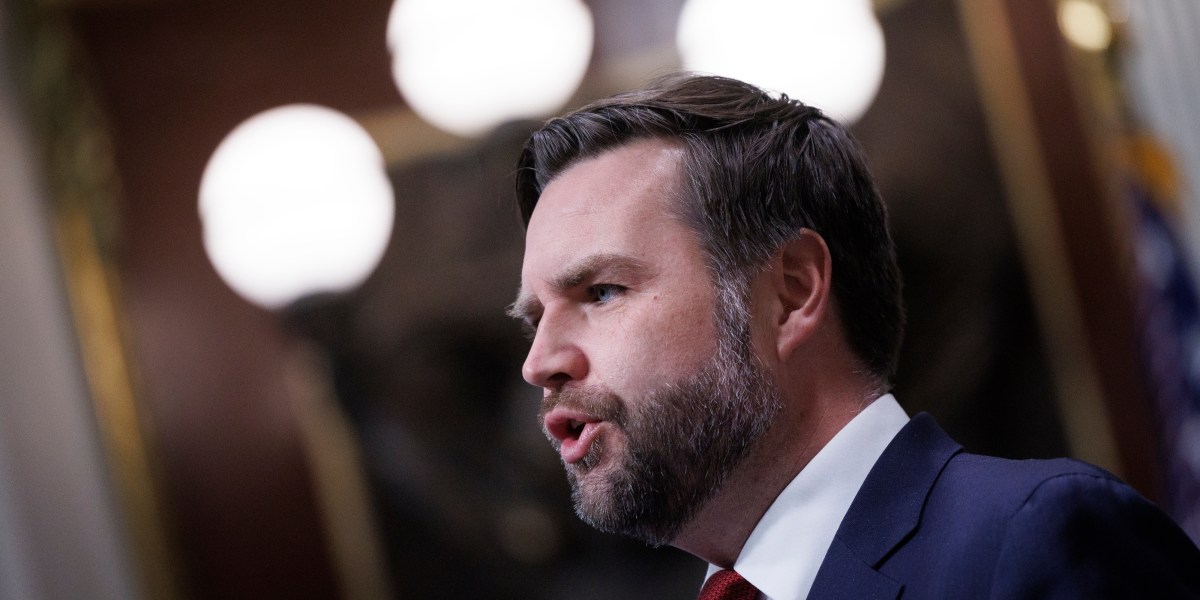
1 month agoTrump's new Medicaid work mandate could leave thousands of homeless Californians uninsured
Trump's new Medi-Cal work requirements and increased verification frequency will likely cause over 90% of unhoused Californians to lose health insurance coverage starting in 2027.

Public health
fromLGBTQ Nation
1 month ago17 states consider cutting assistance for HIV meds as prices increase - LGBTQ Nation
Seventeen states and D.C. have cut AIDS Drug Assistance Program costs while federal funding stagnates, threatening medication access for low-income HIV patients and risking public health crises.
fromLos Angeles Times
1 month agoThere were 13 full-service public health clinics in L.A. County. Now there are 6
Because of budget cuts, the Los Angeles County Department of Public Health has ended clinical services at seven of its public health clinic sites. As of Feb. 27, the county is no longer providing services such as vaccinations, sexually transmitted infection testing and treatment, or tuberculosis diagnosis and specialty TB care at the affected locations, according to county officials and a department fact sheet.
Public health
US politics
fromwww.mediaite.com
1 month agoTrump Administration Withholds $260 Million In Medicaid Funds for Minnesotans
The Trump administration is withholding $259.5 million in federal Medicaid funding from Minnesota and implementing a six-month national moratorium on Medicare enrollment for medical equipment suppliers to combat alleged fraud.
fromwww.mercurynews.com
2 months agoOpinion: California families face deadly health care cuts. Billionaires can afford to pitch in.
Doctors told us my grandson wouldn't live past three months, but they didn't know Elijah was capable of. Today he's 7 years old, stubborn as ever and fighting every day to prove them wrong. Elijah was born with cerebral palsy. Caring for him is a full-time, all-hands-on-deck operation that includes in-home nurses, physical and occupational therapy, school support and a small pharmacy's worth of medications.
California
New York Islanders
fromwww.amny.com
2 months agoOp-Ed | As healthcare costs surge, lawmakers should focus on reforming rather than expanding costly government programs amNewYork
Expanding 340B program and rising healthcare costs are exacerbating unaffordability, harming minority-owned businesses, and lacking transparency and oversight.
#medicaid-fraud


Healthcare
fromwww.npr.org
2 weeks agoThe threats to Minnesota's Medicaid funds are unprecedented. Other states could be next
Medicaid fraud investigations in Minnesota threaten funding for essential services for vulnerable populations, including children with disabilities, raising concerns about unprecedented disruption to healthcare coverage.
fromThe Nation
1 month agoThe Red State-Blue State Healthcare Divide Is Dangerous for Everyone
In light of the systemic dismantling of America's public health agencies, these moves essentially create a shadow infrastructure to maintain some of what is being lost. While this is a promising development, it does nothing to stop a troubling trend that has been emerging for some time: The country is quickly becoming fragmented along partisan lines when it comes to public health.
Public health
fromTruthout
4 weeks agoFlorida Lawmakers Aim to Add Work Requirements Without Expanding Medicaid
You cannot change the terms of the work requirement. It's a pretty easy no. Federal law holds that non-expansion states cannot adopt work requirements under the One Big Beautiful Bill Act. Leo Cuello, an attorney and professor at Georgetown University's McCourt School of Public Policy, cites guidance from the Centers for Medicare and Medicaid Services in making this determination.
Healthcare
Healthcare
fromwww.npr.org
1 month agoIn lawsuit, Minnesota accuses Trump administration of 'weaponizing' Medicaid funding
Minnesota sued the Trump administration for withholding approximately $250 million in federal Medicaid matching funds, alleging political punishment amid fraud investigation claims.

Healthcare
fromBusiness Insider
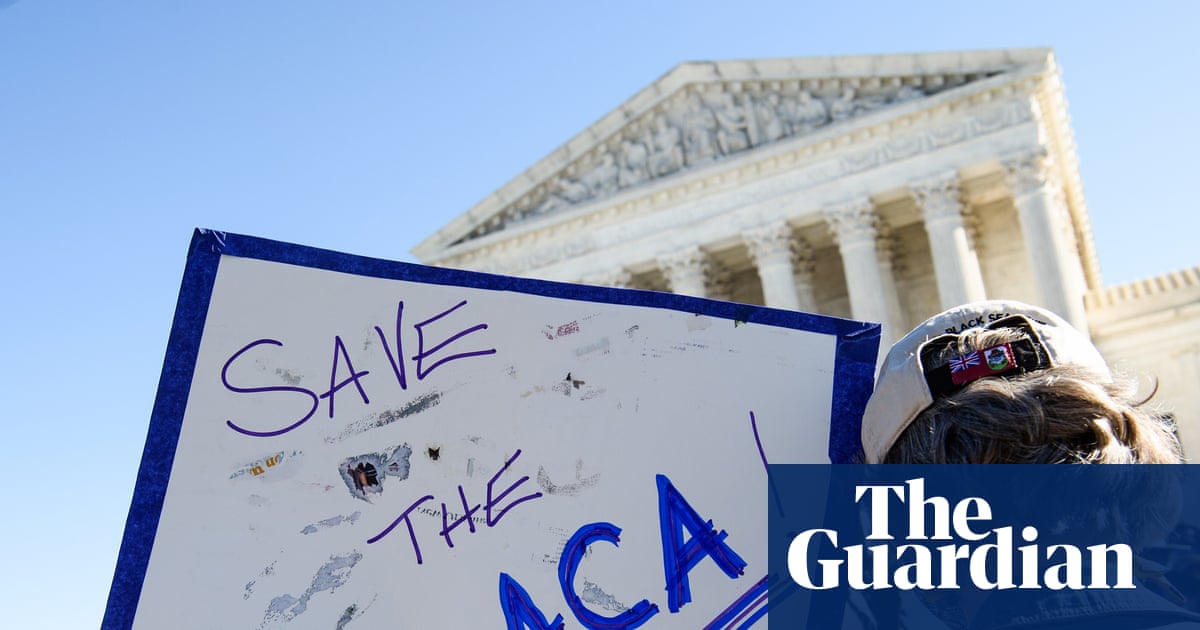
1 month agoWaiting for Medicare and skipping prescriptions: Meet the Americans on the brink of losing health insurance
Expiration of enhanced ACA subsidies on December 31 caused monthly premiums to spike hundreds of dollars, forcing over 1 million Americans to cancel marketplace plans between early 2025 and 2026.
fromMedCity News
1 month agoWhy HHS Scrapping Its 340B Rebate Program Is a Win For Providers - MedCity News
The 340B program allows hospitals to buy outpatient drugs at steep discounts, with the purported purpose of helping them fund care for low-income and uninsured patients. The now-axed rebate model would have invited drugmakers to participate voluntarily in a rebate-based discount system. Basically, instead of the provider receiving a discount upfront at purchase, the 340B discount would be applied after purchase via rebate - and subject to tedious data submission requirements.
Public health
[ Load more ]