Running
fromwww.bbc.com
2 weeks agoMan breaks knitting record while running London Marathon
Simon Fannon set a world record for knitting the longest scarf while running the London Marathon, raising money for charity in the process.
I love knitting things from film and television. My big magnum opus is I did the Oaken sweater from Frozen, which I designed the chart for. I also happened to really love Project Hail Mary. I read the book about a year ago, and I absolutely loved it. So when the first trailer dropped in October [2025], I immediately clocked this sweater because I had seen the pattern previously.
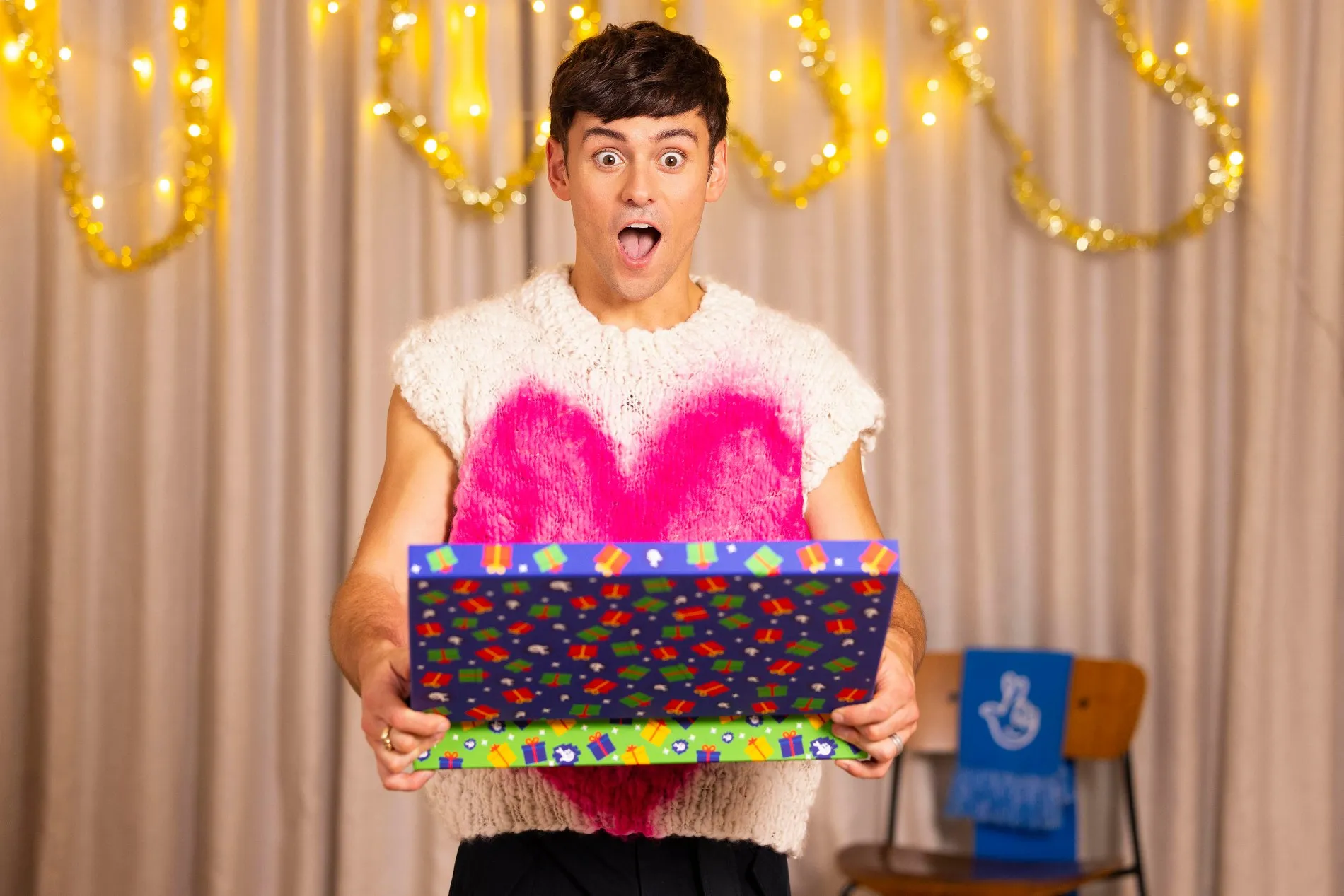
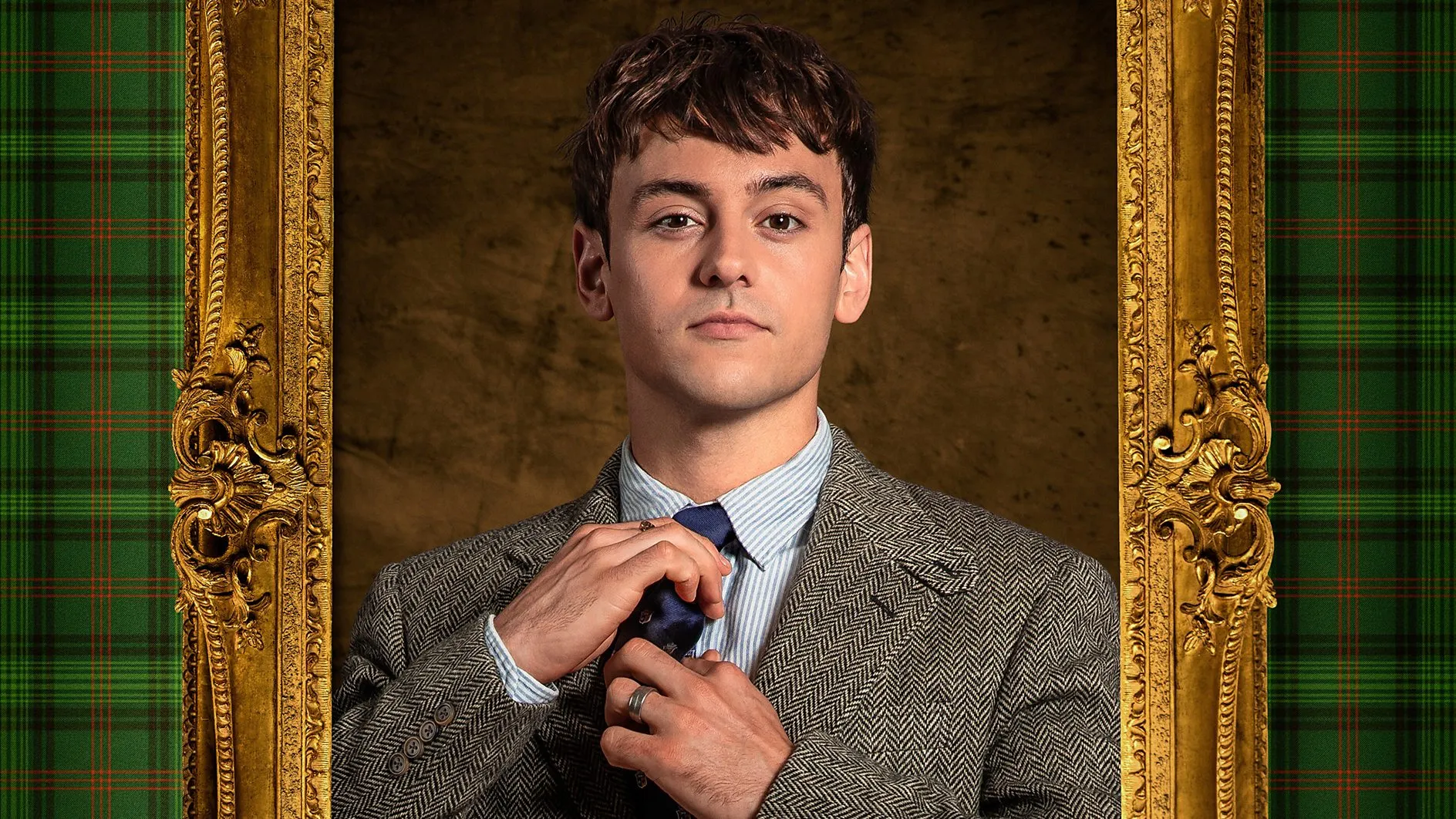
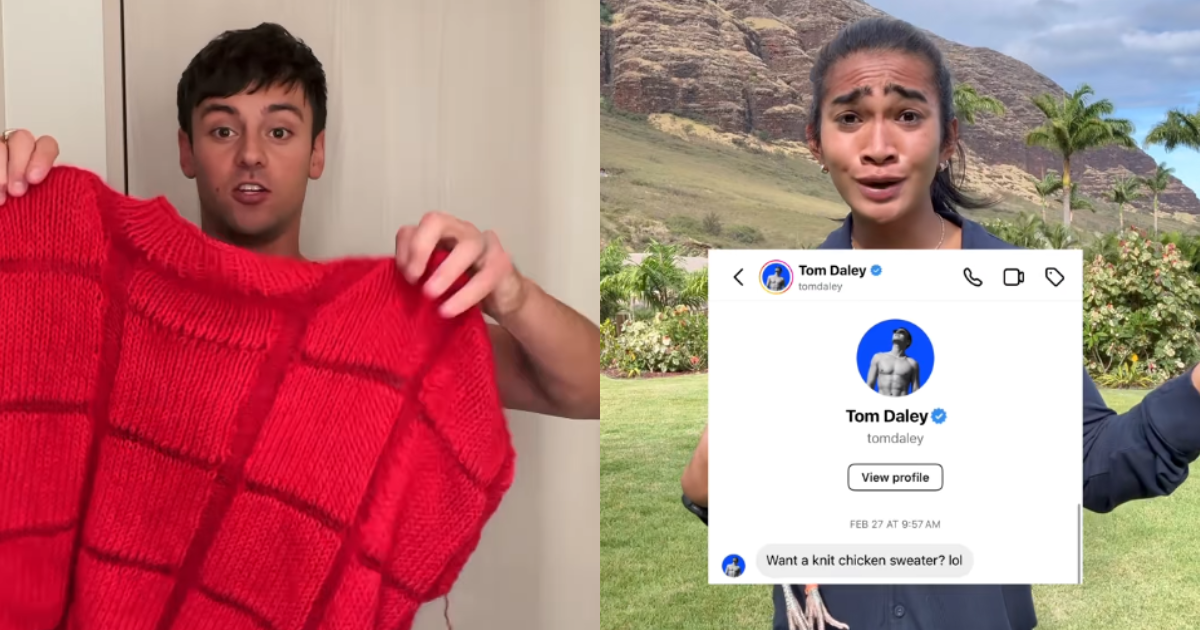
Knitting is the perfect activity to calm the body and soothe the mind during a high-pressure event like the Winter Olympics. Once you internalize your stitch pattern, you can just zone out and focus on how the yarn feels between your fingers, and for those EMDR girlies among us, knitting also counts as bilateral stimulation. Since diver Tom Daley went viral in 2021 for knitting between events at the Tokyo Olympics, he's become something of a knitbassador for the craft,
Knitting was a childhood hobby of Mary Mwangi, a tall and talkative woman who runs a tailoring shop in Thika town in Kenya's Kiambu County. But it was only in 2017, when she was bedridden for 11 months after having cancer treatment, that she picked it up again. The first time Mwangi was diagnosed, it was with spine cancer. Housebound and wanting to pass the time, she decided to knit hats, which she ended up donating to cancer patients at Kenyatta National Hospital.
It's not so much what Hank Green said, but what the Hank Green-hosted SciShow on YouTube put forward. The video is framed as physicists using science to explain the art of knitting, which until now has been innovated simply "through trial and error," and that "how it all works was mostly a mystery." Recently, scientists used a computer model to determine how certain knit stitches will behave, thus being able to predictively pattern knit fabrics for the first time.
Knitting, once tied to blankets and scarves, now inspires furniture, lighting, and home accessories, showcasing its potential for creativity and function.