#internet-governance

[ follow ]
Social justice
fromElectronic Frontier Foundation
1 week ago

EFF Stands in Solidarity With RightsCon and the Global Digital Rights Community

RightsCon was canceled in Zambia and online due to political pressure, reflecting a broader global pattern of shrinking civic space and hostility to free expression.

fromTheregister
3 weeks ago

ICANN opens applications for new gTLDs

The domain name system as we know it came into being thanks to RFC 920, penned by internet pioneers Jon Postel and Joyce Reynolds, which suggested creating .gov, .edu, .com, .mil, and .org gTLDs.
Intellectual property law
fromTheregister
2 months ago

AFRINIC says litigant is trying to 'paralyse' it

We are currently facing a web of litigation and procedural roadblocks driven by CIL, Larus Ltd, and associated advocacy campaigns. The post mentions litigation to prevent the registry from issuing IPv4 addresses, and objections to the creation of a new committee to consider bylaw changes.
Intellectual property law
Tech industry
fromTheregister
3 months ago

Internet governance can be messy. APNIC is good with that

APNIC faces member scrutiny over governance, diversity, finances, IPv6 adoption, and responsiveness while its director general urges greater member engagement and civic education.
#afrinic
fromwww.theguardian.com
3 months ago

It's not too late to fix it': internet inventor Tim Berners-Lee says he is in a battle for the soul of the web'

When Sir Tim Berners-Lee invented the world wide web in 1989, his vision was clear: it would used by everyone, filled with everything and, crucially, it would be free. Today, the British computer scientist's creation is regularly used by 5.5 billion people and bears little resemblance to the democratic force for humanity he intended. In Australia to promote his book, This is for Everyone, Berners-Lee is reflecting on what his invention has become and how he and a community of collaborators can put the power of the web back into the hands of its users.
Digital life
World politics
fromTheregister
5 months ago

UN sticks with multi-stakeholder internet governance model

UN General Assembly preserved the multi-stakeholder internet governance model and made the Internet Governance Forum permanent with proper funding under WSIS+20.
fromTheregister
5 months ago

ICANN distances itself from radical governance plan it funde

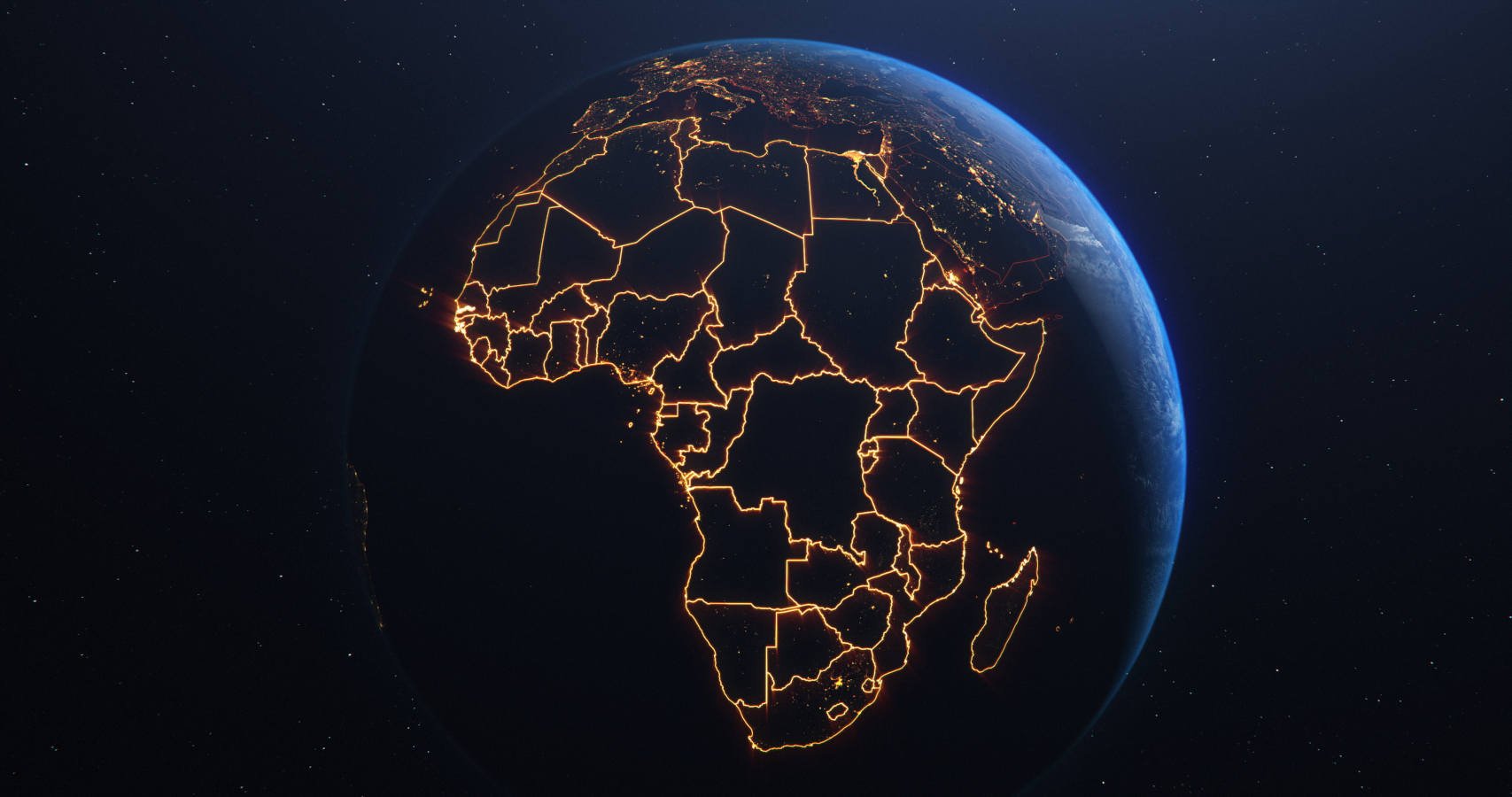
The governance model is called the Council of African Internet Governance Authorities (CAIGA) framework, and is the work of Smart Africa, an entity that represents 42 African nations that work to accelerate adoption of digital technology across the continent. Member nations' heads of state sit on Smart Africa's board. The CAIGA framework suggests creating a body to represent Africa at internet global internet governance bodies, and for that body to supersede
World news
#child-safety
[ Load more ]