#international-shipping
#international-shipping
[ follow ]
#tariffs #de-minimis-exemption #strait-of-hormuz #e-commerce #us-customs #northern-sea-route #russia
#strait-of-hormuz



World news
fromLondon Business News | Londonlovesbusiness.com
1 month agoTrump Calls on UK to Send Warships Now - London Business News | Londonlovesbusiness.com
Trump threatens military action to reopen the Strait of Hormuz and calls on allied nations to send warships to protect shipping lanes against Iran.

fromLondon Business News | Londonlovesbusiness.com
1 month agoCooper: Iran must not be allowed to 'hijack' Strait of Hormuz - London Business News | Londonlovesbusiness.com
"It is crucial that Iran is not allowed to impose tolls on the Strait of Hormuz. This is an international transit route through the high seas, and it cannot be allowed to impose restrictions as it reopens."
World news
Washington DC
fromWashingtonian - The website that Washington lives by.
2 months agoEnergy Secretary's Incorrect War Tweet Scrambles Markets, Yet Another Trump-Epstein Statue Appears on Mall, Naked Burglar on the Loose in Fairfax - Washingtonian
Nearly 150 US troops were wounded in military operations related to Iran, with most injuries minor and over 100 returning to duty, while the US destroyed Iranian mine-laying vessels and France deployed warships to protect shipping through the Strait of Hormuz.

E-Commerce
fromLondon Business News | Londonlovesbusiness.com
5 months agoYou've already missed the last deadline for sending a parcel for Christmas - London Business News | Londonlovesbusiness.com
Many international parcel services set early courier collection deadlines for Christmas, with some destinations' final recommended dates in mid-December or earlier.


fromIrish Independent
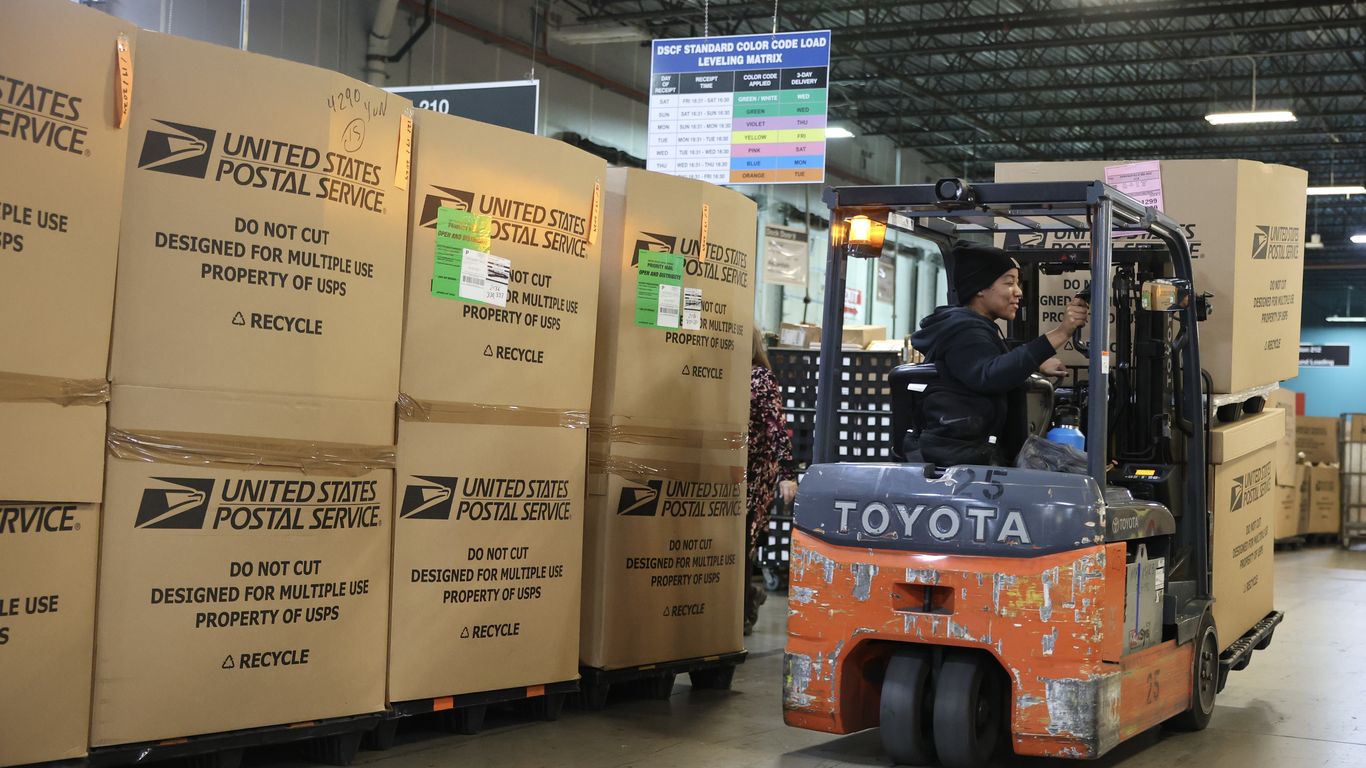
8 months agoAn Post to keep sending parcels to US but Trump tariffs must be paid by recipient first
Any Irish-based business or individual sending a parcel worth more than $100 to the US will have to ensure the US-based recipient has paid any tariffs owed. An Post has developed the new procedure with a US postal partner. Under the new rules, Irish parcel senders need to alert the US recipient of their requirement to pay taxes on the item being shipped. An Post's US partner will then contact the customer to collect the payment securely.
Miscellaneous

[ Load more ]