London
fromTime Out London
1 day agoThe Queen Elizabeth II memorial has officially been approved
Grade II-listed monuments in St James's Park will be relocated for the new Queen Elizabeth II memorial project costing £46 million.
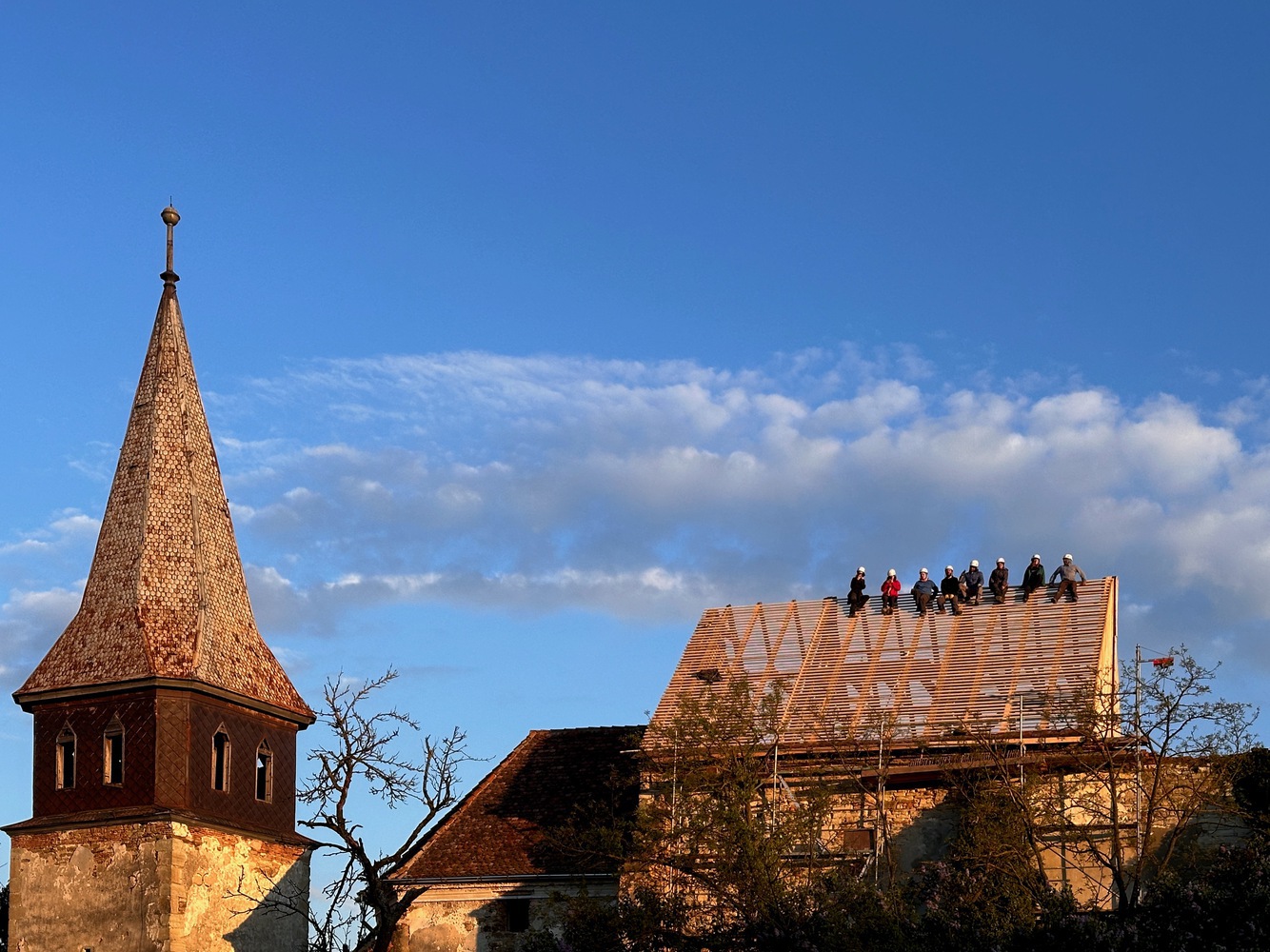
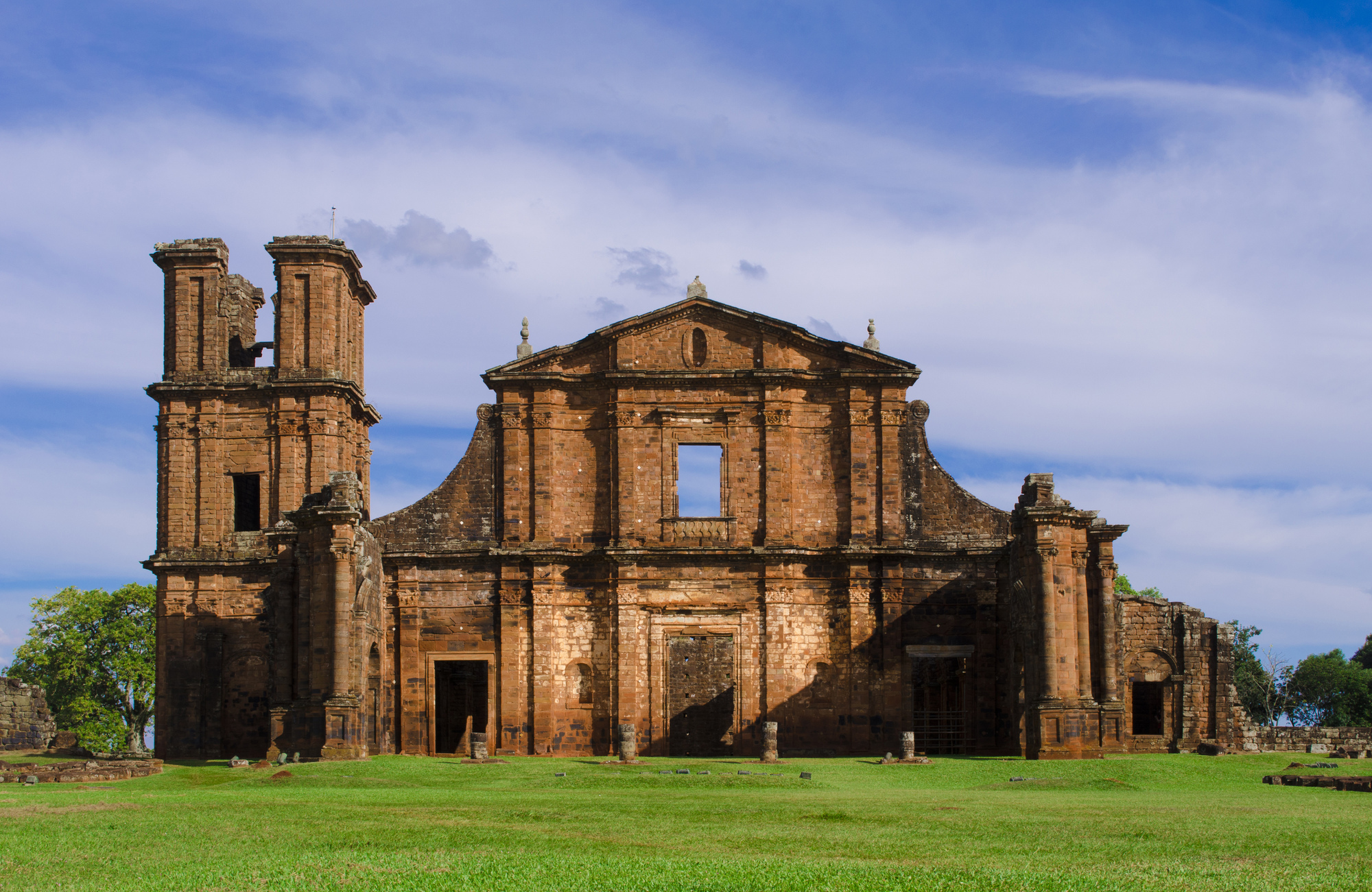
"The ruins from the Middle Ages are part of our common history. With these grants, we are strengthening the work that makes it possible to preserve them, not only as historical traces, but also as living sources of knowledge for both researchers, craftsmen and local communities."
The designation prohibits the sites from being targeted or used for military purposes, with violations potentially constituting serious breaches of the 1954 Hague Convention and grounds for criminal responsibility.
Bregman claims, 'Today the whole of Europe risks turning into one big Venice, a beautiful open-air museum. A great destination for Chinese and American tourists. A place to admire what was once the centre of the world.' This statement encapsulates the concern that Europe is losing its cultural significance.
The Rio-Antirrio Bridge, with its triangular sections resembling giant sails, is the world's longest multi-span cable-stayed bridge, spanning 2,880 meters across the Rion Strait. Completed in 2004, it transformed travel between the Peloponnese and mainland Greece, reducing ferry crossing times significantly. The views from the bridge are breathtaking, offering glimpses of the indigo waters and majestic mountain ranges.
Singapore has a special way of blending old traditions with modern life, especially evident in its historic neighborhoods like Chinatown, Little India, and Kampong Glam. There, colorful shophouses, temples, and mosques sit alongside cafes and boutiques, while long-standing food and craft traditions remain part of daily life.
After the historical Iranian city of Isfahan was targeted by several major strikes, its governor Mehdi Jamalinejad claimed that serious damage had been inflicted even after blue shields were put on the roofs of culturally important buildings. This is an internationally recognized signal under the 1954 Hague Convention for the Protection of Cultural Property in the Event of Armed Conflict.
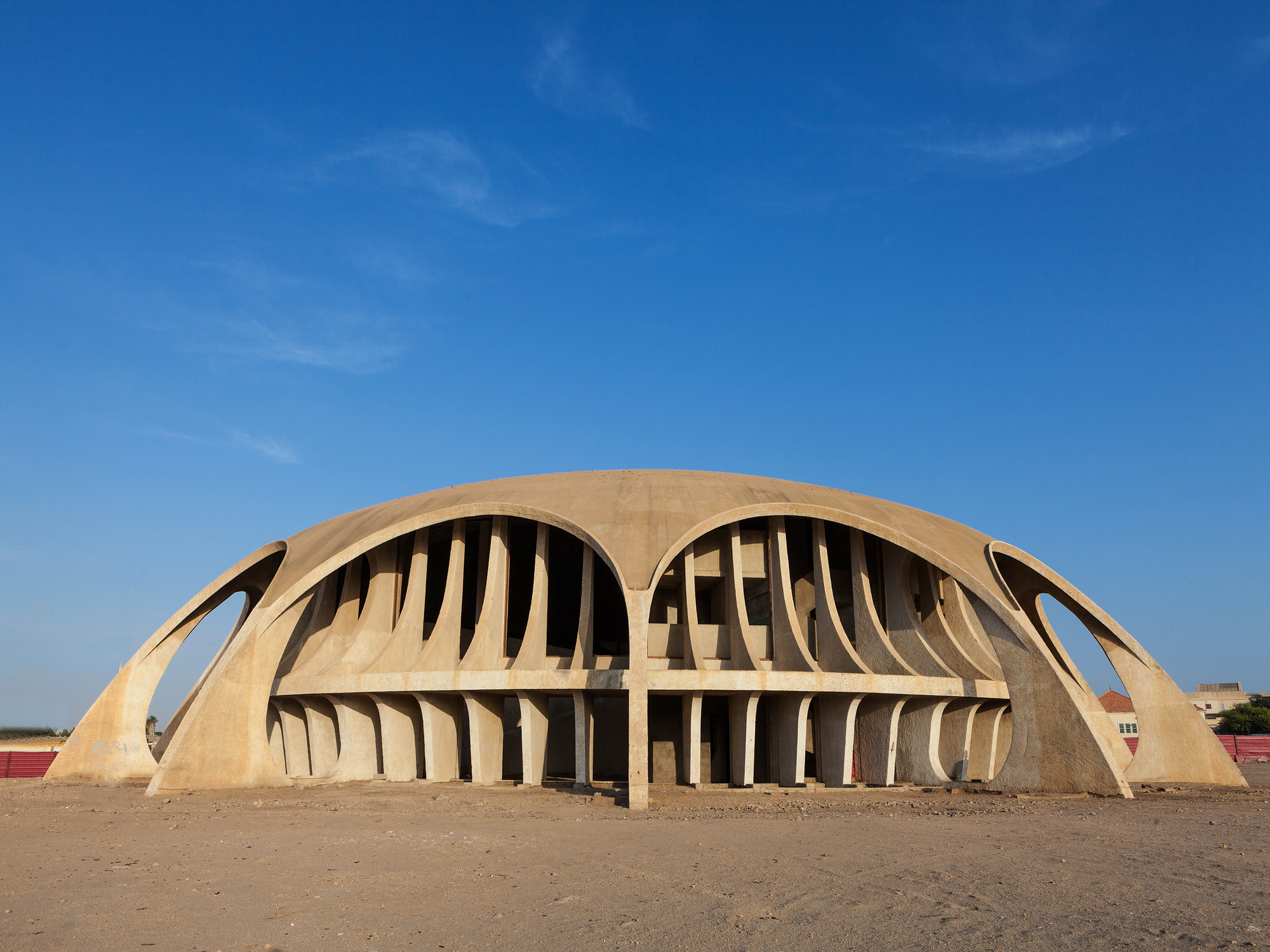
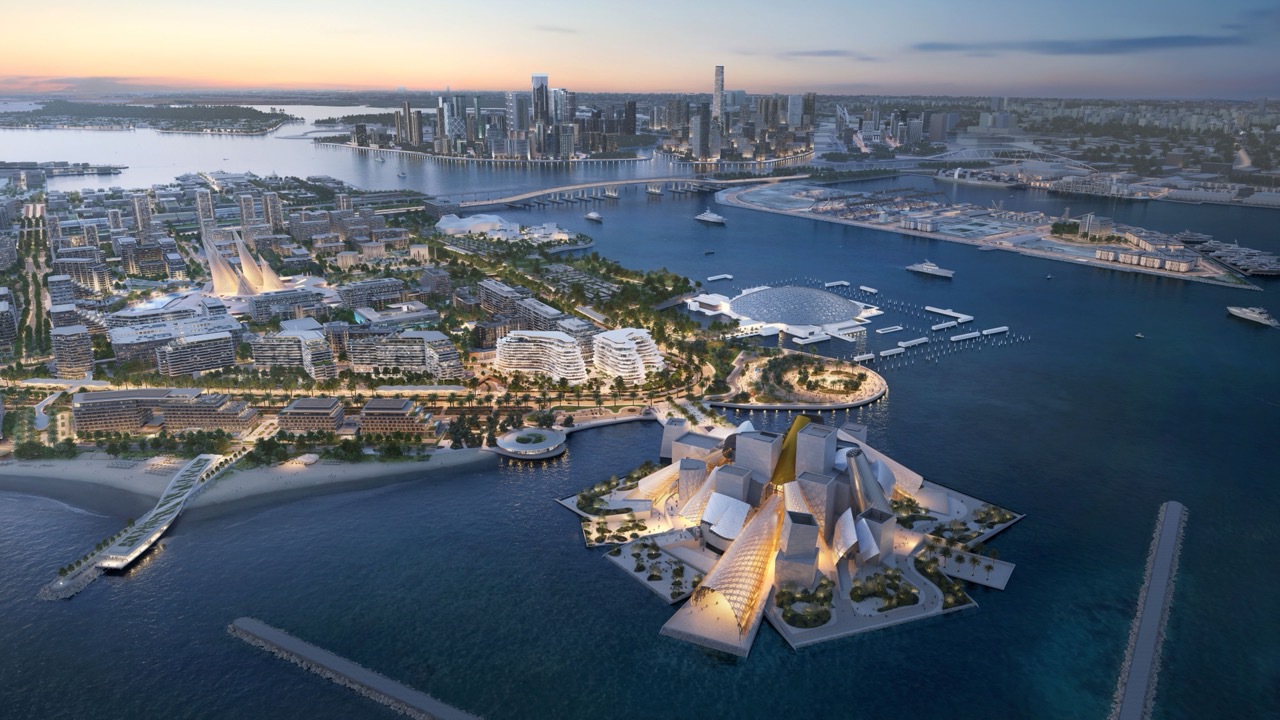
The contemporary technology museum has emerged as a performative participant in the systems it seeks to document. The architecture of these institutions has become increasingly fluid and bold, often mirroring the velocity and complexity of the systems it houses. They operate as mediators between the human, the ecological, and the technological realms, transforming from encyclopedic warehouses into active educational engines.
The Arctic World Archive (AWA) is a data storage unit where organisations and individuals can deposit records kept on specialist digitised film called Piql that lasts up to 2,000 years. On 27 February, Nigeria became the first African country to place archives at the facility 300 metres beneath a mountain where the cold, dark, dry conditions are perfect for preservation.
The two socketed axes were discovered last year by a metal detectorist who recognized that their careful positioning could not have been a natural process. He reported the find to the Westphalia-Lippe Regional Association (LWL). The subsequent excavation of the find site revealed a far more complex depositional context. Beneath the axes is a pit carved into the rock.
Europe has never been short on spectacle. Yet beyond the headline cities and endlessly recycled itineraries lies a quieter, deeper continent; one that's best encountered through patience and a willingness to detour from the obvious itinerary. Our 7 wonders of Europe for 2026 in Europe are not places that beg for attention. Instead, they reward those prepared to explore more than a few miles from the nearest airport and linger a little longer than planned.
A new law empowering Turkey's central government to seize historic properties from local authorities is raising fears that heritage sites are becoming the latest front in a wider campaign against opposition-led municipalities. Among the sites at stake are cultural venues run by the Istanbul municipality, whose mayor Ekrem İmamoğlu launched an ambitious conservation drive and expanded cultural programming before he was jailed last year after announcing plans to run for president.
The Stasi, the secret police, were legendary for their data files. Their work was based on instilling fear, and they induced stunningly amazing numbers of East Germans into informing on their neighbors. Something along the lines of 1 in 6 East Germans were informants, whether out of fear or out of approval of what the East German government was doing.
There are some variations. So we know yodeling with text. But we have also - mostly we have yodeling without text, and this yodel we call naturjodel. And this kind of yodel works like dialects. So it depends on the region you grow up. So if you grew up in eastern part, it sounds very melancholic. When you grow up in middle part, center part of Switzerland, it's quite loud and sometimes also a little bit fast.
"The object of the Museum is to acquire power," announces a crusty old archaeologist in Penelope Fitzgerald's 1977 satire, The Golden Child. It isn't a goal he respects. He wants the museum where he's settled into semiretirement to genuinely devote itself to educating its visitors. Instead, he correctly charges, its curators act like a pack of Gollums, hoarding "the art and treasures of the earth" for their own self-aggrandizement and pleasure.
A 2026 travel report from Hilton identified "inheritourism" as a notable trend for the new year ― with 66% of travelers surveyed by the hotel brand saying that their parents have influenced their choice of accommodations, 60% saying they guided their choice of loyalty programs and 73% saying they shaped their general travel style.
A flag is certain the wind admires it -the breeze flaunting it so its crowns, leaves, crosses, bands of colour, or stars float in air, ready to be honoured, deferred to. In turn the flag at times pats the wind streaming past, confirming they stand together, believing the wind thinks of itself as Tunisian wind orAmerican wind. To people who live under the flag open in its glory, or relaxed against
"I'm here to tell you the story of two children. Both children were Jews, and one of them was me," says Holocaust survivor Hedi Argent. The 96-year-old is addressing Year 9 pupils from St Michael's Grammar School in Barnet, north London. "I was four years old when I first heard about antisemitism," she tells them. "It was explained to me that people didn't like Jews."
Travelers often overlook tiny European countries, but, as I discovered on a recent trip to Luxembourg-Europe's seventh-smallest nation, with a population of just 699,000-there's much to discover in these hidden gems. Last summer, I visited my aunt, who has lived in Europe for over 20 years, with stints in Paris, Vienna, Zug, Switzerland, and now, Luxembourg. We spent three days touring the historic city nestled between Belgium, Germany, and France. It's built on a rocky plateau overlooking deep gorges, a sweeping canyon, and surrounding countryside.
More than 200 scans from multiple satellites, including Italy's Cosmo-SkyMed and the US-based Capella Space, showed uniform results suggesting massive pillars about 65 feet in diameter wrapped in spirals and plunging nearly 4,000 feet deep. Those pillars appear to end in 260-foot cubic chambers beneath all three pyramids and the Sphinx, which Biondi described as 'huge chambers' measuring roughly 260 feet in length and width.
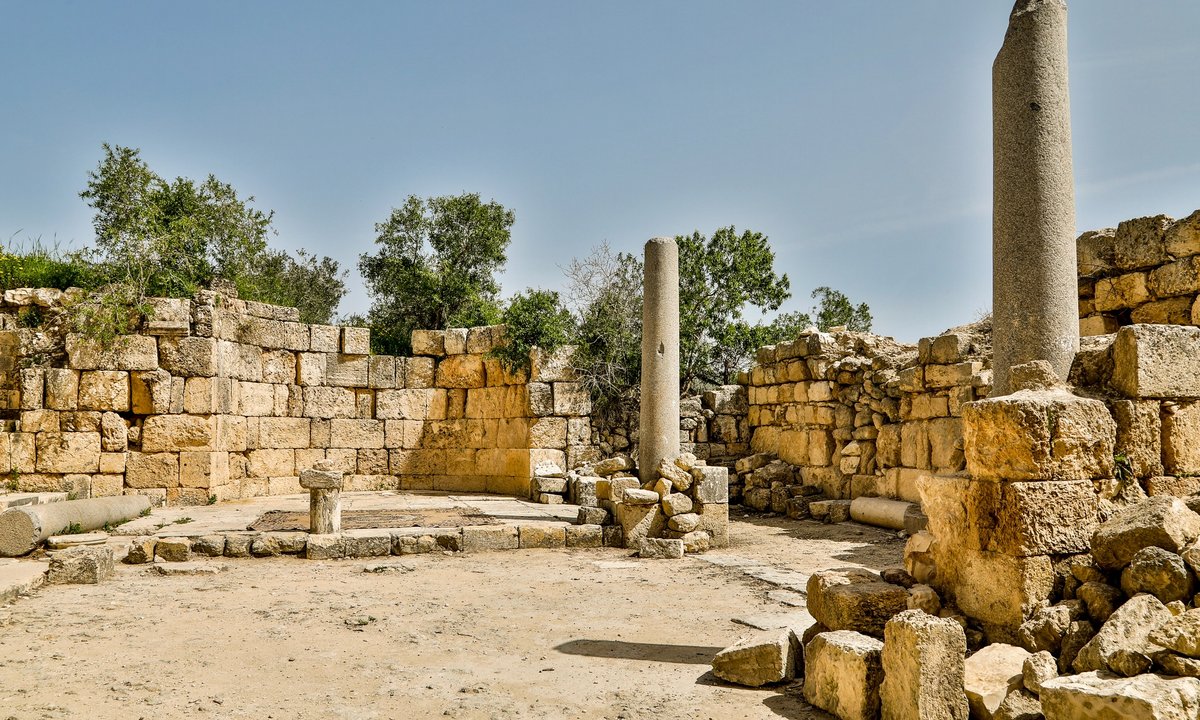
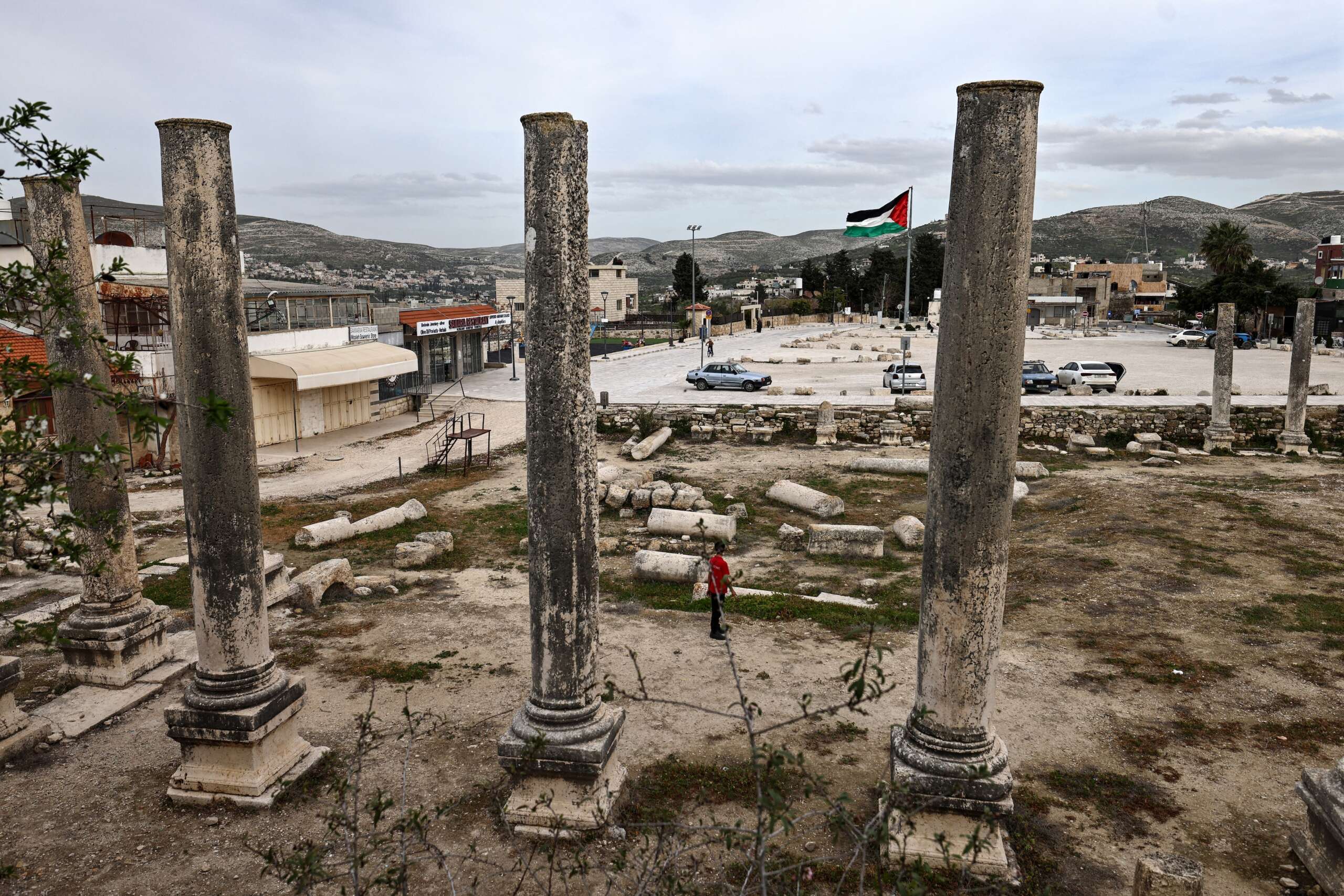
The Byzantine-era church lies half hidden in the shade. Roman columns rise from among the olive trees, even older ruins linked to Israelite kings are overgrown. To the west, the Mediterranean is just visible on the horizon. To the north and south are the hills of the occupied West Bank. In the small town of Sebastia, a hundred metres or less east of the ruins, everyone is very worried.
When Thomas Jefferson wrote about the "inalienable" rights of man in the US Declaration of Independence 250 years ago, it's possible he lifted the term from the French. And long before it was ever used as an adjective to describe human rights, it defined royal property. To this day, "inalienability" remains a cornerstone of public collections in France-and many other countries-impacting museums and their ability to deaccession, including for purposes of restitution.
Archaeologists have discovered what they believe is the world's oldest known rock art, in a cave off the island of Sulawesi, Indonesia. The hand stencil has been dated to at least 67,800 years ago, making it 1,100 years older than the earliest example of rock art that was known about before this, produced in Spain by Neanderthals. The Sulawesi work may, its finders say, provide insights into the migration of early humans to Australia.