Healthcare
fromKqed
5 days agoUC Patient Care and Service Workers Plan Open-Ended Strike Starting Next Month | KQED
University of California workers plan a strike due to unmet demands for fair wages and affordable housing amid rising costs.
We're living in a curious moment for the status of cancer diagnosis and treatment, within the United States. The overall rate of prevalence for diseases that fall under the wide, wide title of "cancers" is increasing. At the same time, steady improvement to the standard of care and treatment, and newer breakthroughs in therapeutics, have raised survival rates higher than they've ever been before. But for all too many patients, the question is whether they'll be able to afford those
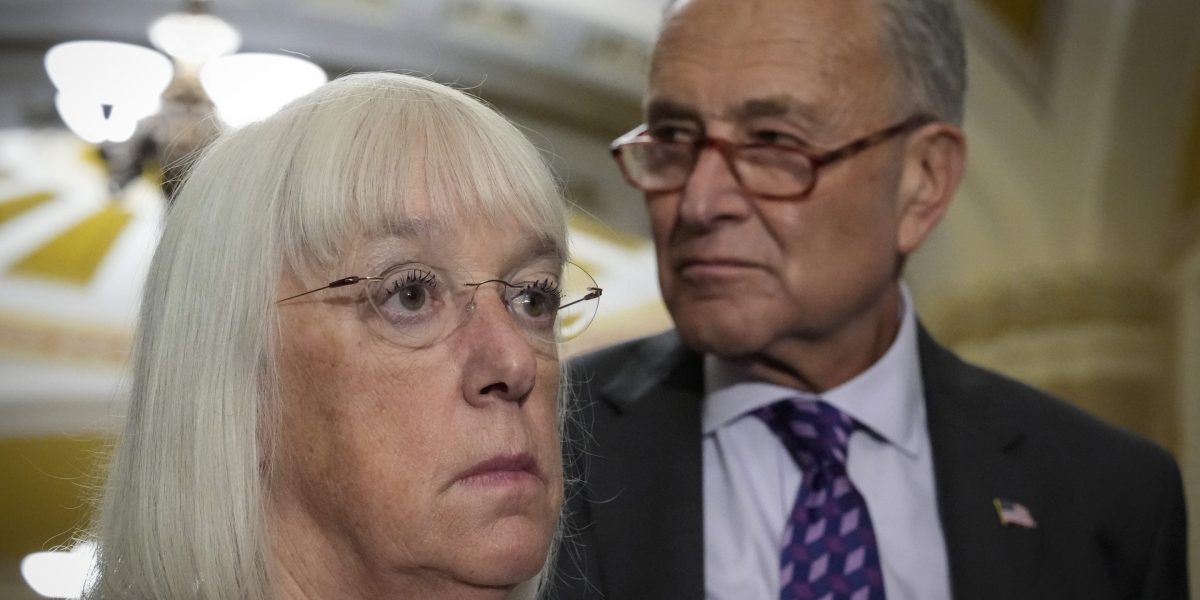
For the record, Chuck Schumer voted against the motion to proceed on a government-reopening measure that is likely to bring his eight-plus years as Senate democratic leader to an end, probably sooner rather than later. But that doesn't seem to matter. Democrats angry over the abrupt abandonment of a Senate filibuster that seemed to be working in the party's favor are blaming Schumer, either because they believe he quietly encouraged the eight Democrats who defected, or because he couldn't keep them in line.
For years, California's late Sen. Dianne Feinstein fought off calls by her fellow Democrats to get rid of the filibuster, a Senate rule used to great effect by Republicans to thwart Democrats' key legislation. A traditionalist who served in Congress in the days when the two parties often worked toward compromises, Feinstein knew that when Democrats were in the Senate minority, they would need that option, too.
Still, confusion reigned inside the Democratic caucus on what kind of package Thune (R-S.D.) would ultimately bring to the floor, making it difficult for Democrats to settle on a final strategy. They insisted they need to know whether Thune will bring a standalone defense bill to the floor - or if he'll pair it with other appropriations packages. "If we have to vote with no clarity about that, I would vote against proceeding to the House defense approps bill," Sen. Chris Coons (D-Del.), an appropriator, told Axios on Wednesday.