#habitat-loss
#habitat-loss
[ follow ]
#conservation #biodiversity #climate-change #endangered-species #population-decline #bees #pollinators


Environment
fromABC7 San Francisco
3 months agoSanta Cruz mountain lions among population officially classified as threatened species
California listed mountain lion populations in Southern California and the Central Coast as threatened to protect isolated groups and mitigate habitat loss and related risks.
fromArchDaily
6 months agoBugs, Bees, and Trees: How to Integrate Biodiversity in the Built Environment
Biodiversity, defined by the World Wide Fund for Nature (WWF) as the different kinds of life found in an area, is in a state of crisis all across the world, with declines in the numbers of organisms and many species declared as at risk of extinction. All types are affected, from plants and fungi to large mammals, and there is a clear link to human activity being the cause.
Environment
fromThe Atlantic
6 months agoCoyote
Once they came down only at dark from the canyons. Now they trot out bold in daylight on sunlit pavement. Still, if you move close, they vanish fast into shadows under the freeway, blocks from the ocean. Up beyond the flammable mansions on over- built lots, where they once burrowed safe, gave birth to ravenous young. Now they watch under scaffolding swinging above sliding foundations. Near the homeless tarps, scattered fires.
Writing
California
fromLos Angeles Times
7 months agoThis Central Valley serpent is California's new state snake. Can recognition save it from extinction?
California officially recognized the giant garter snake to raise public awareness for conservation as the endangered, wetland-dependent species faces habitat loss and climate-driven drought.
fromwww.theguardian.com
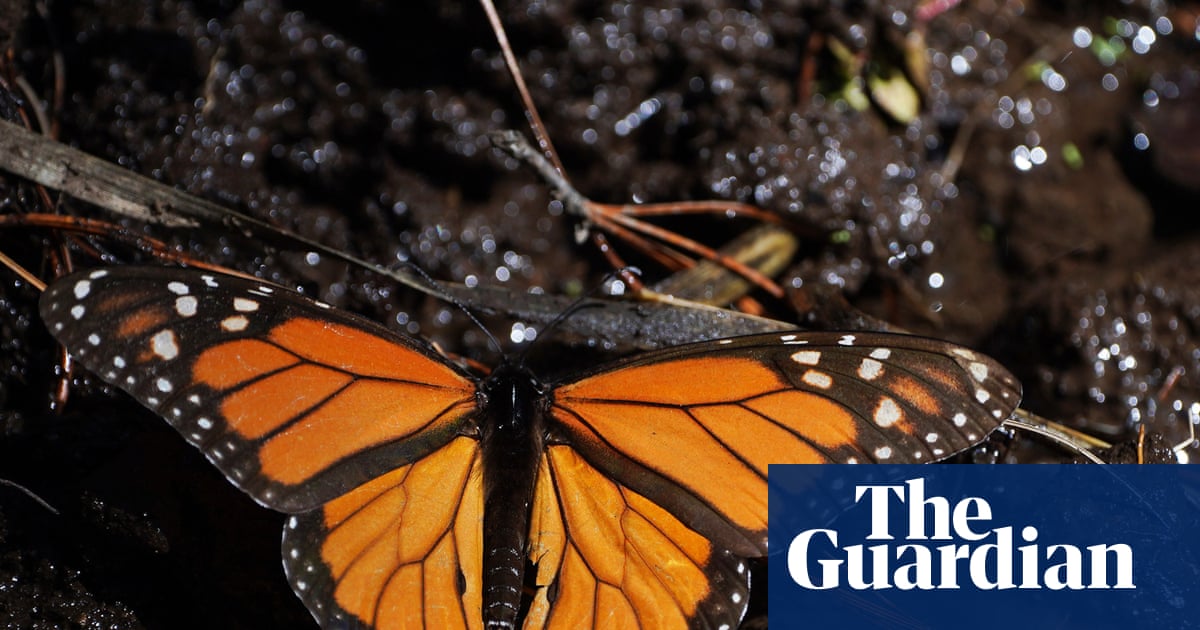
7 months agoFade to grey: as forests are cut down, butterflies are losing their colours
Whether dazzlingly red, deep green or ghostly pale, the richness of a tropical forest provides butterflies with a diversity of habitats in which to communicate, camouflage and reproduce. As humans replace tropical forests with environments such as eucalyptus monocultures, however, those requirements are changing. In a plantation, the ecological backdrop is stripped bare and drab species do better. Being bland like your surroundings becomes an advantage.
Environment

fromThe Atlantic
8 months agoWill Manatees Survive the Trump Administration?
It is home to 4,300 species, including many of the state's remaining manatees, whose large, paddle-tailed bodies graze slowly through the shallows. For decades, the lagoon has also been a destination for Florida's municipal sewage. State law long ago aimed to stop much of the flow from wastewater plants, but in practice continued to allow dumping during heavy rains. Residential septic tanks have kept leaching into the water, too. Over time, that pollution fed algae blooms that choked out the area's seagrass-manatees' main food source.
Environment
fromwww.theguardian.com
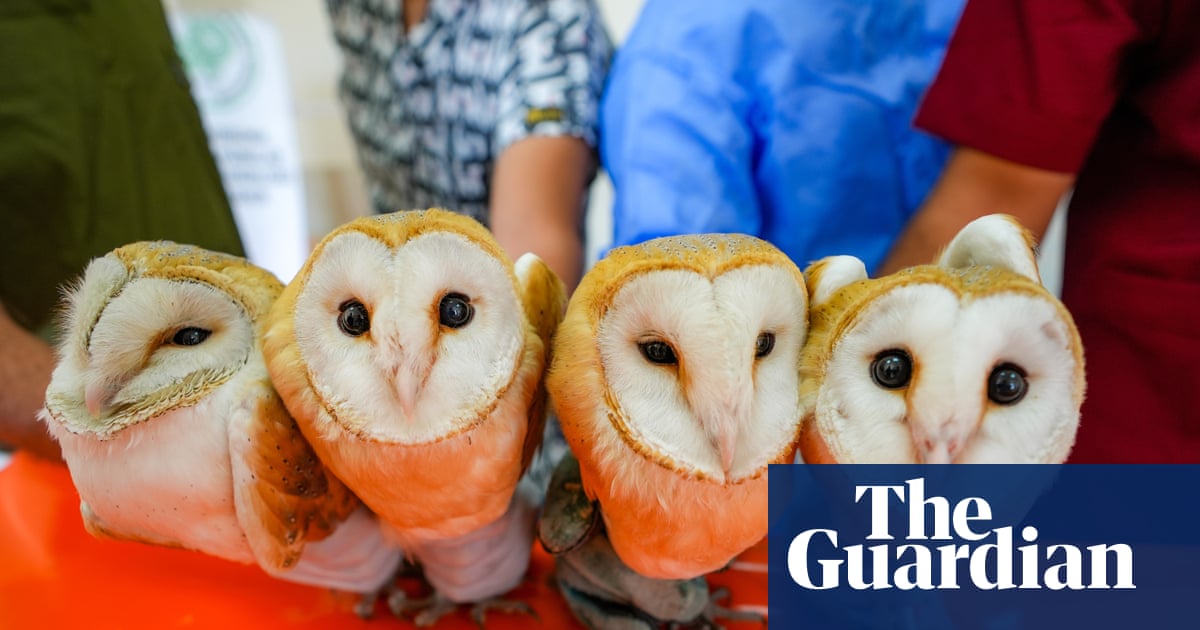
11 months agoExtinction crisis' could see 500 bird species vanish within a century report
The extinction crisis is unprecedented in modern times, with over 500 bird species potentially vanishing due to habitat loss, increasing this number threefold from past centuries.
World news
[ Load more ]