#green-belt
#green-belt
[ follow ]




fromwww.archdaily.com
5 months agoJean Dauger Stadium / Patrick Arotcharen Architecte
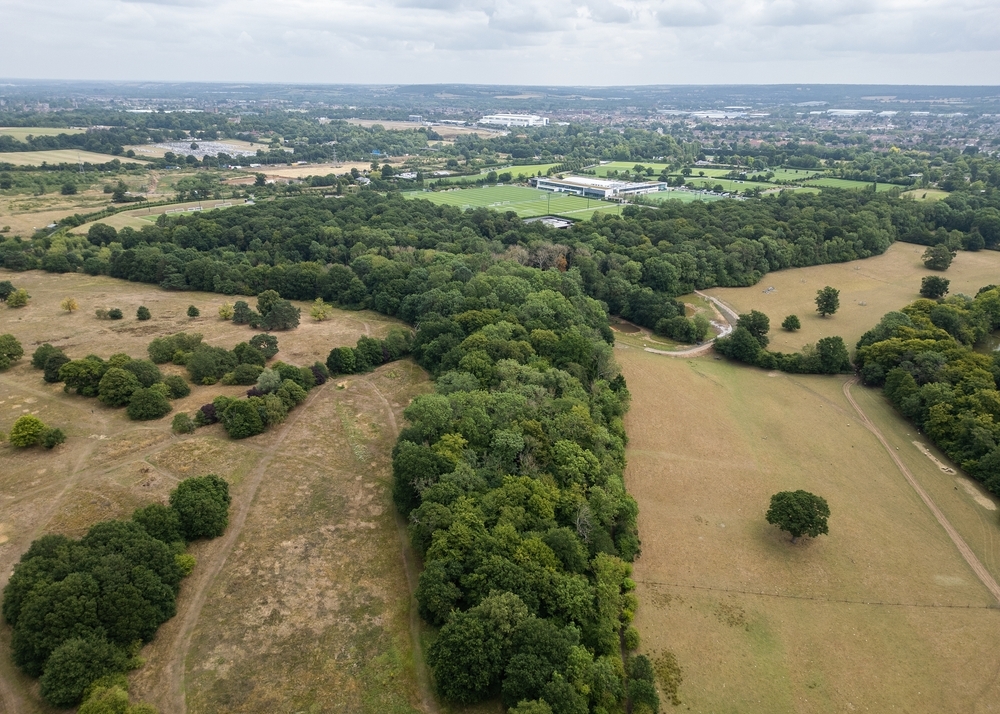
The redevelopment of the Jean Dauger sports complex is an integral element in considering Bayonne's green belt. Reclaimed from ground originally used for military manuvres and occupied by moats at the foot of the ramparts, this green space, with pleasure gardens and open-air sports facilities, has benefited from its historic and cultural status, giving it a sense of significance and protecting it from invasive urban development.
Remodel

fromHomebuilding
8 months agoWhy councils are reclassifying villages as towns to challenge government planning rules
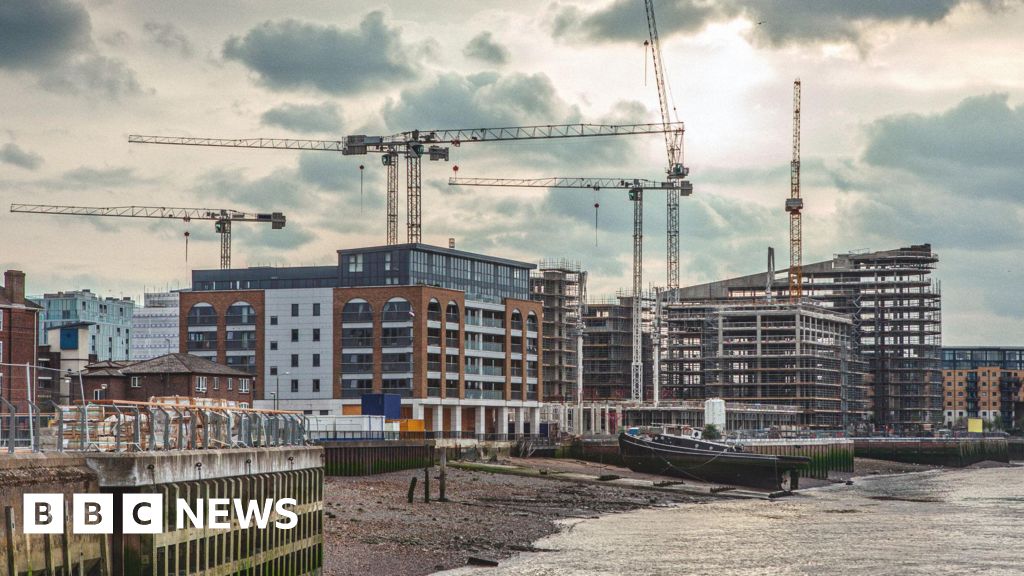
Solihull Council has proposed reclassifying four villages - Knowle, Dorridge, Bentley Heath and Balsall Common - as towns to limit the impact of grey belt planning reforms. By changing how these settlements are officially defined, councils aim to influence where development can take place and protect the character of rural areas. Solihull's Draft Settlement Hierarchy consultation proposes that certain rural settlements be considered towns rather than villages.
UK politics
fromwww.theguardian.com
9 months agoAngela Rayner hit with legal challenge over datacentre on green belt land
The deputy prime minister, Angela Rayner, has been hit with a legal challenge after she overruled a local council to approve a hyperscale datacentre on green belt land by the M25 in Buckinghamshire. Campaigners bringing the action are complaining that no environmental impact assessment was made for the 90MW datacentre, which was approved as part of the Labour government's push to turn the UK into an AI powerhouse
UK politics
London food
fromwww.romfordrecorder.co.uk
11 months agoUpminster car dealer seeks permission to carry out sales - despite already doing so
Aveley Lake Holdings seeks retrospective approval for Whitepost Farm's conversion to a car sales site after operations by London Motor Company began without permission.
[ Load more ]